


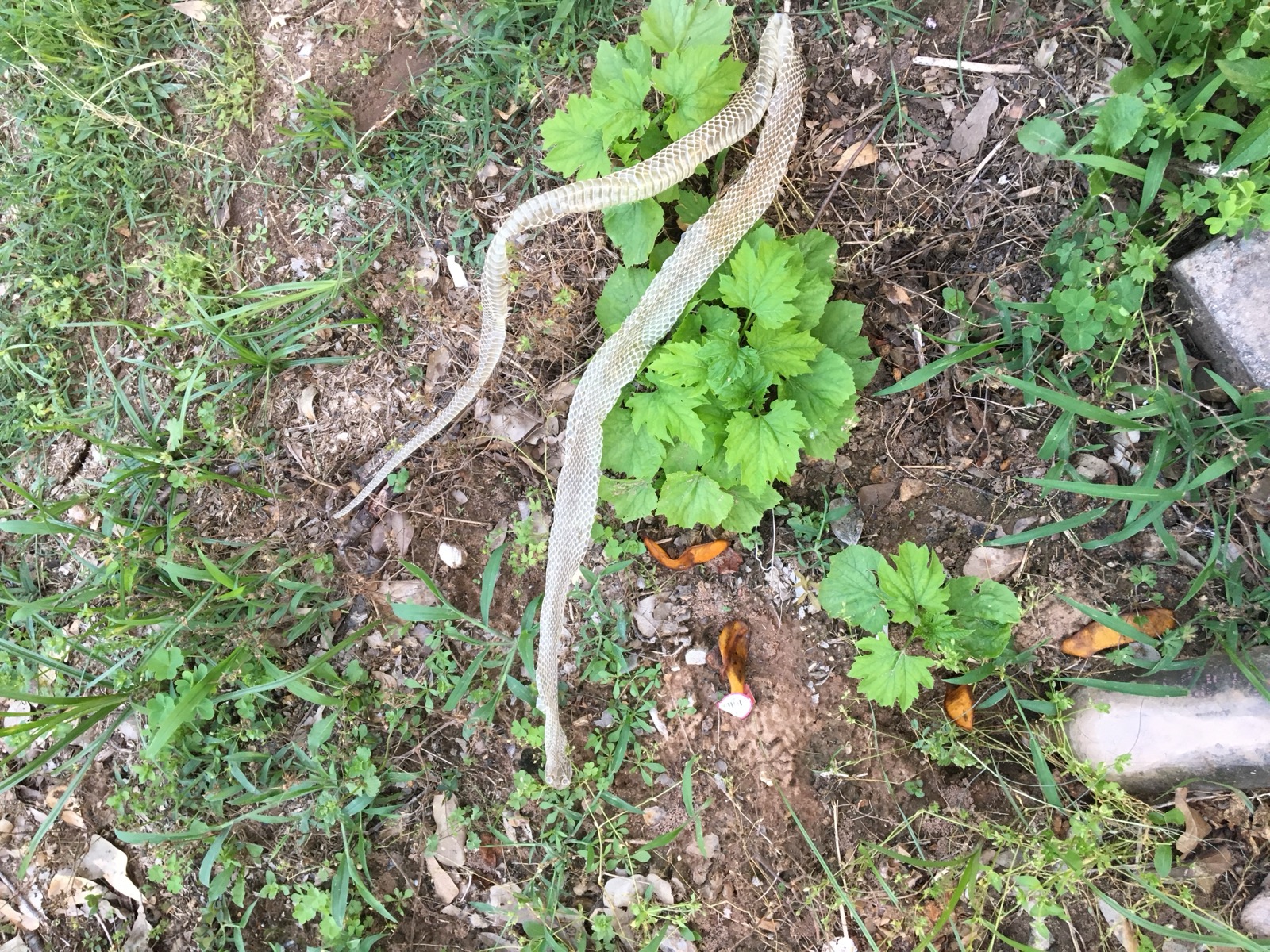
Snakes are covered in scales, which serve as their protective armor, shield against desiccation, and aid in movement. These scales vary significantly in shape, size, and arrangement across different species, but one of the most fundamental distinctions lies in their texture: whether they are smooth or keeled. This seemingly small detail is actually a critical feature that can help in identifying a snake, as it often provides clues about its species and even its typical habitat.
Smooth scales are, as the name suggests, flat and lack any raised ridge down their center. This gives the snake's body a sleek, often glossy, or iridescent appearance, especially when light catches them just right. Many non-venomous snakes, such as king snakes, milk snakes, and some garter snakes, exhibit smooth scales. This smooth texture can be advantageous for snakes that navigate tight spaces, burrow through soil, or glide effortlessly over smooth surfaces, reducing friction and allowing for more fluid movement.
In contrast, keeled scales possess a distinct, raised ridge running lengthwise along the center of each individual scale. This ridge gives the snake a rougher, often duller or matte appearance, and a textured feel. Common examples of snakes with keeled scales include rattlesnakes, copperheads, water snakes, and many rat snakes. The keels are thought to provide several benefits, such as improved grip on rough surfaces like tree bark or rocks, and potentially aiding in camouflage by breaking up the snake's outline and reducing glare.
While the presence or absence of keels is a prominent visual cue, it's important to remember that scale texture is just one of many characteristics used in snake identification. Herpetologists also look at the shape of the head scales, the number of rows of scales around the body, and the pattern of scales on the belly (ventral scales). For instance, the number of dorsal scale rows at midbody can be a precise diagnostic feature, and the presence of a single or divided anal plate (the scale covering the vent) is another key indicator.
A common misconception is that all venomous snakes have keeled scales and all non-venomous snakes have smooth scales. This is a dangerous oversimplification. While many venomous pit vipers, like rattlesnakes and copperheads, do have keeled scales, there are also numerous non-venomous species with keeled scales, such as many water snakes, garter snakes, and rat snakes. Conversely, some highly venomous snakes, like the coral snakes of North America and many cobras in Asia and Africa, possess smooth scales. Relying solely on scale texture to determine if a snake is dangerous can lead to serious mistakes.
Therefore, when attempting to identify a snake, it is crucial to consider a combination of features rather than focusing on a single trait like scale texture. Observe its overall body shape, head shape, pupil shape, coloration, pattern, and behavior, in addition to whether its scales appear smooth or keeled. Each of these elements contributes to a complete picture that can help distinguish between similar-looking species and accurately classify the snake.
Encountering a snake can be startling, but remembering these identification clues can help you stay safe. If you see a snake, always maintain a respectful distance. Take a clear photograph from a safe vantage point without approaching or disturbing the animal. This image can then be used with identification tools like the SerpentID app, which compares markings and features against known local species. If you suspect the snake is venomous, or if you are unsure, contact your local wildlife services for expert assistance. Never attempt to handle or harm a snake.