


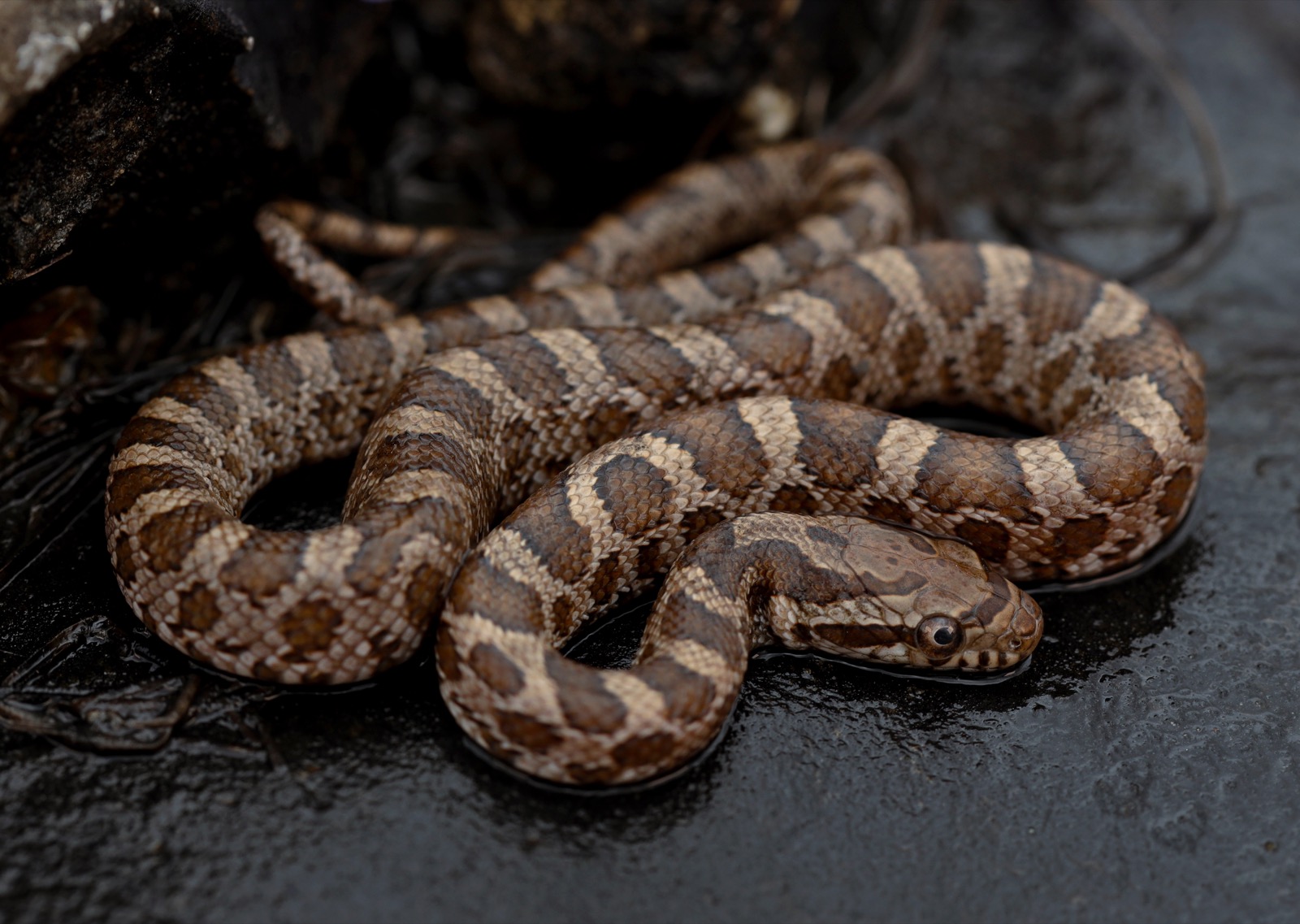
When we observe snakes, it's natural to wonder if they have 'preferences' – certain things they like or dislike, much like humans or our pets. However, for snakes, these aren't emotional choices but rather deeply ingrained, instinctual behaviors that are critical for their survival. Every 'preference' a snake displays, from its choice of basking spot to its diet, is a finely tuned adaptation designed to maximize its chances of finding food, avoiding predators, regulating its body temperature, and successfully reproducing. Understanding these survival-driven 'choices' offers valuable insight into snake behavior and can help us coexist more safely.
One of the most significant areas where snakes exhibit strong preferences is in their habitat. Different species have evolved to thrive in vastly different environments, from arid deserts to dense forests, and even aquatic settings. Within these broader habitats, individual snakes will seek out specific microclimates and cover. This might mean preferring a loose rock pile over open ground for shelter, a damp area under a log for cooling, or a specific tree branch for an arboreal species. These selections are not random; they provide optimal conditions for camouflage, protection from predators, and access to prey, directly influencing the snake's health and longevity.
Dietary preferences are another critical aspect of a snake's life. While some species are generalists, eating a wide variety of prey, many have highly specialized diets. For example, some snakes exclusively hunt rodents, others prefer birds or their eggs, while still others primarily consume amphibians or even other snakes. These preferences often dictate where a snake will spend its time, as it must inhabit areas where its preferred food source is abundant. Even within a single species, a snake's diet might shift as it grows from a small hatchling to a larger adult, reflecting changing nutritional needs and hunting capabilities.
Given that snakes are ectothermic, meaning they rely on external sources to regulate their body temperature, their thermal preferences are paramount. A snake will actively seek out specific temperatures for optimal physiological function. This involves 'basking' in sunny spots to warm up after a cool night or retreating into shaded areas, burrows, or under rocks to cool down on a hot day. These precise temperature 'choices' influence a snake's metabolism, digestion, and activity levels. If a snake is too cold, it becomes sluggish and unable to hunt or escape predators effectively; if it's too hot, it risks overheating and death. Their very survival hinges on finding and maintaining their preferred temperature range.
Beyond habitat and diet, snakes also demonstrate behavioral preferences, such as their preferred times of activity. Some species are primarily diurnal (active during the day), while others are nocturnal (active at night) or crepuscular (active at dawn and dusk). These preferences are often tied to the activity patterns of their prey, as well as the ambient temperature. A snake might also have a preferred ambush spot it returns to repeatedly, or a specific route it takes through its territory. These consistent behaviors, driven by instinct and learned efficiency, are what allow snakes to successfully navigate their world and fulfill their biological needs.
It's important to reiterate that a snake's 'preferences' are not akin to human emotions or desires. They are complex, adaptive strategies honed over millions of years of evolution. A snake doesn't 'like' a certain rock because it's pretty; it 'chooses' that rock because it provides the ideal temperature, humidity, and cover for its survival. By understanding that every aspect of a snake's behavior, including its apparent 'choices,' is fundamentally linked to its survival and well-being, we gain a more accurate and respectful perspective on these fascinating reptiles.
Recognizing these instinctual preferences can be a powerful tool for predicting where snakes might be found and, consequently, how to avoid unexpected encounters. Knowing that a particular species prefers damp, shaded areas, or sunny rock outcroppings, helps you exercise caution in those specific environments. However, even with this knowledge, identifying a snake from a safe distance remains the most important step for safety. If you encounter a snake and need to identify it, use the SerpentID app. Take a clear photo from a safe distance, and let the app help you compare its markings against likely local species. If the snake appears venomous or you are unsure, contact local wildlife services for assistance, and never attempt to approach or handle it.