


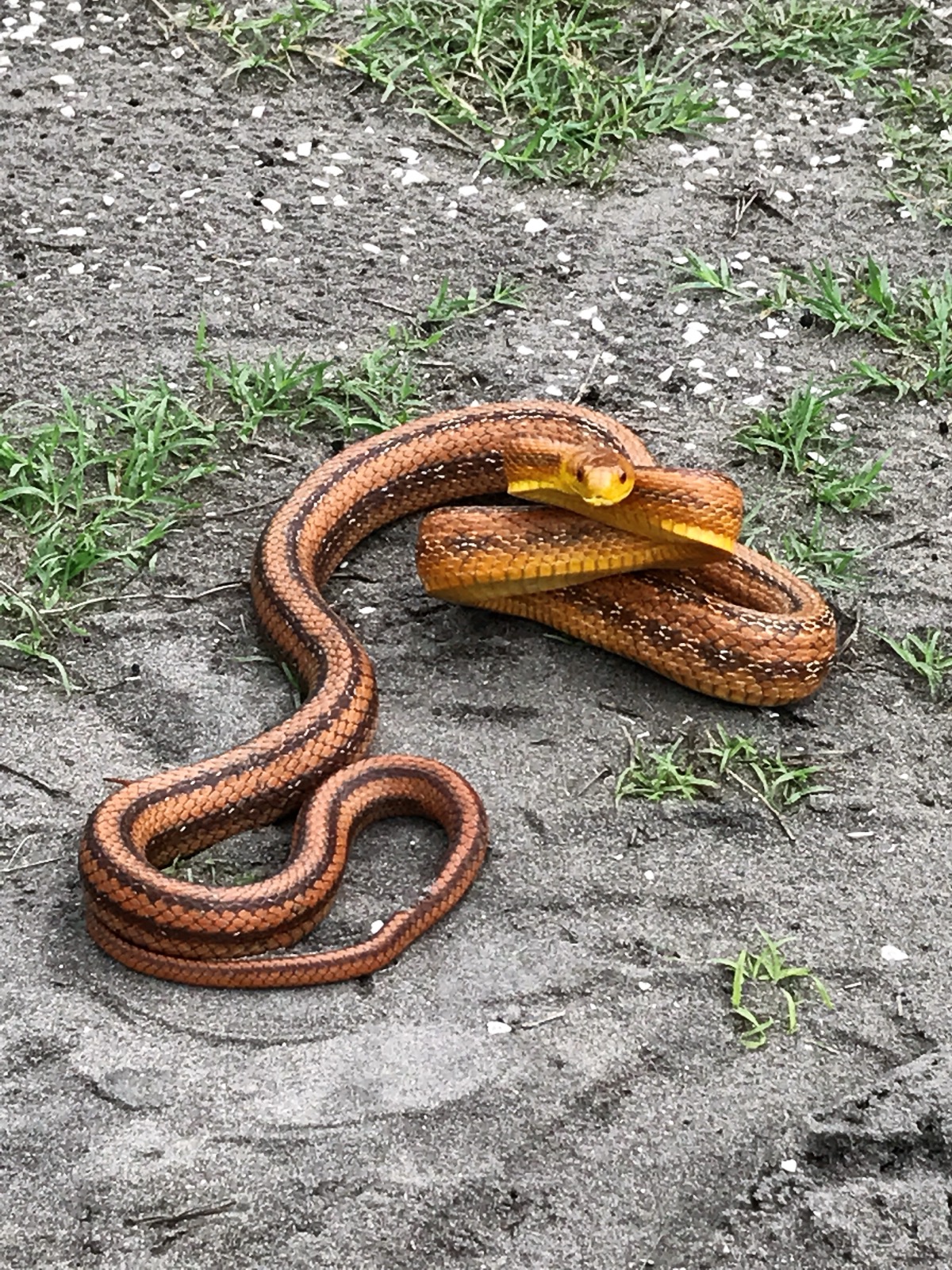
Snakes, like all vertebrates, require oxygen to survive and thus possess lungs for respiration. However, their internal anatomy is uniquely tailored to their slender, legless form. Unlike mammals with two equally developed lungs, most snakes have evolved a highly specialized respiratory system, typically featuring one primary, fully functional lung that can extend for a considerable length of their body. This remarkable adaptation is crucial for enabling effective gas exchange within a body plan that prioritizes agility and the ability to consume prey much wider than themselves.
The predominant lung in most snake species is the right lung, which can be extraordinarily elongated, sometimes spanning up to two-thirds of the snake's body cavity. The left lung, if present, is usually greatly reduced in size, often vestigial, or even completely absent. This evolutionary streamlining minimizes bulk and allows for the efficient packaging of organs within their narrow frame. More ancient snake lineages, such as boas and pythons, sometimes retain two functional, though still unequally sized, lungs, offering a glimpse into the evolutionary path of modern snake respiration.
Breathing for a snake involves a coordinated effort of muscles and ribs, much like in other vertebrates, but without a diaphragm. Instead, snakes utilize intercostal muscles between their ribs to expand and contract their rib cage. This action changes the pressure within the body cavity, drawing air into the lung during inhalation and expelling it during exhalation. The highly elastic nature of their lung tissue allows for significant expansion and contraction, maximizing the volume of air that can be moved with each breath.
Beyond the main lung, some snakes possess additional respiratory structures, such as a "tracheal lung" or "vascular lung." The tracheal lung is a vascularized section of the trachea itself, located just behind the glottis (the opening to the windpipe). This area acts as an accessory respiratory surface, providing a crucial reserve for oxygen absorption, particularly when the main lung might be compressed or partially obstructed, such as during the strenuous process of constricting and swallowing large prey.
One of the most impressive adaptations of a snake's respiratory system is its ability to continue breathing while consuming enormous meals. When a snake swallows prey, its mouth and throat can become completely filled, potentially blocking the airway. To counteract this, snakes can extend their glottis—the entrance to the trachea—forward, protruding it past the sides of the prey item. This allows them to maintain a clear path for air intake and continue breathing throughout the lengthy digestion process, which can sometimes last for hours or even days.
A snake's breathing rate is also influenced by environmental factors and its activity level. As ectotherms, their metabolic rate, and consequently their need for oxygen, directly correlates with ambient temperature. In warmer conditions, snakes are more active, their metabolism speeds up, and they breathe more frequently. Conversely, during cooler periods or brumation, their metabolic rate slows significantly, reducing their oxygen demand and leading to much slower, shallower breaths. This flexibility in respiration helps them conserve energy and survive across a range of conditions.
The intricate and specialized respiratory system of snakes is a testament to their remarkable adaptability, allowing them to thrive in diverse environments and pursue their unique predatory lifestyle. Understanding these biological nuances helps us appreciate these fascinating creatures without fear. If you encounter a snake and are unsure about its species, remember to observe it from a safe distance. Take a clear photograph, if possible, and use the SerpentID app to compare its markings against local species. If you suspect it might be venomous, contact your local wildlife services immediately for expert assistance.