


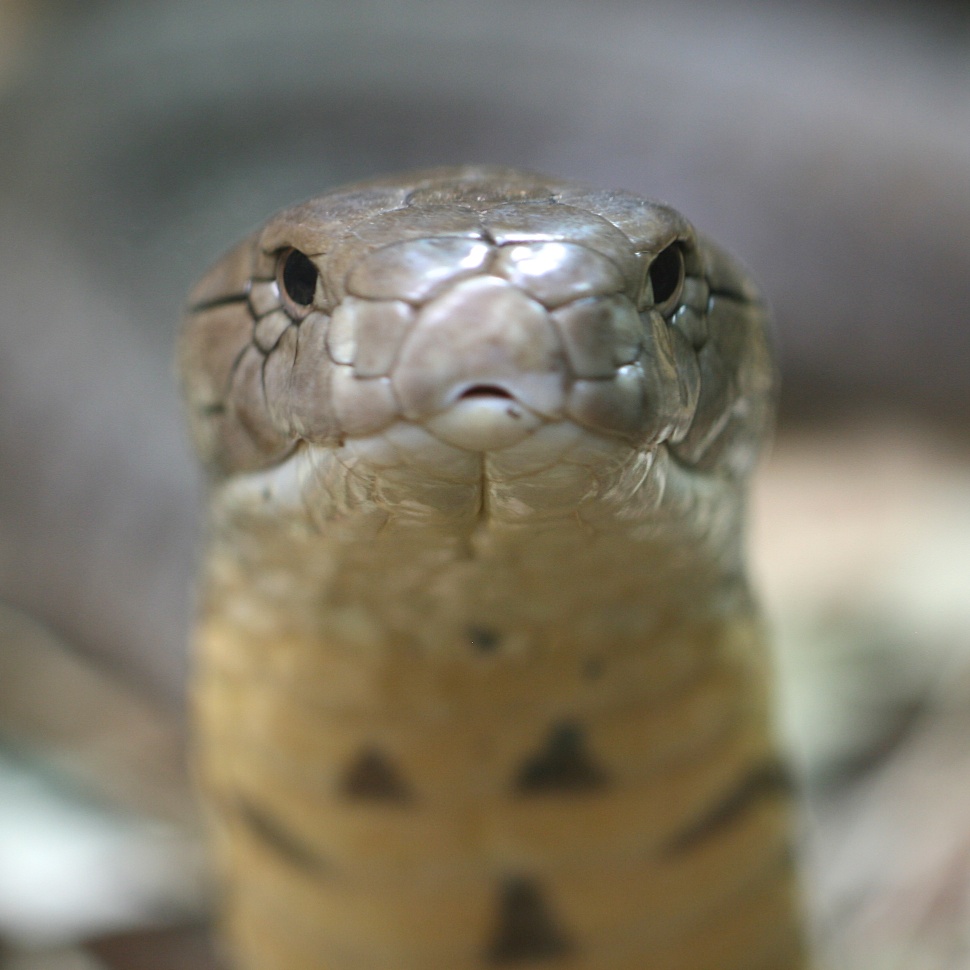
One of the most common misconceptions about snakes is whether they possess hair or fur. The simple answer is no; snakes do not have hair. Unlike mammals, which are characterized by their furry or hairy coats, snakes are reptiles, and their bodies are instead covered in a complex arrangement of scales. These scales are not merely decorative but are integral to a snake's survival, functioning as a protective armor, a tool for locomotion, and a key element in their sensory perception.
Snake scales are fundamentally different from hair. While both hair and scales are primarily composed of keratin, a fibrous structural protein, their formation and function differ significantly. Hair grows from follicles embedded in the skin, providing insulation and sensory input. Scales, on the other hand, are folds of the epidermis (outer skin layer) that are continuous with the skin itself, forming a tough, flexible outer layer. This scaly covering offers vital protection against physical injury, abrasion from rough terrain, and dehydration by minimizing water loss, especially crucial for snakes living in arid environments.
Beyond protection, scales play a critical role in how snakes move. The unique arrangement and texture of ventral (belly) scales provide traction, allowing snakes to grip surfaces and propel themselves forward. Depending on the species and its habitat, scales can be smooth, keeled (ridged), or granular, each adaptation serving a specific purpose. For instance, arboreal (tree-dwelling) snakes often have keeled scales for better grip on branches, while many terrestrial snakes have smooth scales that reduce friction as they glide across the ground.
The diverse patterns and colors found on snake scales also serve essential functions, primarily camouflage. These intricate designs help snakes blend seamlessly into their surroundings, whether it's the leaf litter of a forest floor, the sandy plains of a desert, or the dappled light of a tree canopy. This camouflage is crucial for both predator avoidance and ambush hunting, allowing them to remain hidden until the opportune moment. Some species also exhibit bright, contrasting patterns that serve as a warning to potential predators, a form of Batesian mimicry where harmless snakes imitate venomous ones, or aposematism in genuinely dangerous species.
While snakes don't have hair to sense their environment, their scales are far from insensate. Beneath the tough, keratinized outer layer, the skin is rich in nerve endings, allowing snakes to perceive touch, temperature changes, and vibrations from the ground. This tactile sensitivity is vital for navigating their surroundings, detecting prey, and sensing potential threats. The entire body acts as a vast sensory organ, providing continuous feedback about their immediate environment.
The process of shedding their skin, known as ecdysis, is also directly related to their scales. As a snake grows, its scales do not grow with it. Instead, the snake must periodically shed its old, tight outer layer to accommodate its increasing size and to replace worn or damaged scales. This process typically leaves behind a perfect, translucent 'ghost' of its former self, a testament to the continuous regeneration and maintenance of their scaly integument.
Understanding that snakes are covered in scales, not hair, is a fundamental step in appreciating their unique biology and their place in the natural world. This scaly armor is a marvel of evolutionary adaptation, allowing them to thrive in diverse habitats across the globe. When you encounter a snake, remember to observe its scales and patterns from a safe distance. If you need help identifying a snake, a clear photograph can allow SerpentID to compare its unique markings against local species, helping you understand whether it's a harmless neighbor or a venomous species requiring a call to local wildlife services.