


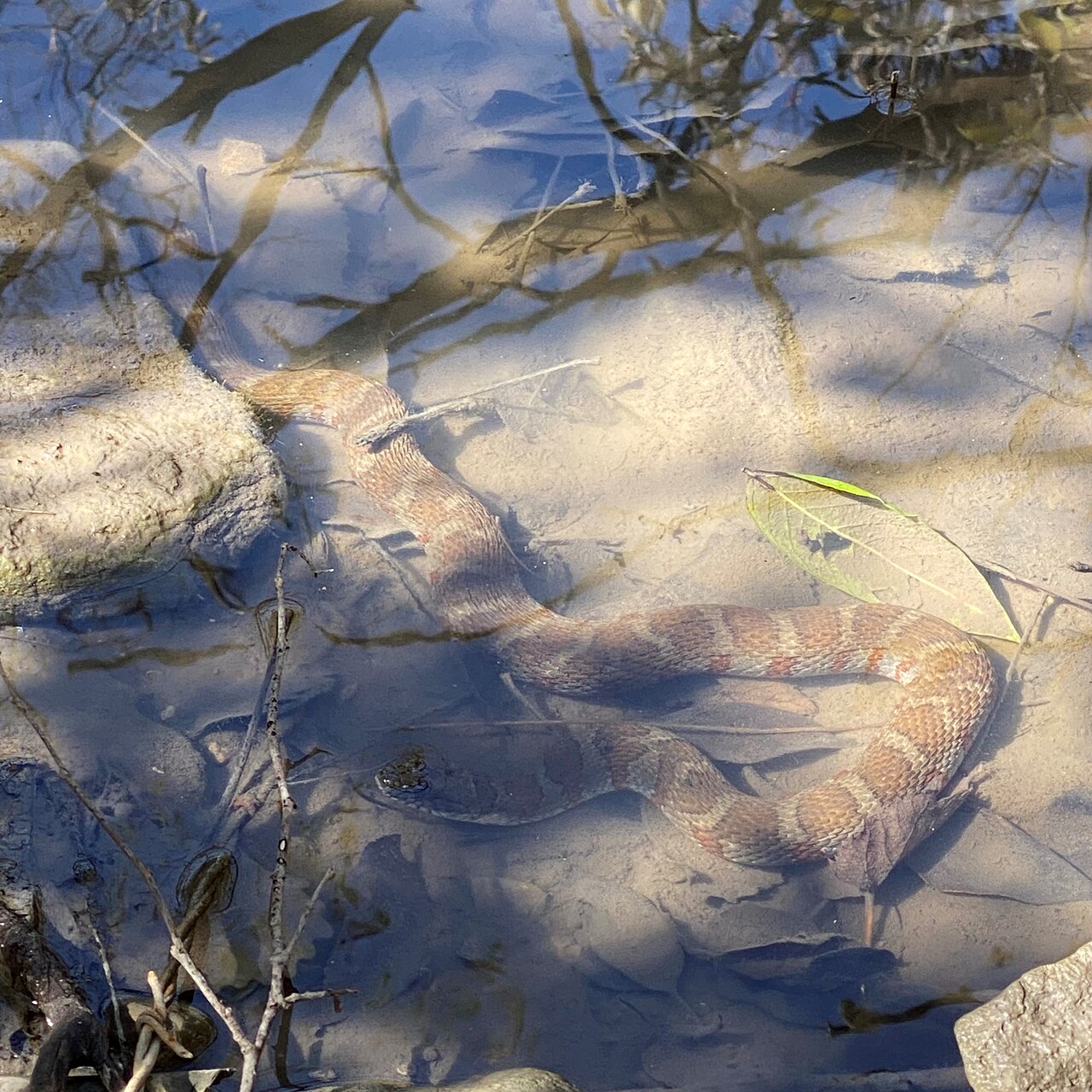
A common misconception arises when people observe snakes in water, leading some to wonder if these slithering creatures possess gills like fish. The simple truth is that snakes, being reptiles, do not have gills. Regardless of whether a snake is a terrestrial species that rarely encounters water or a highly aquatic one that spends most of its life submerged, all snakes are obligate air-breathers. This means they rely on lungs to extract oxygen from the atmosphere, a fundamental characteristic that distinguishes them from aquatic animals like fish, which use gills to filter oxygen from water.
For snakes that primarily inhabit land, their breathing mechanism is quite straightforward and similar to many other terrestrial vertebrates. They inhale air through their nostrils, which travels down a trachea to a pair of lungs. Unlike mammals, snakes lack a diaphragm, instead using their strong rib muscles to expand and contract their body cavity, drawing air in and pushing it out. This efficient system allows them to take in sufficient oxygen for their metabolic needs, supporting their active lifestyles of hunting, moving, and digesting.
Aquatic snake species, such as water snakes, sea snakes, and anacondas, have evolved remarkable adaptations to thrive in their watery environments, but none of these include gills. Instead, they have developed the ability to hold their breath for extended periods, often aided by a larger, elongated lung that extends far down their body. Some aquatic snakes can even absorb a small amount of oxygen through their skin or the lining of their mouths when submerged, but this is supplementary and not enough to sustain them indefinitely. They must always return to the surface to take a fresh gulp of air.
The idea that snakes might have gills likely stems from seeing them move gracefully and spend significant time underwater. Many people are familiar with fish and amphibians that breathe water, and it's easy to assume that any animal that seems at home in an aquatic environment might share similar respiratory adaptations. However, this is a clear example of how convergent evolution can lead to similar lifestyles without identical biological mechanisms. Snakes, despite their aquatic prowess, remain firmly rooted in their reptilian heritage as air-breathers.
The internal anatomy of a snake typically features a single functional lung, often greatly elongated to fit within its slender body. While most snakes are born with two lungs, one is usually much smaller or even vestigial, with the right lung becoming the primary respiratory organ. This elongated lung not only provides a large surface area for gas exchange but also acts as a hydrostatic organ in aquatic species, allowing them to adjust their buoyancy in the water. This unique lung structure is a testament to their evolutionary journey, perfectly adapted for their legless form and diverse habitats.
Understanding that snakes breathe air with lungs, even in aquatic settings, highlights their resilience and adaptability. Just like whales, dolphins, and sea turtles—other air-breathing animals that live in water—snakes demonstrate that a life in the aquatic realm does not necessitate gills. Their ability to hold their breath, coupled with their streamlined bodies and efficient lung systems, allows them to hunt, hide, and navigate underwater effectively, always remembering to periodically return to the surface for that vital breath of air.
If you encounter a snake, whether on land or in water, observing its breathing patterns or other behaviors from a safe distance can offer valuable insights. Remember that even water snakes, which are often harmless, can be mistaken for venomous species. Instead of approaching for a closer look, take a clear photograph from a safe distance. The SerpentID app can then help you identify the species by comparing its markings against local species, ensuring you can appreciate these fascinating creatures safely and responsibly. If the snake is identified as venomous, contact local wildlife services for assistance.