


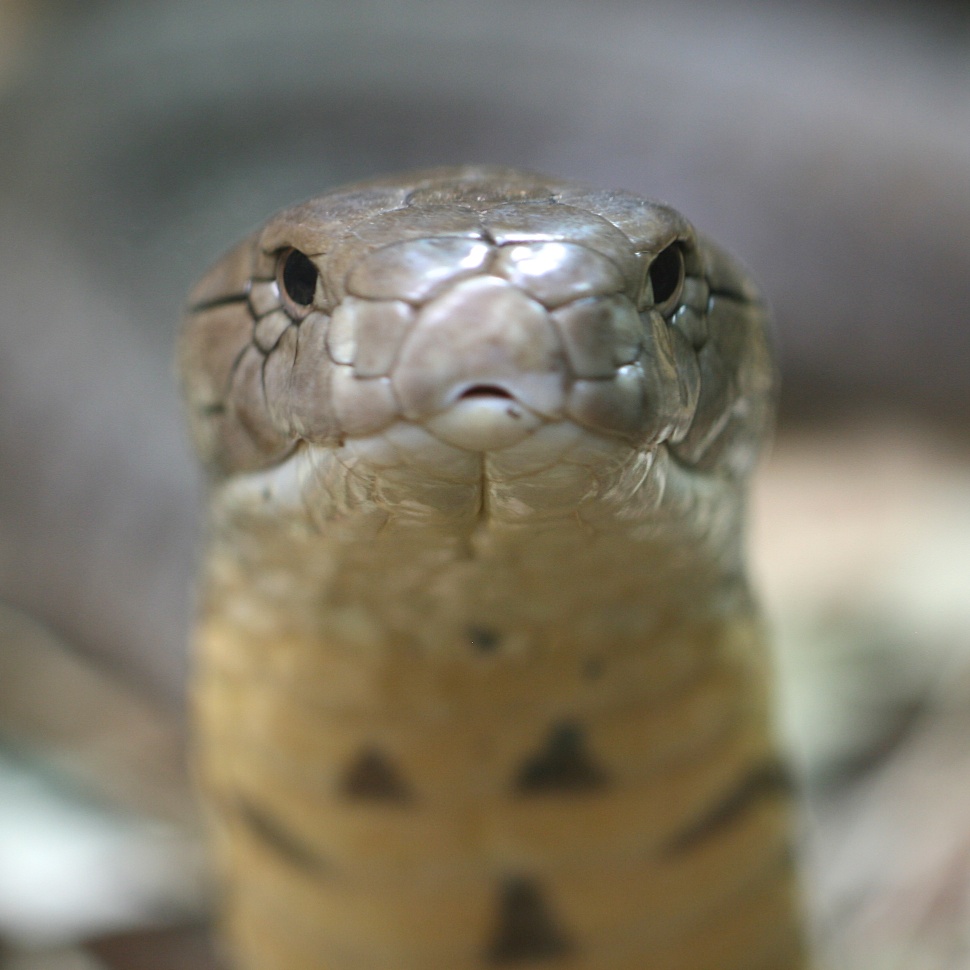
It is a common human tendency to project our own complex emotions onto animals, and snakes are no exception. We might observe a snake basking peacefully and assume it feels content, or witness a defensive display and interpret it as anger. However, from a scientific perspective, snakes do not possess the nuanced emotional capacities that humans or even many mammals do. Their internal states are driven by basic needs and instinctual responses, not the intricate feelings of joy, sadness, or affection.
The biological basis for this lies in the structure of the reptilian brain. While highly effective for their survival, snake brains lack the extensively developed limbic systems found in mammals, which are strongly associated with complex emotional processing. Instead, a snake's reactions are primarily governed by more primitive brain regions, such as the brainstem and basal ganglia. These structures efficiently manage essential survival functions like feeding, reproduction, and defense, ensuring the snake responds appropriately to its environment without the need for intricate emotional deliberation.
What we often perceive as 'emotions' in snakes are, in fact, highly efficient, hard-wired behavioral responses to specific stimuli. For instance, what looks like anger is almost always a defensive reaction to a perceived threat, designed to deter a potential predator. A snake appearing calm and content might simply be optimizing its body temperature while basking in the sun, a vital physiological process. Even apparent curiosity is often an investigatory drive related to hunting, exploring new territory for resources, or seeking shelter.
While snakes do not feel 'sadness' or 'love,' they certainly experience powerful instinctual drives such as stress and fear. These are crucial motivators for their behavior and are directly linked to survival. When a snake perceives danger, it will exhibit clear signs of alarm or discomfort, which can include fleeing rapidly, coiling defensively, hissing loudly, or striking if cornered. These are not emotional choices, but rather automatic physiological responses triggered by the brain to protect itself from harm.
Projecting human emotions onto snakes can unfortunately lead to significant misunderstandings of their behavior and, in some cases, potentially dangerous interactions. Believing a snake is 'friendly' or 'grateful' might encourage people to approach or handle a wild snake, increasing the risk of a defensive bite. Conversely, misinterpreting a snake's natural defensive displays as 'malicious' can lead to unnecessary fear or even harm to the snake, which is often simply trying to protect itself.
Understanding that snakes operate primarily on instinct and physiological drives allows us to appreciate their incredible adaptations for survival in the wild. It helps us to predict their behavior more accurately based on environmental cues, their fundamental needs, and their natural history. This scientific perspective fosters a safer and more respectful coexistence, recognizing snakes as fascinating, instinct-driven reptiles integral to their ecosystems.
If you encounter a snake and are unsure of its intentions or species, the safest approach is always to maintain a respectful distance. Take a photograph from afar, if possible, and use the SerpentID app to compare its markings against likely local species. If you suspect the snake is venomous, or if you are concerned for its safety or your own, contact local wildlife services for expert assistance, rather than attempting to interact with it yourself.