


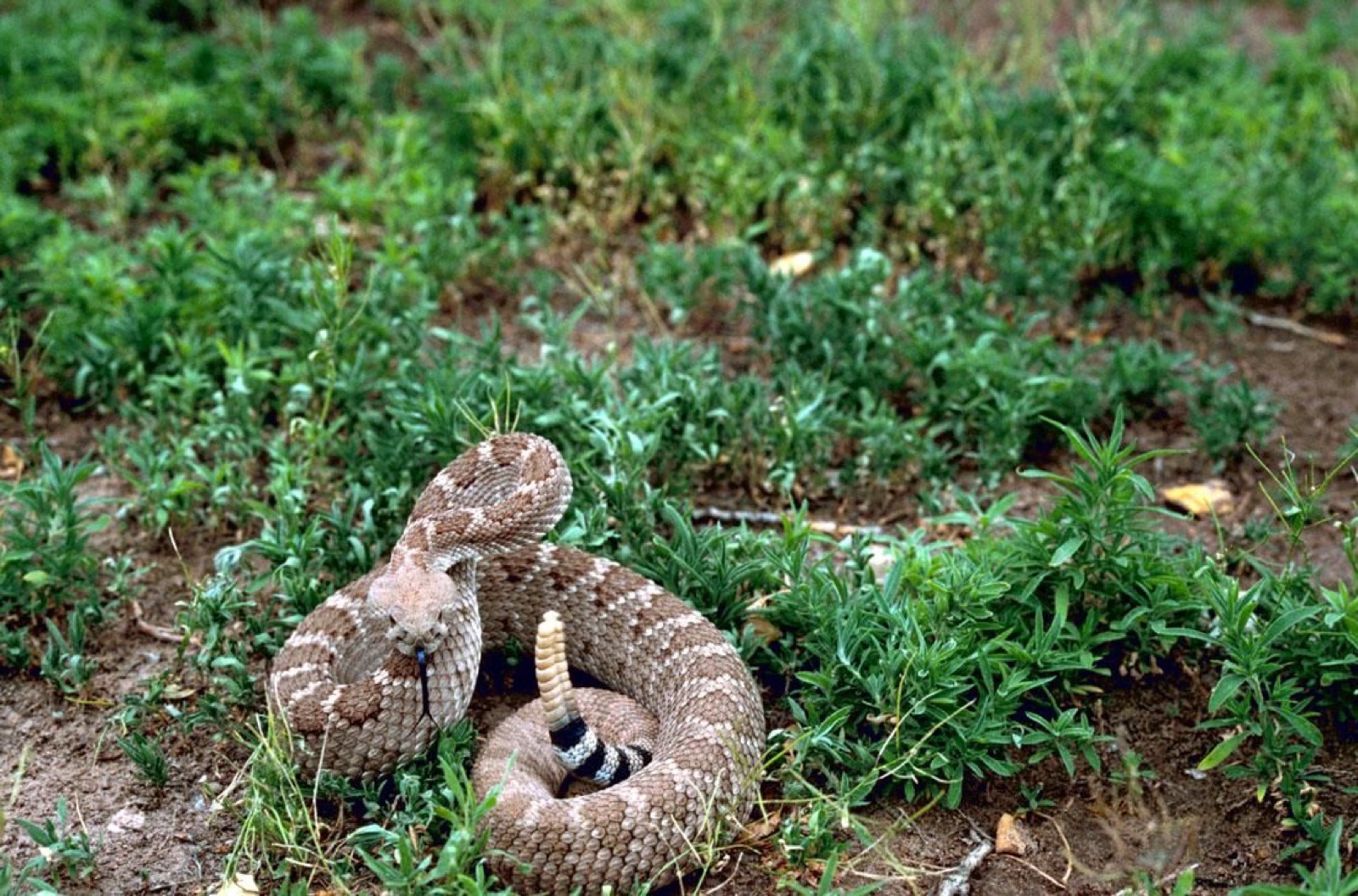
When observing a snake, it's common for people to anthropomorphize their features, sometimes asking if snakes have eyebrows. The straightforward answer is no, snakes do not have eyebrows in the mammalian sense, nor do they possess the intricate facial muscles that allow humans and some other animals to convey expressions. Any perceived 'expression' is purely an optical illusion created by the specific arrangement of scales on their head, a fascinating aspect of their unique anatomy that serves practical purposes rather than emotional ones.
The scales responsible for this eyebrow-like appearance are called supraocular scales. These are specialized scales located directly above each eye, forming part of the larger plate-like scales, or scutes, that cover a snake's head. The size, shape, and prominence of these supraocular scales vary significantly between different snake species. In some, they are barely distinguishable from surrounding head scales, while in others, they are remarkably large and pronounced.
The primary function of these supraocular scales is protection. They act as a bony shield over the snake's eyes, safeguarding them from physical injury as the snake moves through dense vegetation, burrows underground, or navigates rocky terrain. This protective role is crucial for an animal that relies heavily on its senses to navigate and hunt. Beyond protection, the shape of these scales also contributes to the snake's overall head morphology, which can be an important factor in camouflage and species recognition.
In many viper species, such as rattlesnakes and copperheads, the supraocular scales are particularly prominent and often raised or angled. This creates a distinct ridge above the eye, which can cast a shadow over the eye itself. This structural feature is what gives these snakes their characteristic 'frowning,' 'stern,' or 'watchful' appearance. It’s important to remember that this look is a result of their physical structure, evolved for survival, and does not reflect any internal emotional state like anger or alertness in the human sense.
The diversity in supraocular scale arrangement is quite remarkable. For instance, many non-venomous colubrid snakes, like corn snakes or garter snakes, typically have smoother, more rounded heads with less pronounced supraocular scales, giving them a less 'browed' look. In contrast, the heavily keeled supraoculars of a desert viper can create a very pronounced brow ridge, enhancing their ability to blend into their environment while also giving them a distinctive, often intimidating, visual profile. These differences are often key identification markers for experienced observers.
Attributing human emotions or intentions to a snake based on its facial appearance, such as assuming a snake is angry because it looks like it's frowning, is a form of anthropomorphism. This can be misleading and potentially dangerous, as it can cause people to misinterpret a snake's behavior. Snakes operate on instinct and respond to their environment based on threats, prey, and temperature, not complex emotions. Their 'expressions' are simply static anatomical features.
When encountering a snake, it's always safest to observe from a distance and avoid making assumptions about its temperament based on its appearance. If you need to identify a snake, take a clear photograph from a safe distance. The SerpentID app can then analyze its markings and features, including the details of its head scales, to help you determine the species. If you suspect a snake is venomous, contact your local wildlife services for assistance, and never attempt to approach, handle, or kill it.