


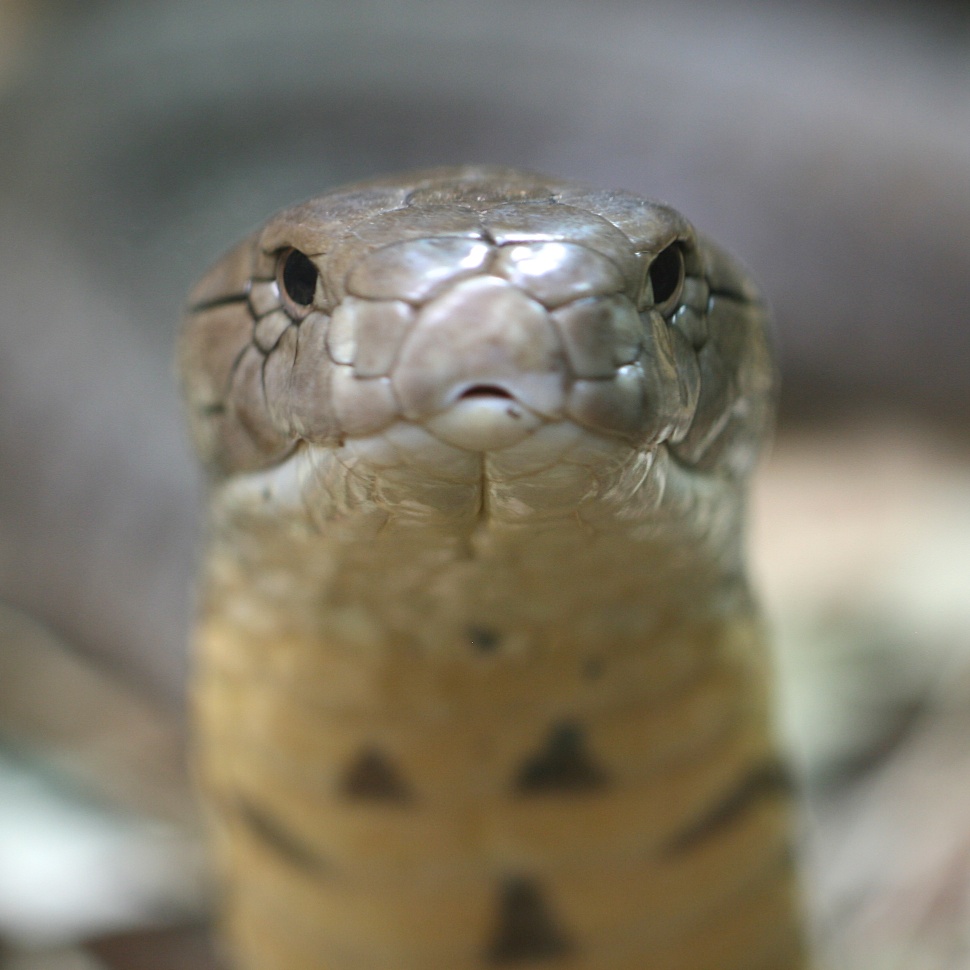
The question of whether snakes have brains, or indeed, intelligence, often stems from a human-centric view of cognition. While snakes certainly do not possess the large, complex cerebral cortices found in mammals, they are equipped with functional brains perfectly suited to their existence. These reptilian brains, though smaller and structured differently, are sophisticated enough to manage all essential life functions, from basic reflexes and sensory processing to more complex behaviors like hunting, mating, and avoiding predators. Dismissing snakes as 'dumb' or purely instinct-driven overlooks the nuanced ways they interact with and learn from their environment.
One clear indicator of snake intelligence is their capacity for learning. Scientific studies have shown that snakes can exhibit both classical and operant conditioning. This means they can learn to associate certain stimuli with outcomes, much like Pavlov's dogs, or modify their behavior based on consequences. For instance, a snake might learn to avoid a particular area where it encountered a threat or remember a successful hunting spot. This adaptive learning is crucial for survival, allowing them to respond to changing environmental conditions and improve their efficiency in finding food and shelter.
Spatial memory is another impressive cognitive ability snakes demonstrate. They are adept at remembering the layout of their territory, including the locations of their burrows, preferred basking sites, and ambush points. Some species show strong homing instincts, capable of returning to a specific den site even after being displaced a considerable distance. This sophisticated navigation system relies on a combination of visual cues, scent trails, and perhaps even geomagnetic senses, all processed and stored within their brain to create an internal map of their surroundings.
Furthermore, the unique sensory suite of snakes contributes significantly to their perceived 'intelligence.' Their highly developed chemoreception, facilitated by tongue flicking and the vomeronasal organ, allows them to 'taste' the air and detect prey, predators, and mates with incredible precision. Pit vipers possess specialized heat-sensing pits that enable them to 'see' the infrared signatures of warm-blooded prey in total darkness. These specialized senses, far beyond human capabilities, provide snakes with a rich, detailed understanding of their world, guiding their behaviors in ways that might appear instinctual but are, in fact, informed by complex sensory processing.
While snakes do not engage in tool use or abstract reasoning, they demonstrate problem-solving within the context of their daily lives. This can involve finding the most efficient path through dense vegetation, locating a small crevice for escape, or navigating complex burrows. Their ability to adapt their hunting strategies to different prey types or environmental conditions also points to a degree of behavioral flexibility that goes beyond simple reflex. Their 'intelligence' is thus highly practical and geared towards immediate survival and reproduction, making them incredibly effective at what they do.
It is important to remember that most snake species are solitary creatures, and their social interactions are generally limited to mating or communal denning for brumation (a form of hibernation). Therefore, they do not develop complex social intelligence or emotional bonds in the way many mammals do. Their cognitive strengths lie in individual survival, mastering their environment, and adapting to challenges. Understanding these abilities helps us appreciate snakes not as simple, mindless reptiles, but as fascinating creatures with their own unique form of intelligence.
Encountering a snake in your yard or in the wild is a rare opportunity to observe these remarkable animals. While their intelligence is geared towards survival, it's crucial for human safety to maintain a respectful distance. If you encounter a snake and need to know more about it, take a clear photograph from a safe distance. The SerpentID app can then help you identify the species by comparing its markings against local species, providing valuable information about whether it's venomous. If you suspect a venomous snake or are concerned for your safety, always contact local wildlife services for assistance rather than attempting to approach or handle the animal yourself.