


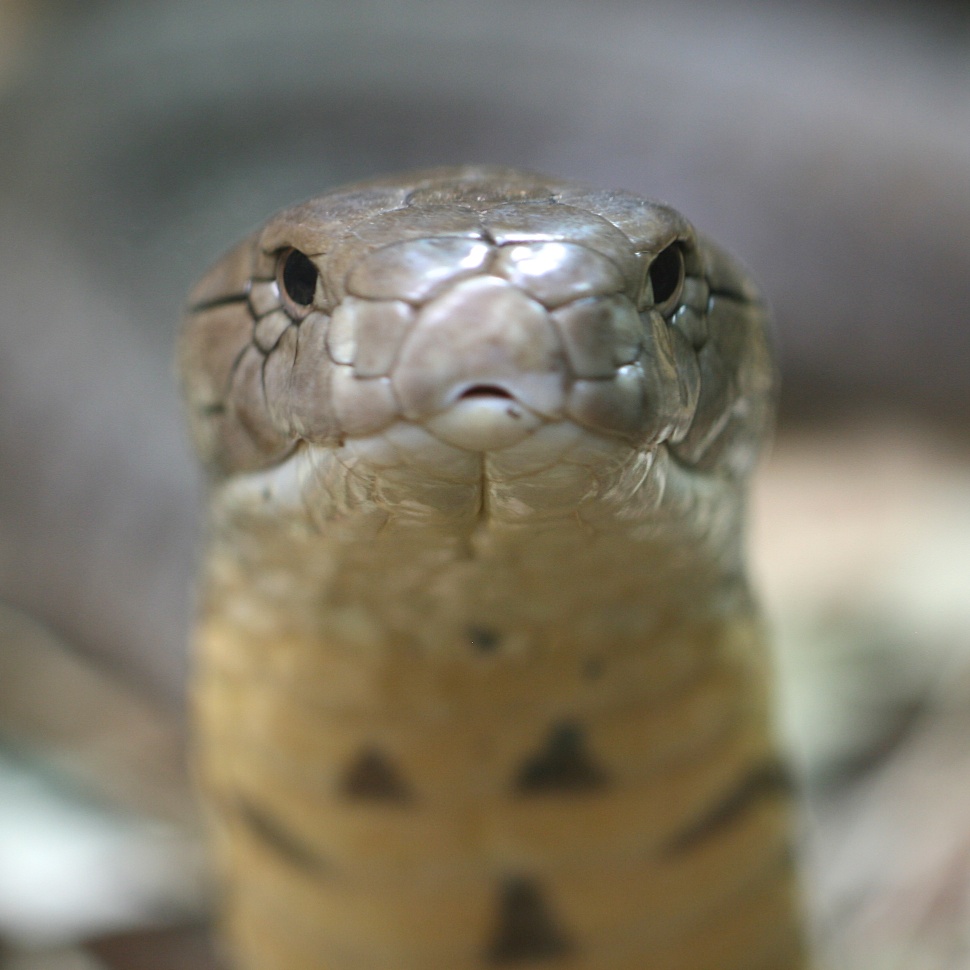
When humans think of blood, we immediately recall blood types like A, B, AB, and O, defined by specific carbohydrate antigens on the surface of our red blood cells. In human medicine, matching these blood groups is vital to prevent fatal immune reactions during blood transfusions. Snakes, however, operate under an entirely different biological system. While individual snakes do possess unique surface proteins and antibodies on their blood cells, herpetologists and veterinary specialists have not identified a standardized blood typing system comparable to that of mammals.
The fundamental structure of snake blood itself sets it apart from mammalian blood in several key ways. Human red blood cells are mature cells that lack a nucleus, giving them a distinct biconcave shape optimized for carrying oxygen. Snake red blood cells, by contrast, are larger, oval-shaped, and retain their cell nuclei throughout their lifespan. Because snake red blood cells are nucleated, they contain their own active genetic material and metabolic machinery, allowing them to function differently under conditions of low oxygen or extreme environmental temperature changes.
While snakes lack defined blood types, veterinary scientists occasionally perform blood transfusions on severely anemic or injured reptiles. In these clinical settings, blood compatibility is determined through cross-matching—mixing a small sample of donor red blood cells with recipient plasma to watch for clotting or clumping—rather than matching predetermined blood groups. Transfusions between snakes of the same species are generally successful on the first attempt because wild reptiles typically do not possess pre-existing natural antibodies against other individuals of their kind.
Snake blood also performs unique metabolic roles that allow these cold-blooded animals to survive long periods of fasting and sudden, heavy meals. After a python or rat snake consumes a large prey item, its metabolism surges dramatically, causing rapid shifts in blood gas concentration, nutrient transport, and organ size. The proteins, enzymes, and immune factors circulating in a snake's bloodstream are finely tuned to handle massive fluctuations in blood pressure and nutrient levels that would be catastrophic to a mammalian circulatory system.
Understanding the hidden biology of snakes helps replace ancient myths with factual appreciation for these resilient reptiles. Whether a snake is basking on a sunny log or resting quietly in leaf litter, its internal systems are adapted for silent survival. If you encounter a snake in your yard or on a trail, the safest approach is always to give it plenty of space. Taking a clear photo from a safe distance allows SerpentID to help identify the species by comparing its pattern and scale characteristics, helping you quickly confirm whether the visitor is a harmless rodent controller or a venomous species that should be relocated by professional wildlife services.