


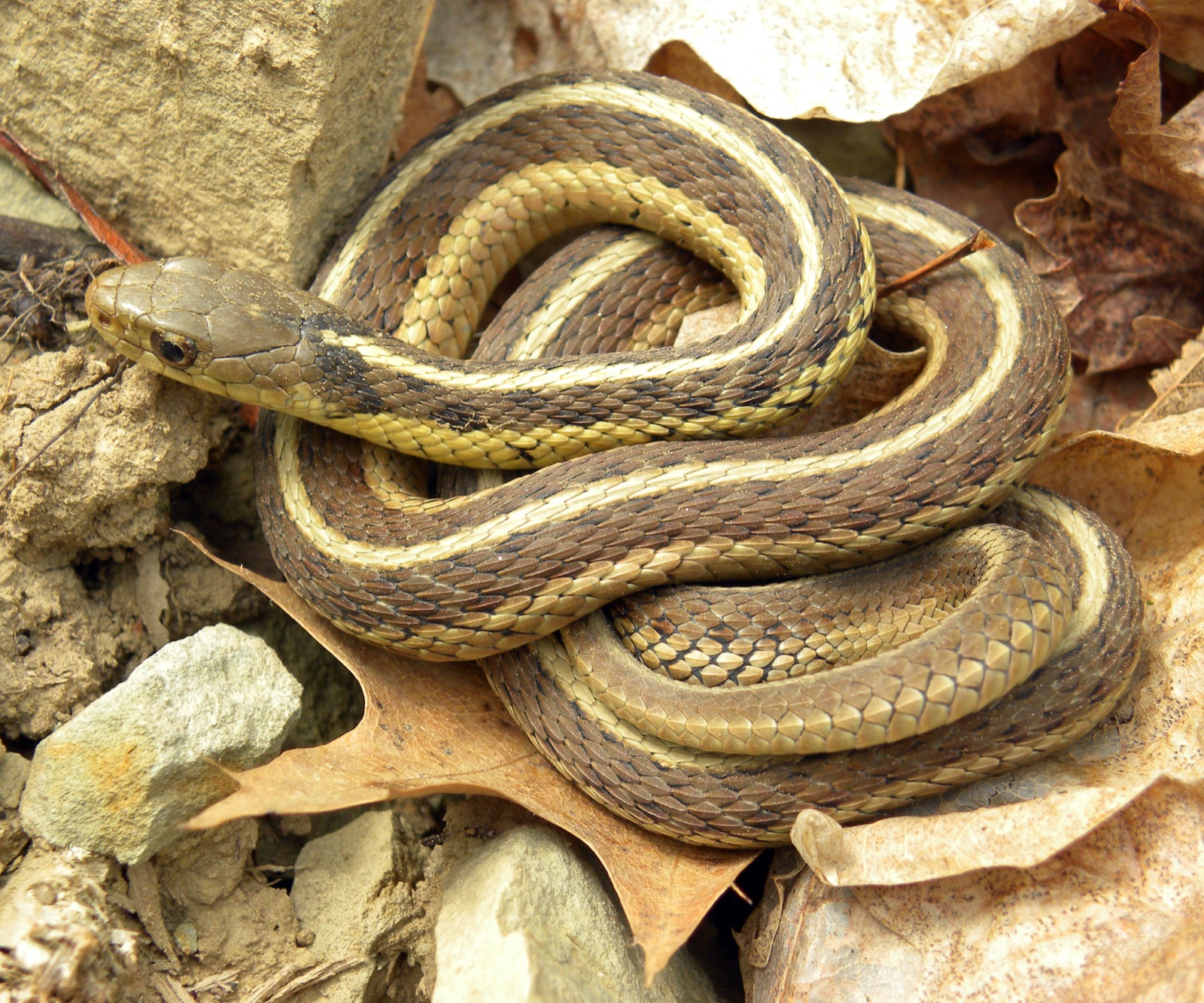
The question of whether snakes have belly buttons is a common one, often stemming from our human-centric understanding of birth and anatomy. For mammals, a belly button is a familiar scar, the remnant of the umbilical cord that connected a fetus to its mother's placenta, providing nutrients and oxygen during gestation. However, snakes, as reptiles, have a fundamentally different reproductive biology, which means they do not possess a belly button in this mammalian sense.
To understand why snakes lack this feature, it's important to first consider the role of the umbilical cord and placenta in mammals. The placenta is a temporary organ that develops in the uterus, facilitating the exchange of nutrients, waste, and gases between the mother and the developing fetus. The umbilical cord is the lifeline connecting the two. After birth, the cord is severed, and the remaining stump eventually heals, leaving behind the navel or belly button we recognize.
The majority of snake species are oviparous, meaning they lay eggs. In these cases, the developing snake embryo inside the egg receives all its nourishment from the yolk sac, a rich store of nutrients within the egg itself. There is no direct connection to the mother's bloodstream via a placenta or umbilical cord. As the embryo grows, it gradually absorbs the yolk, and by the time it hatches, the yolk sac has been fully internalized. There is simply no cord to sever, and therefore, no belly button is formed.
Even among live-bearing snakes, which include viviparous species (where embryos develop inside the mother and receive some nourishment from her) and ovoviviparous species (where eggs hatch internally, and live young are born), the process is distinct from mammalian birth. While the young develop inside the mother, they do not form a true placenta and umbilical cord system like mammals. Nutrient exchange, if it occurs from the mother, happens through different mechanisms, such as thin membranes that allow absorption from the maternal oviduct wall, rather than a direct vascular connection through an umbilical cord.
In live-bearing snakes, the neonates are born with the remnants of their yolk sac fully absorbed or with a tiny, temporary scar where the yolk was absorbed, which quickly heals and disappears. This is sometimes referred to as a 'yolk scar' or 'umbilical scar' by herpetologists, but it is not homologous to a mammalian belly button. It's a temporary point of attachment for the yolk sac within the egg, not a scar from a severed umbilical cord connecting to a placenta.
This anatomical difference underscores the vast evolutionary divergence between reptiles and mammals. While both groups have adapted successful strategies for reproduction, their internal workings reflect millions of years of distinct evolutionary paths. The absence of a belly button in snakes is a clear indicator of their reptilian heritage and their unique approach to nurturing new life, whether it's within a protective egg shell or developing internally without a placental connection.
Understanding these fundamental differences helps us appreciate the incredible diversity of life on Earth. If you encounter a snake and are curious about its anatomy or identity, remember to always observe from a safe distance. Rather than approaching or attempting to handle the animal, take a clear photograph and use an identification app like SerpentID to compare its markings against local species. If you suspect the snake is venomous, contact local wildlife services for assistance, and never attempt to intervene yourself.