


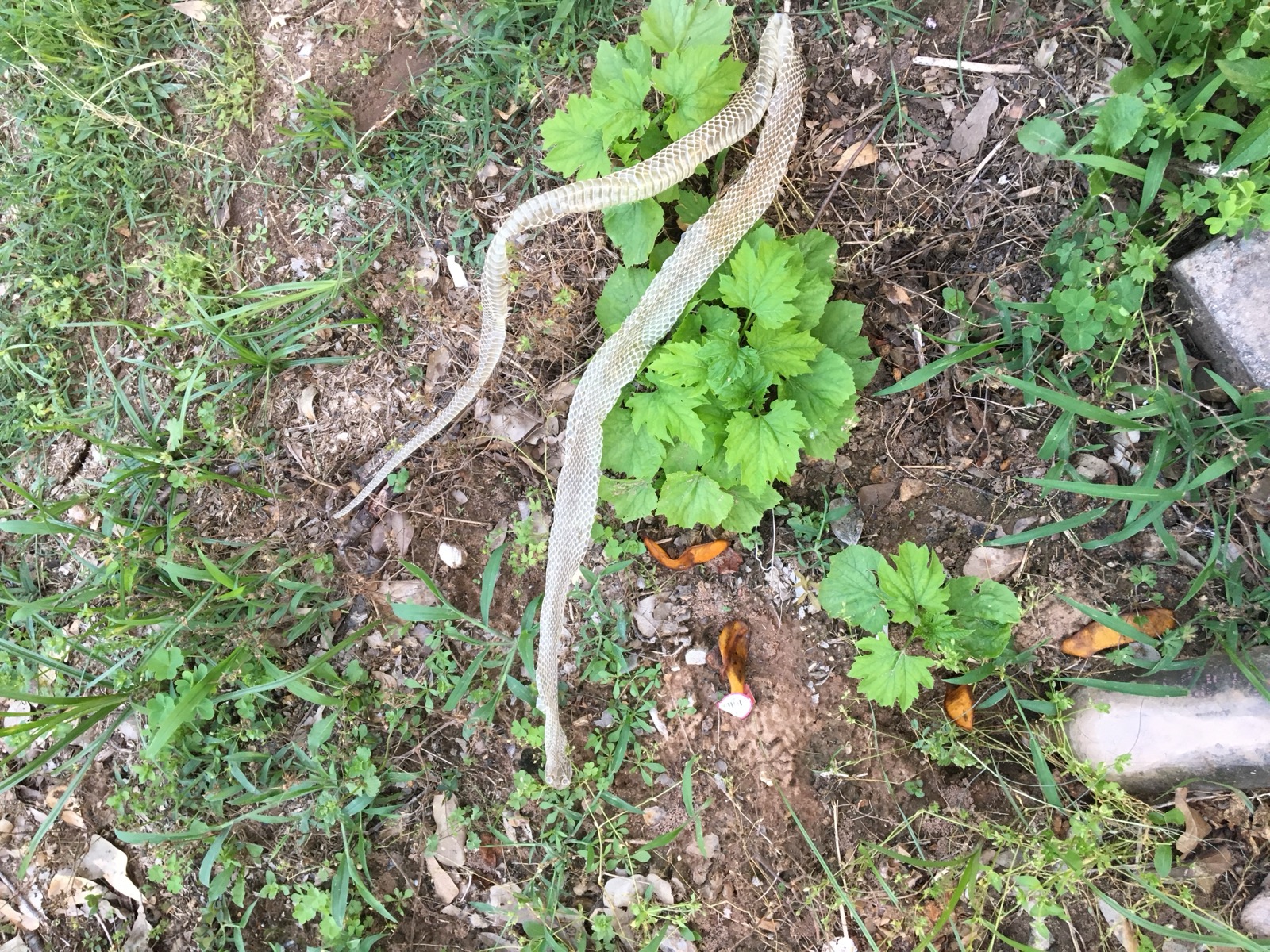
Many people observe their pets or other animals meticulously preening, licking, or scratching themselves to maintain cleanliness. This leads to a natural curiosity about how snakes, with their legless, scaly bodies, manage to stay clean while constantly slithering across various terrains. The simple answer is that snakes do not "groom" themselves in the way mammals or birds do. They don't have paws to comb their scales, nor do they lick themselves to remove dirt or parasites. Instead, their entire biological design is a testament to efficient self-maintenance, relying on specialized skin and environmental factors.
The primary mechanism for a snake's cleanliness lies in its remarkable scales. These overlapping plates of keratin act as a robust, flexible armor, protecting the snake from abrasions, dehydration, and pathogens. The smooth, often polished surface of the scales, particularly in many species, naturally resists dirt and debris. As a snake moves, the friction against the ground and vegetation, combined with the slickness of its scales, helps to dislodge loose particles. Think of it as a continuous, albeit passive, buffing process that keeps their outer layer relatively clean.
The most significant "cleaning" event in a snake's life is ecdysis, or shedding its skin. This process is far more comprehensive than any grooming ritual. When a snake sheds, it literally peels away its entire outer layer, including the spectacles covering its eyes. This discarded skin takes with it accumulated dirt, external parasites like mites and ticks, and any minor injuries or scars on the old surface. The new skin underneath is fresh, vibrant, and perfectly clean, effectively giving the snake a complete biological reset and ensuring its sensory organs, like the eyes, are unhindered.
Water also plays a crucial, though often indirect, role in a snake's hygiene. Snakes will seek out water sources not just for hydration, but also to soak. Soaking can help soften the old skin, making the shedding process easier and more complete. For snakes living in humid environments or those that spend significant time in water, the constant contact with moisture helps to rinse away surface dirt and keeps their scales supple. While they don't consciously "wash" themselves, these behaviors contribute significantly to their overall epidermal health.
Beyond their scales and shedding, the snake's environment itself contributes to its natural cleanliness. Burrowing snakes, for instance, are often pushing through soil or sand, which can rub away debris. Arboreal snakes might brush against leaves and branches. These interactions, coupled with the snake's own movements, constantly work to keep its outer layer free from excessive build-up. It's a testament to evolutionary design that such an active, ground-dwelling creature requires no active grooming to remain in pristine condition.
It's important to dispel any myths about snakes engaging in complex self-care. They are not known to "bathe" or "scrub" themselves. The idea of a snake licking its body clean, for example, is entirely unfounded; their forked tongue is solely for scent detection, not for cleaning. Their specialized anatomy and inherent biological processes, particularly the regular renewal of their skin, are perfectly adapted to maintain their health and appearance without the need for the active grooming behaviors seen in many other animal groups.
Understanding how snakes maintain their health and appearance helps us appreciate these fascinating reptiles. If you encounter a snake, observing it from a safe distance can reveal insights into its natural behaviors, including its movement and the pristine condition of its scales. Remember, never approach or attempt to handle a snake. If you need to identify a snake in your yard or on a trail, safely photograph it and use the SerpentID app to compare its markings against local species. If it's venomous, contact local wildlife services for assistance.