


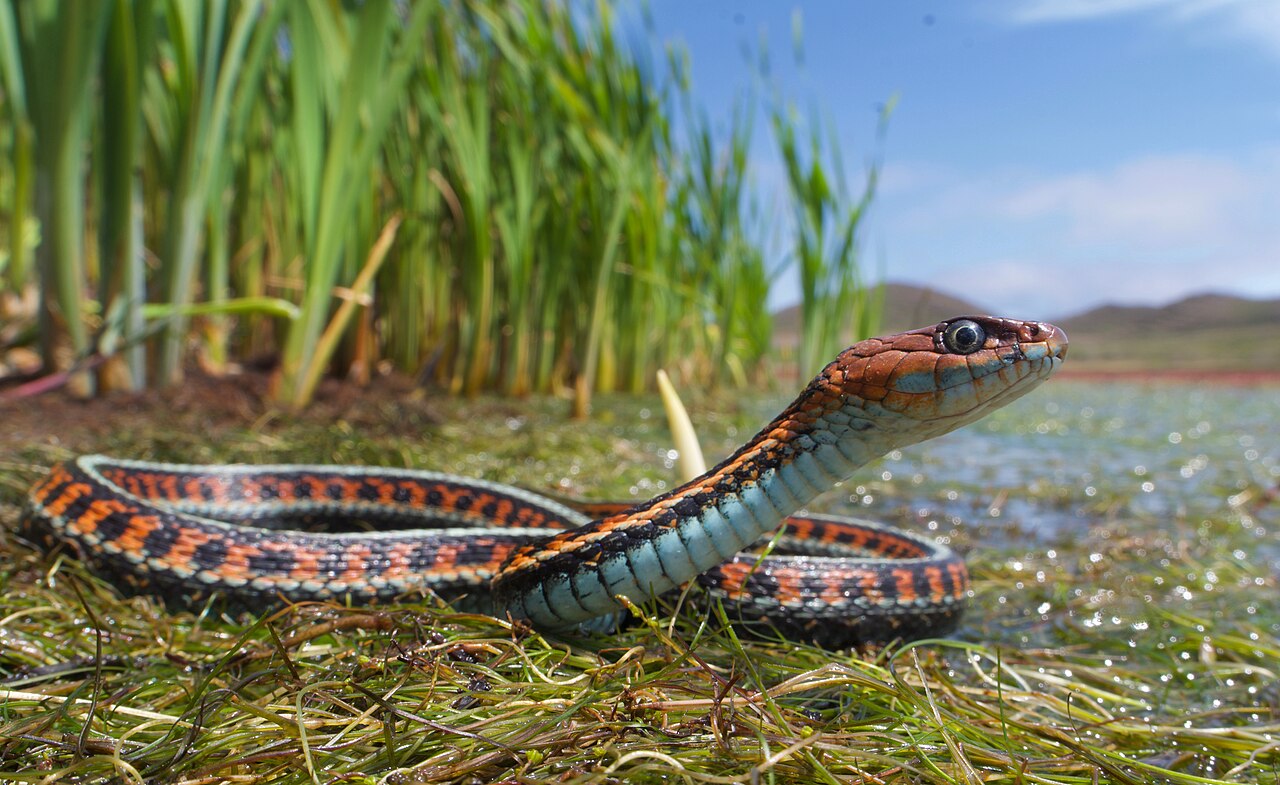
Yes, snakes frequently get ticks and other external parasites in the wild. Ticks are opportunistic blood-feeders that target a wide variety of vertebrate hosts, including cold-blooded reptiles. Because snakes move along the ground through grass, leaf litter, and brush where tick larvae and nymphs quest for hosts, they encounter parasites regularly. Once on the snake, ticks seek out areas where skin is accessible and blood flow is rich, wedging themselves deep into crevices between scales.
Unlike mammalian fur, a snake's hard, overlapping scales present both a barrier and a shield for parasites. Ticks navigate to areas where the skin is thinnest and hardest for the snake to rub against rough objects. Common attachment sites include around the eyes, beneath the lower jaw, inside the heat-sensing pits of pit vipers, around the cloacal vent, and along the delicate folds of skin between body scales. Once a tick anchors its mouthparts beneath a scale, the scale itself can actually shield the tick from being scraped off as the snake slithers through dense cover.
Because snakes lack limbs, they cannot scratch or pick ticks off their bodies the way mammals or birds groom themselves. Instead, wild snakes rely on passive or mechanical methods to manage parasite burdens. The most effective defense is ecdysis, or shedding. When a snake sheds its skin, the entire outer layer of epidermis sloughs off in a single piece, which can pull away attached ticks, mites, and unhatched parasite eggs. However, if a tick is anchored exceptionally deep into the dermal tissue, the shed skin may tear around it, leaving the parasite attached.
In most natural environments, a light parasite load of one or two ticks will not seriously harm a healthy adult snake. However, severe infestations can cause localized tissue inflammation, secondary bacterial infections, or anemia from chronic blood loss. Wild reptiles can also host specialized reptile tick species as well as generalist ticks that feed on birds and mammals. While ticks on snakes do not usually pose a direct threat to human health, they are a stark reminder of the complex ecosystem wild reptiles navigate every day.
If you spot a snake in your yard or on a trail that appears to be covered in ticks or bumps, resist the urge to capture it or pick off the parasites. Attempting to touch or restrain a wild snake increases your risk of receiving a defensive bite. Instead, maintain a safe distance and snap a clear photograph of the animal. You can upload your photo to SerpentID to analyze scale patterns and body shape to determine whether the snake is a harmless local species or a venomous pit viper. If a venomous snake is present in an area where pets or children play, contact local wildlife control specialists to handle relocation.