


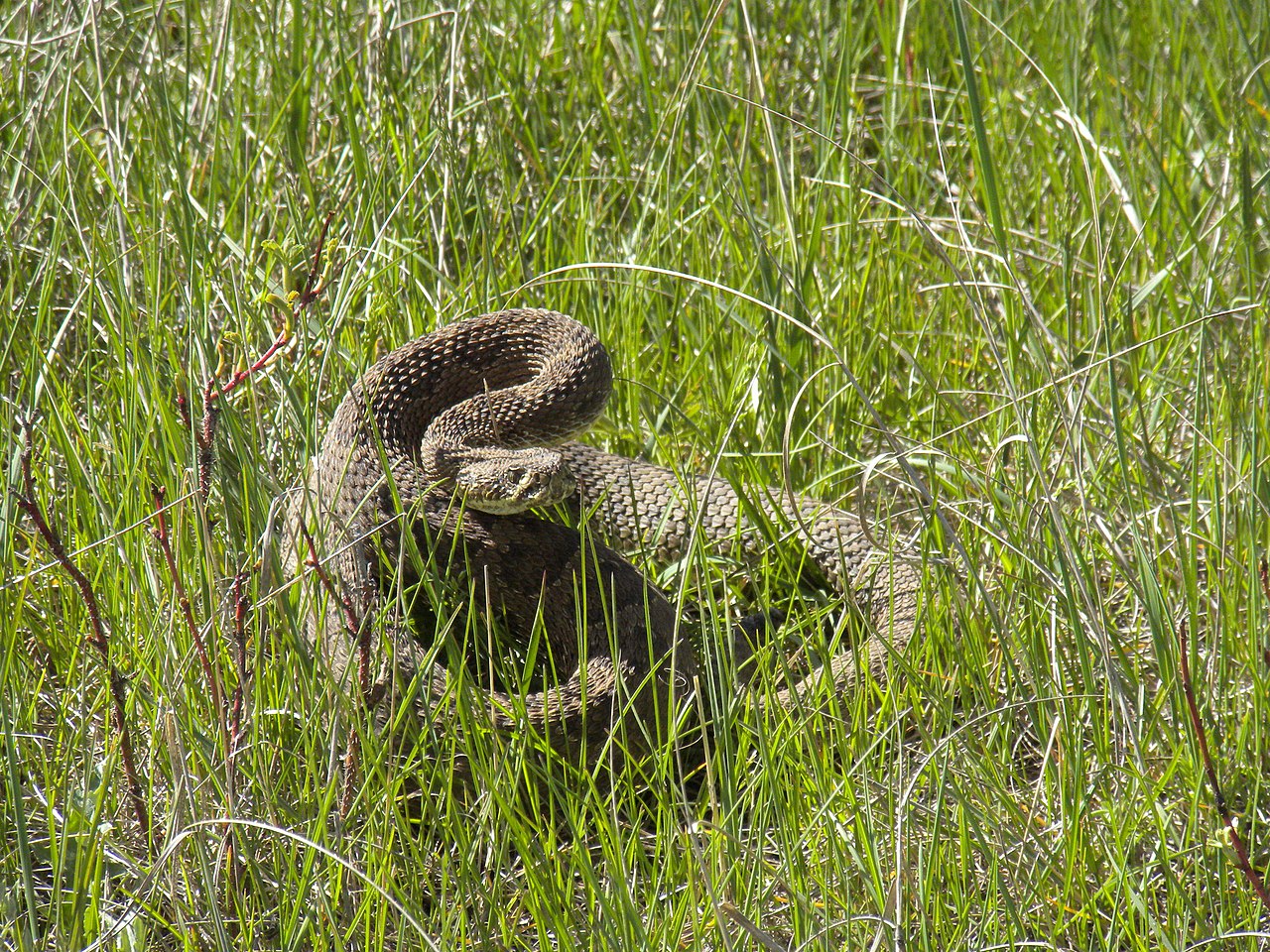
Snakes are often misunderstood creatures, frequently perceived as aggressive or malicious. However, their primary motivation in most interactions, especially with larger animals like humans, is survival. Just like any other animal, snakes possess the capacity for fear, which is a fundamental biological response to perceived danger. This isn't an emotion in the complex human sense, but rather an instinctual alarm system that triggers a cascade of physiological and behavioral changes designed to keep them safe from predators or threats.
A snake's fear response can be triggered by a variety of stimuli. Sudden movements, loud noises, vibrations in the ground, or the looming shadow of a large animal can all signal potential danger. Predators, including birds of prey, mammals, and even other snakes, are constant threats in a snake's world. Consequently, anything that appears large, fast, or unfamiliar can instantly put a snake on high alert, causing it to perceive a threat and initiate its defensive mechanisms.
When a snake experiences fear, its first and often preferred reaction is to escape. If it has an escape route, it will typically try to flee to cover, such as dense vegetation, a rock crevice, or an underground burrow. This flight response is energy-efficient and minimizes direct confrontation, which is always risky for a snake. They are masters of using their environment to disappear quickly, relying on their agility and often cryptic coloration to vanish from sight before a potential threat can react.
If flight is not an option, a snake may resort to freezing. By remaining perfectly still, it leverages its natural camouflage to blend into its surroundings, hoping the threat will pass by without noticing it. This strategy is particularly effective for species with excellent disruptive patterns or colors that mimic their habitat. Some species, like the hognose snake, take this a step further by feigning death, rolling onto their backs, opening their mouths, and even releasing foul-smelling musk in a dramatic display meant to deter predators who prefer live prey.
As a last resort, if cornered and unable to escape or hide, a snake will escalate to a defensive display. This is where many people misinterpret fear as aggression. These displays, which can include hissing, coiling into an S-shape, flattening their heads, or even striking, are clear warnings. They are a snake's way of saying, "Leave me alone!" The intention is to scare away the perceived threat, not to actively hunt or attack. A strike is a costly expenditure of energy and puts the snake at risk, so it is almost always a final, desperate act of self-preservation.
Human actions frequently play a significant role in triggering a snake's fear response. Approaching a snake too closely, making sudden movements, or attempting to handle it will almost certainly be perceived as a direct threat. Even pets, particularly dogs, can inadvertently provoke a snake by sniffing or pawing at it out of curiosity. Understanding that a snake's defensive behaviors stem from fear, not malice, is crucial for fostering safe coexistence and preventing bites. Giving a snake space is the single most effective way to prevent a defensive encounter.
Encountering a snake in the wild can be startling, but remembering that its reactions are driven by an instinct to survive can help you respond calmly and appropriately. Always maintain a safe distance and observe its behavior without cornering it. If you need help identifying a snake to understand its potential danger, photograph it from a safe distance, making sure to capture clear images of its head, body, and tail. Then, use the SerpentID app to compare its markings against likely local species. If the snake is identified as venomous, or if you are unsure, contact your local wildlife services for guidance, never attempting to handle or harm the animal yourself.