


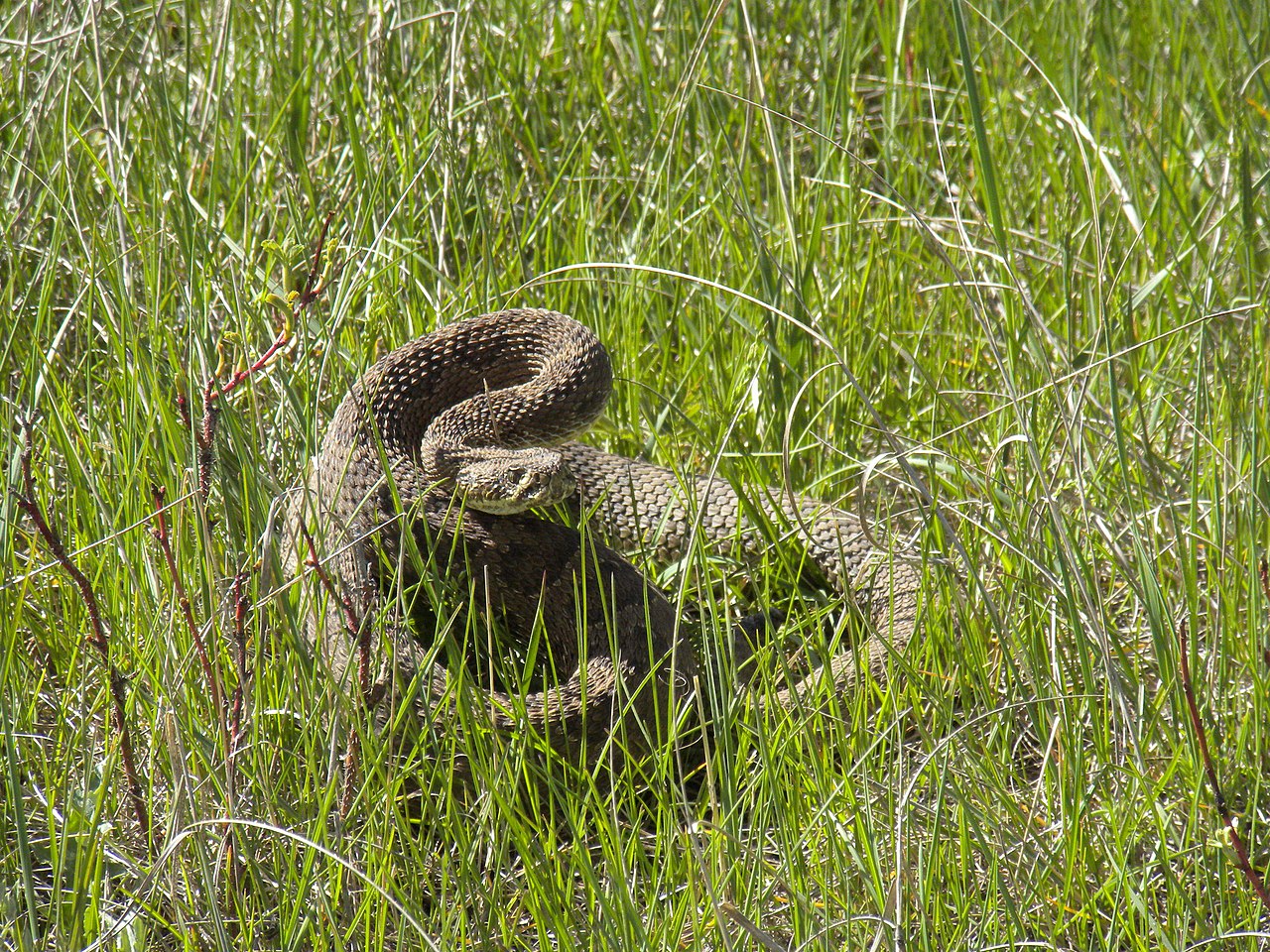
It is a common human tendency to project our own complex emotions onto animals, and snakes are no exception. When a snake hisses loudly, coils defensively, or strikes out, it can certainly look and feel like an act of anger or aggression. However, from a scientific perspective, snakes do not possess the neurological structures or cognitive capacity to experience emotions like anger, frustration, or malice in the same way that mammals, particularly humans, do. Their actions are primarily driven by instinctual responses to external stimuli, centered around survival, rather than emotional states.
What we perceive as 'anger' in a snake is almost always a manifestation of fear or a defensive response to a perceived threat. A snake's world is one of constant vigilance against predators, and anything large or fast-moving that approaches it can be interpreted as a danger. When startled, cornered, or otherwise feeling vulnerable, a snake's primary instinct is to protect itself. This might involve attempting to flee, freezing in place to blend in, or, if those options are unavailable or unsuccessful, engaging in a defensive display.
These defensive displays can take many forms, depending on the species and the perceived level of threat. Some snakes will flatten their bodies to appear larger, others will hiss vociferously, and many will coil into a striking posture. Rattlesnakes, for instance, vibrate their tails as a clear warning signal. Cobras will spread their hoods. These are all attempts to deter a potential predator or threat without engaging in a costly physical confrontation. A bite is typically a last resort, deployed when the snake feels its life is directly in peril.
Understanding the difference between true aggression and defensive behavior is crucial. True aggression implies an unprovoked attack with the intent to harm, often for reasons beyond immediate survival, such as territoriality or dominance. Snakes, by and large, are not territorial in the mammalian sense, nor do they seek out confrontation. They are solitary creatures focused on finding food, basking in the sun, and reproducing, all while avoiding becoming prey themselves. An unprovoked bite from a snake is exceedingly rare; almost all snake bites occur when a person attempts to handle, harass, or accidentally steps on a snake.
The environment plays a significant role in how a snake might react. A snake in an open field with plenty of escape routes is far less likely to strike than one that feels trapped in a confined space, like a garage, a small garden bed, or under a porch. Similarly, a snake that is cold and sluggish may react differently than one that is warm and alert. Their responses are finely tuned to their immediate circumstances and their assessment of risk, not a fluctuating internal emotional state.
Therefore, when you encounter a snake that appears agitated, it is not 'angry' with you personally. It is simply a wild animal reacting instinctively to what it perceives as a threat to its existence. Giving the snake ample space, remaining calm, and allowing it an escape route are the best ways to ensure a peaceful resolution for both parties. Respecting their need for personal space and understanding their survival-driven behaviors is key to coexisting safely with these fascinating reptiles.
If you encounter a snake and are unsure of its identity or behavior, the safest course of action is always to maintain a respectful distance. Take a clear photograph from afar, if possible, and use the SerpentID app to identify the species. Knowing whether a snake is venomous or harmless can guide your next steps, but always remember that even non-venomous snakes will bite if they feel threatened. If you suspect a venomous snake, contact local wildlife services for professional assistance, and never attempt to handle or harm the animal yourself.