


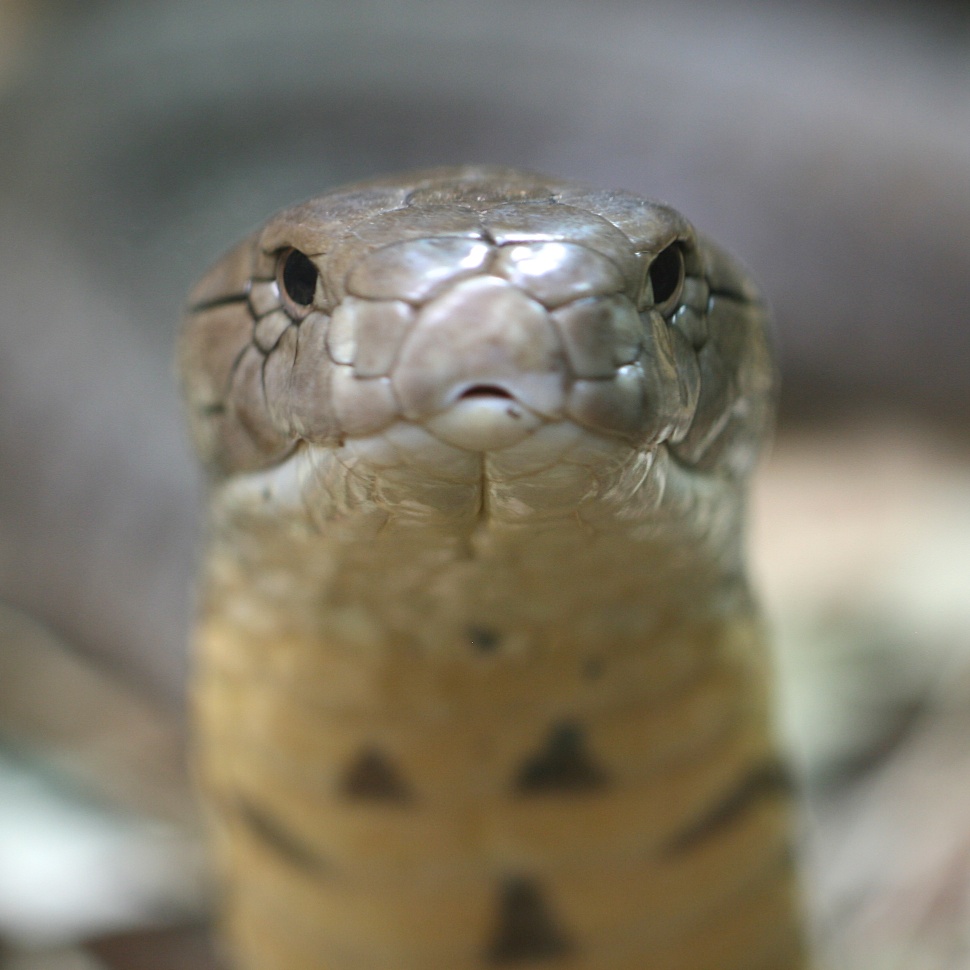
Do snakes feel pain is a question people usually ask because snakes hide their distress so well. The scientific consensus is that yes, snakes can feel pain: like all vertebrates they have a central nervous system, pain receptors called nociceptors, and the brain pathways to detect tissue damage and respond to it. They are not the unfeeling machines folklore makes them out to be, even if they never cry out or grimace.
What confuses people is that snakes express pain in muted, unfamiliar ways. A snake in distress will not yelp or whimper; it may simply go rigid, flinch, recoil from a harmful stimulus, hide, refuse food, or grow defensive and quick to strike. Because these signals are subtle and easy to miss, an injured snake can look 'fine' to a casual observer right up until it reacts — which is one reason their suffering is so often underestimated.
A reptile's slower metabolism also stretches everything out, including the consequences of injury. Wounds, infections, and the effects of a bad fall or a crush injury can take a long time to play out, so a snake that seems to recover quickly may still be coping with ongoing harm. This is exactly why veterinarians who treat reptiles take pain management seriously rather than assuming a cold-blooded animal does not need it.
One thing worth knowing is that a snake's nervous system can keep producing reflexes after the animal is gravely injured or even dead. A severed or apparently lifeless snake head can still bite and inject venom for a surprisingly long time, driven by reflex rather than intent. That capacity is not evidence that the snake feels nothing — it is a reason never to handle a 'dead' snake, because reflex strikes have caused real envenomations.
All of this points to the same practical conclusion: snakes deserve to be left alone rather than tormented or killed out of fear. Most snake encounters resolve themselves if you simply give the animal space to leave, and the great majority of bites happen when people try to catch, move, or kill a snake. Choosing not to harm a snake is not only kinder given that it can feel pain — it is also the safest choice for you.
When a snake turns up where you would rather it not be, the goal is to identify it without ever touching it. Photograph it from a safe distance and let SerpentID compare its markings against likely local species, so you can decide whether to give it room to move on or to call for help. If the match is venomous, keep well clear and contact local wildlife services rather than trying to deal with the animal yourself.