


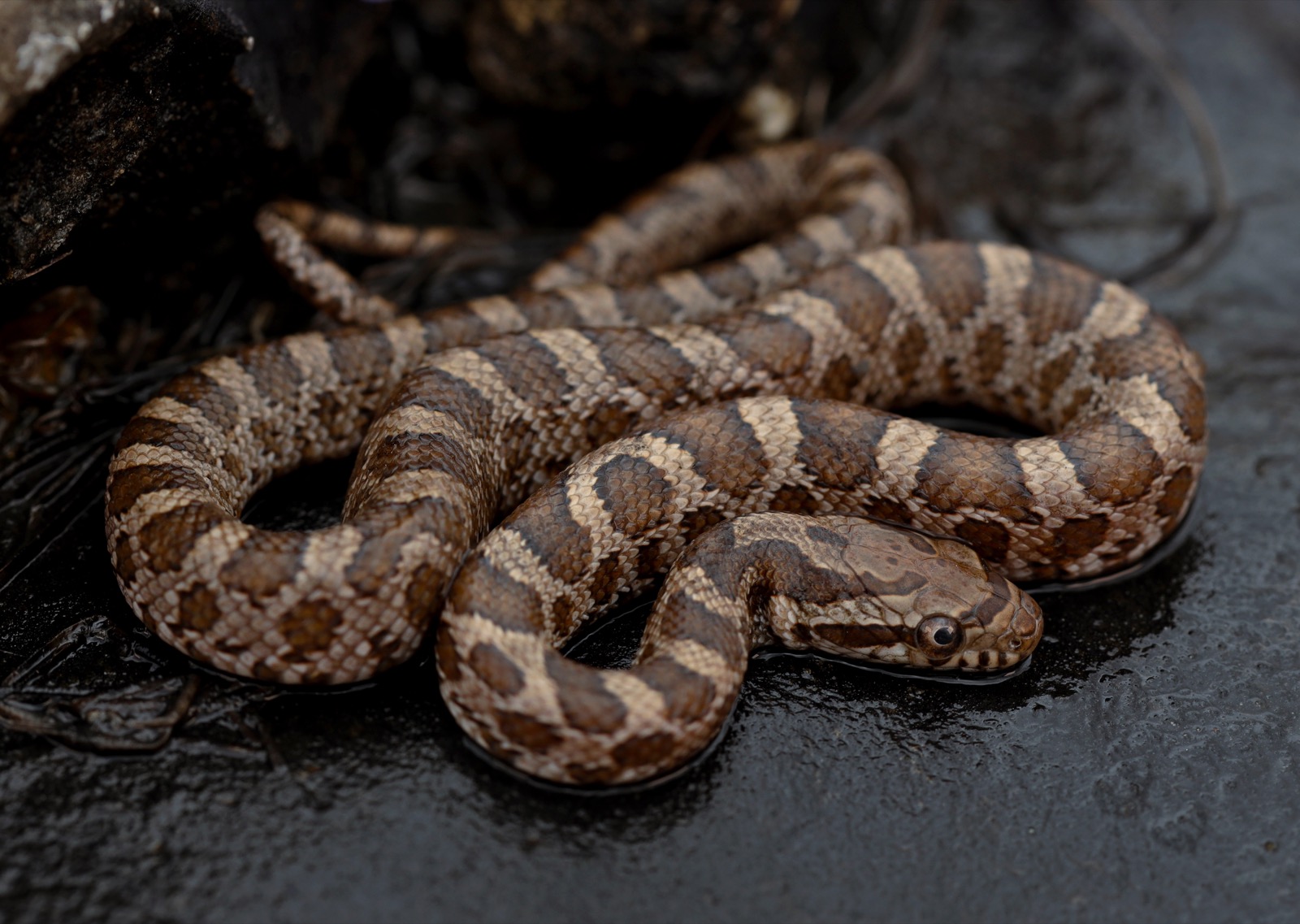
When we ask if snakes feel hot or cold, we often project our own human experience onto them. As mammals, our bodies maintain a relatively constant internal temperature, and we feel discomfort when outside that narrow range. Snakes, however, are ectothermic, often referred to as 'cold-blooded' (though 'cold-blooded' is a misleading term, as their blood can be quite warm). This means their body temperature fluctuates with their environment, and they lack the internal mechanisms to generate significant body heat. Their "feeling" of hot or cold is therefore fundamentally different from ours, driven by physiological necessity rather than subjective comfort.
Despite lacking an internal thermostat, snakes possess highly specialized sensory capabilities to detect temperature. General thermal receptors are distributed across their skin, allowing them to sense ambient heat or coolness. More remarkably, pit vipers, like rattlesnakes and copperheads, have unique facial pit organs that are incredibly sensitive to infrared radiation. These pits allow them to "see" heat, detecting minute temperature differences and creating a thermal map of their surroundings. This gives them an extraordinary advantage in locating warm-blooded prey, even in complete darkness, and in navigating their environment for optimal thermal conditions.
The primary reason snakes must be so adept at sensing temperature is for thermoregulation, a critical aspect of their survival. They actively move between warmer and cooler areas to maintain an optimal body temperature for various biological processes. Basking in direct sunlight helps raise their temperature for efficient digestion, increased metabolism, and faster movement. Conversely, seeking shade, burrowing underground, or retreating into rock crevices allows them to cool down and prevent overheating. These behaviors are not arbitrary; they are essential for their health and ability to function.
Failing to thermoregulate effectively can have severe consequences for a snake. If a snake becomes too cold, its metabolism slows dramatically, making it sluggish, unable to digest food, and vulnerable to predators. Prolonged exposure to extreme cold can lead to hypothermia and death. Conversely, overheating (hyperthermia) can be equally fatal, causing cellular damage and organ failure. This is why snakes in colder climates enter a state of brumation during winter, seeking insulated dens where they can remain dormant until warmer temperatures return, while desert species often become nocturnal during peak summer heat.
The precision with which snakes navigate their thermal world is astounding. They are not merely seeking "warmth" or "coolness," but often a very specific temperature gradient for different activities. A snake might bask to reach a digestive temperature, then move to a slightly cooler spot to conserve energy, and then seek a specific microclimate for shedding its skin. This constant, intricate dance with environmental temperatures dictates their activity patterns, hunting strategies, and even their reproductive success, making their ability to sense temperature a master key to their existence.
Therefore, while snakes do not experience the human sensations of comfort or discomfort associated with temperature, their entire physiology is meticulously tuned to their thermal environment. Their responses to heat and cold are instinctual, driven by survival imperatives rather than emotional preference. Understanding this fundamental aspect of snake biology helps us appreciate their unique adaptations and the complex ways they interact with the world around them, guided by their need to maintain a precise internal balance.
Encountering a snake in your yard or on a trail can be startling, but remember that most snakes are simply trying to find suitable temperatures or food. Always observe them from a safe distance. If you need to identify a snake, take a clear photo without approaching it and use an app like SerpentID to compare markings against likely local species. If you suspect a snake is venomous, contact local wildlife services for assistance and never attempt to handle or harm it.