


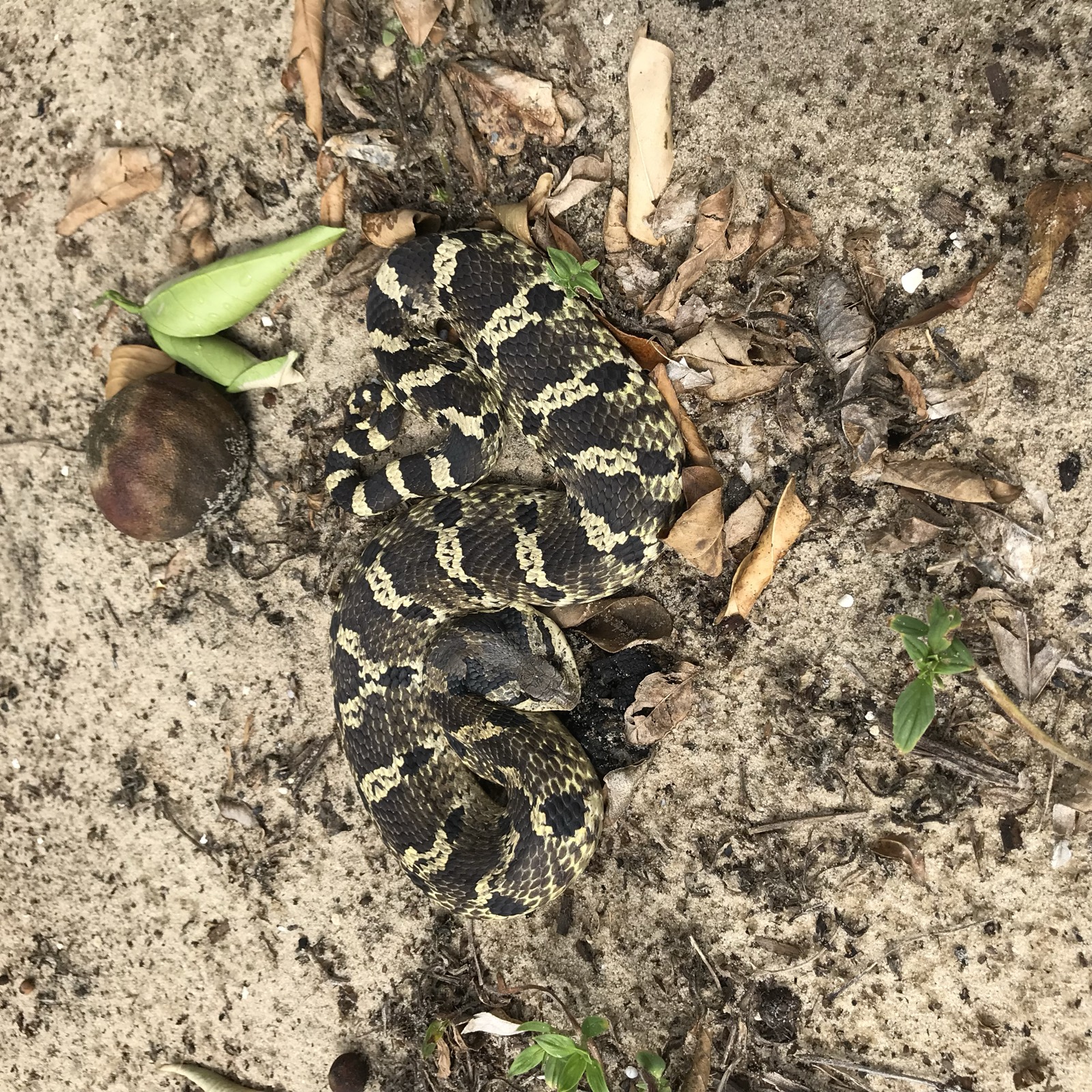
Across gardens, forests, and wetlands worldwide, toads are widely known for their primary defense mechanism: producing toxic chemical compounds called bufotoxins from the parotoid glands behind their eyes. When a predator grabs a toad, these unpleasant secretions cause severe irritation, rapid heart rates, or even fatal toxicity in many mammals and birds. Despite this potent biochemical defense, toads are a primary food source for several species of snakes. Rather than avoiding these toxic amphibians, certain serpents have evolved remarkable biological and physical adaptations designed specifically to overcome every defense a toad can throw at them.
The most famous toad specialist in North America is the eastern hognose snake, whose entire life cycle revolves around finding and consuming these amphibians. Toads naturally inflate their bodies like small balloons when threatened, making themselves too large for a predator to swallow. Hognose snakes have evolved enlarged, rear-facing teeth in the back of their upper jaw that puncture and deflate the inflated toad, making it easy to swallow. Furthermore, hognose snakes possess extraordinarily large adrenal glands that produce hormones capable of neutralizing the dangerous cardiac toxins contained within the toad's secretions.
Garter snakes and water snakes are also frequent predators of toads, relying on a high innate tolerance to bufotoxins. While a domestic dog or cat biting down on a cane toad or Fowler's toad may require immediate veterinary intervention due to foaming at the mouth and cardiac distress, a garter snake can consume the same toad with no ill effects. In regions where invasive, highly toxic cane toads have spread, such as Australia, native snake populations are undergoing rapid evolutionary shifts, with some species developing larger body sizes relative to mouth size or behavioral avoidance to survive encounters with these unusually lethal amphibians.
For homeowners and gardeners, seeing a snake consume a toad in the yard can be surprising, but it highlights a healthy food web in action. Toads consume vast quantities of insects and garden pests, and snakes in turn keep amphibian populations balanced. A snake hunting toads in your lawn or flowerbed is simply following prey signals and poses no danger to humans. Non-venomous species like hognose snakes, garter snakes, and rat snakes frequently visit damp garden areas specifically because toads gather near moist soil, garden lights, and water features where insects are plentiful.
Because toad-hunting snakes are so common around residential yards, homeowners often come across them near patio stones, garden borders, and damp mulch. If you encounter a snake in your yard and want to confirm what species it is, keep a respectful distance and take a clear photograph. You can upload the photo to SerpentID to compare its pattern against regional species, helping you quickly distinguish harmless amphibian hunters from venomous snakes. If you suspect a venomous snake is present in a high-traffic area, contact your local wildlife relocation service to handle the animal safely.