


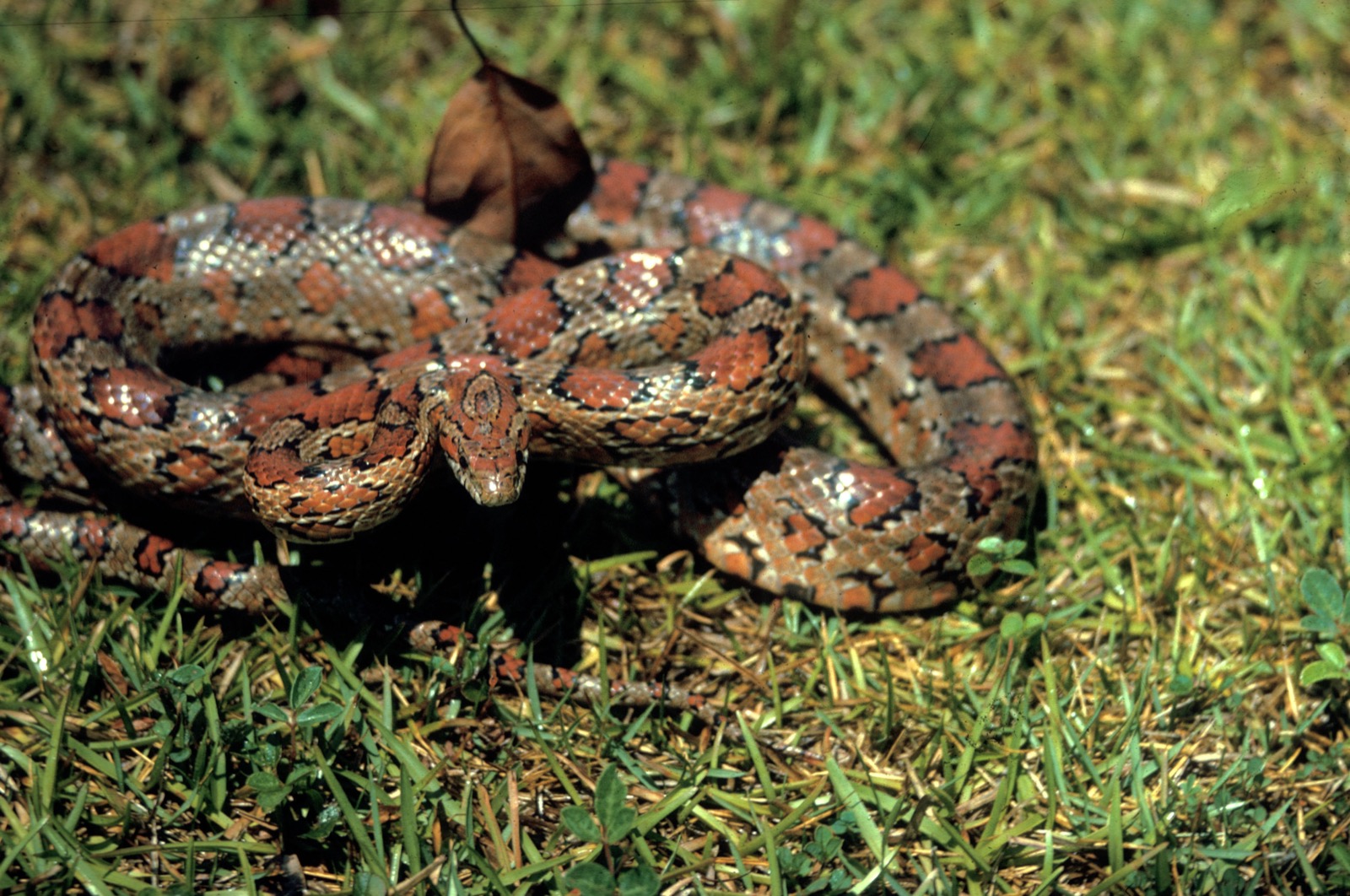
The idea of a snake eating its own tail, often depicted in ancient symbols like the Ouroboros, is a fascinating but alarming concept when observed in real life. However, it is crucial to understand that snakes do not naturally or intentionally consume their own tails. This extremely rare and distressing behavior, medically termed autophagia or autophagy, is a clear indicator of severe physiological or environmental distress, not a normal part of a snake's diet or behavior.
When autophagia does occur, it is almost exclusively seen in captive snakes and is typically a symptom of extreme stress or disorientation. Common contributing factors include an enclosure that is too hot, too small, or lacks adequate hiding spots, leading to an overwhelmed and confused animal. Without proper environmental enrichment and temperature gradients, a snake can become so stressed or disoriented that its natural instincts malfunction.
Overheating is a particularly common culprit. As ectotherms, snakes depend entirely on their environment to regulate their body temperature. If a snake cannot escape excessive heat, its nervous system can become overstimulated and malfunction. In such a state, the snake may lose its ability to properly perceive its surroundings, potentially mistaking its own tail for prey due to movement or scent, and initiate a feeding response against itself.
Beyond temperature, other factors can contribute to this desperate act. Intense hunger, neurological issues, or even lingering prey scents on its tail after a recent meal can sometimes trigger a confused feeding instinct. Poor vision or a strong, overpowering scent in a confined space can exacerbate the problem, making it difficult for the snake to distinguish its own body from potential food items. It is rarely a single cause but often a complex interplay of multiple environmental and physiological stressors.
It is important to emphasize that this behavior is virtually unheard of in wild snake populations. In their natural habitats, snakes have vast spaces to regulate their body temperature effectively, hunt for appropriate prey, and find ample shelter to avoid chronic stress. The occurrence of autophagia in a snake is a stark and undeniable indicator that the animal is suffering deeply, usually as a direct result of unsuitable living conditions or underlying health issues.
If you ever witness a snake attempting to eat its own tail, whether in a pet or rescue situation, it is a critical emergency requiring immediate intervention. This is not a sign of aggression or a unique feeding strategy, but a desperate cry for help from a suffering animal. Professional veterinary attention or assistance from an experienced reptile rescue organization is crucial to identify and address the root cause, which could be life-threatening.
While such extreme behavior is rare, understanding what it signifies is part of appreciating the complex needs of these fascinating reptiles. If you encounter any snake, whether in your garden or out in the wild, the best and safest approach is always to observe from a distance. If you need to identify a snake, capture a clear photograph from a safe distance and use the SerpentID app to compare its markings against local species. If you suspect a snake is venomous or in distress, contact your local wildlife services for safe and professional assistance.