


The short answer is yes: several snake species eat squirrels, but they eat young squirrels far more often than adults. A squirrel is a mammal, and many medium and large snakes eat small mammals. What limits the menu is size and opportunity. A healthy adult gray or fox squirrel is quick, wary, and has sharp teeth and claws, so most snakes do better targeting nestlings in a tree cavity or pups in a burrow, where the prey cannot run and the snake can feed without much risk.
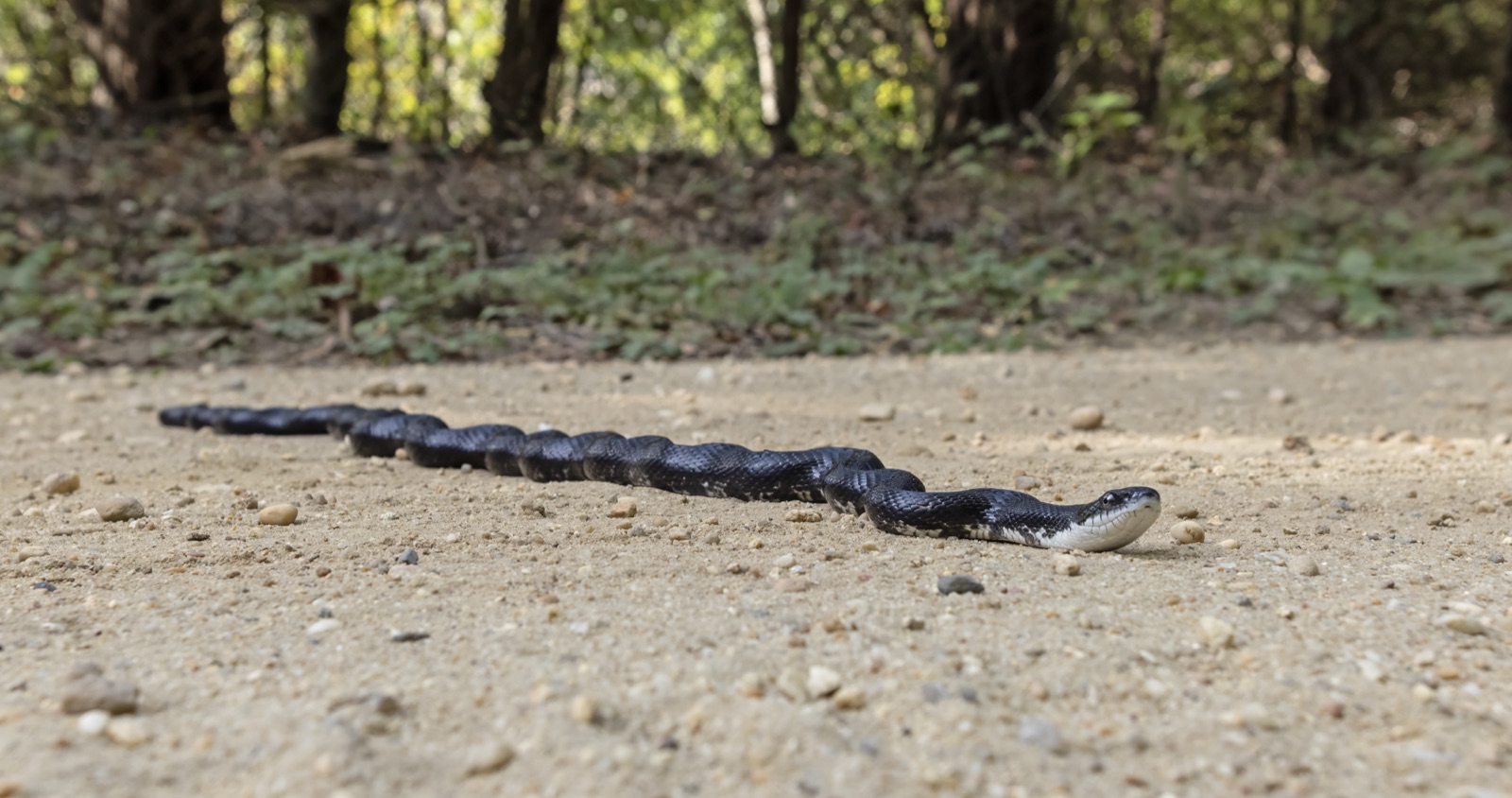
In North America, rat snakes are the best-known squirrel predators among tree squirrels. Eastern, gray, and Texas rat snakes are excellent climbers that grip rough bark and slip into tree hollows, woodpecker holes, nest boxes, and attics. They locate nests mostly by scent, flicking their tongues to follow trails and odors, and a single visit can take several baby squirrels. Rat snakes also eat birds, eggs, and rodents, so a squirrel nest is simply one more food source in a varied diet. Adult squirrels are sometimes taken too, especially when cornered in a cavity, but this is less common.
Ground squirrels and chipmunks face a different set of predators. Rattlesnakes, gopher snakes, and bullsnakes regularly hunt in burrow systems where pups are hidden. Rattlesnakes often ambush along runways and burrow entrances and use their heat-sensing pits to detect warm-bodied prey, while gopher snakes and bullsnakes push directly into tunnels and constrict what they find. In the western United States, California ground squirrels and rattlesnakes have such a long shared history that researchers have studied the relationship for decades.
That shared history has produced some of the most interesting predator-prey behavior in snakes. Adult California ground squirrels confront rattlesnakes by waving their tails, kicking sand and dirt at the snake, and harassing it to drive it off from their young. Researchers have found that the squirrels can heat their tails during this display, sending an infrared signal that a rattlesnake can detect but a gopher snake, which lacks heat pits, cannot. Many adult ground squirrels also have partial resistance to rattlesnake venom from proteins in their blood, although pups have less protection, which is one reason they are the usual victims. None of this means squirrels always win, but it shows why adults are not easy prey.
Outside North America the picture changes. In India, rat snakes, cobras, and other rodent-eating snakes may take palm squirrels or their young when they find them, though rats and mice make up much more of their diet. Australia has no native squirrels, so snakes there do not depend on them; carpet pythons and other climbers instead take possums, gliders, birds, and rats, and people sometimes mistake small gliders for squirrels. In South Florida, invasive Burmese pythons eat a wide range of mammals, and their spread has been linked to steep declines in medium-sized mammals in parts of the Everglades.
For homeowners, the practical takeaway is that squirrel activity and snake activity often overlap. Bird feeders, spilled seed, nest boxes, hollow trees, and squirrels living in attics or wall voids all create food that can draw rodents and, in turn, snakes that hunt them. If you see a snake climbing a tree near a squirrel nest or entering a roofline, keep people and pets back and do not try to pull it down, poke the nest, or handle the snake. Rat snakes are not venomous, but they can bite when grabbed, and in many regions a venomous species could be nearby. A snake hunting squirrels is doing what it evolved to do, and in most cases it will move on once the meal is gone.
If you are not sure what kind of snake is visiting your trees, feeders, or attic, take a clear photo from a safe distance and let SerpentID compare its markings, body shape, and pattern against likely local species. That quick check can tell you whether you are looking at a harmless climber like a rat snake or something that needs more caution. If the snake turns out to be venomous or is inside your home, contact your local wildlife services or a licensed snake removal professional rather than dealing with it yourself, and if anyone is bitten, seek professional medical help immediately.