


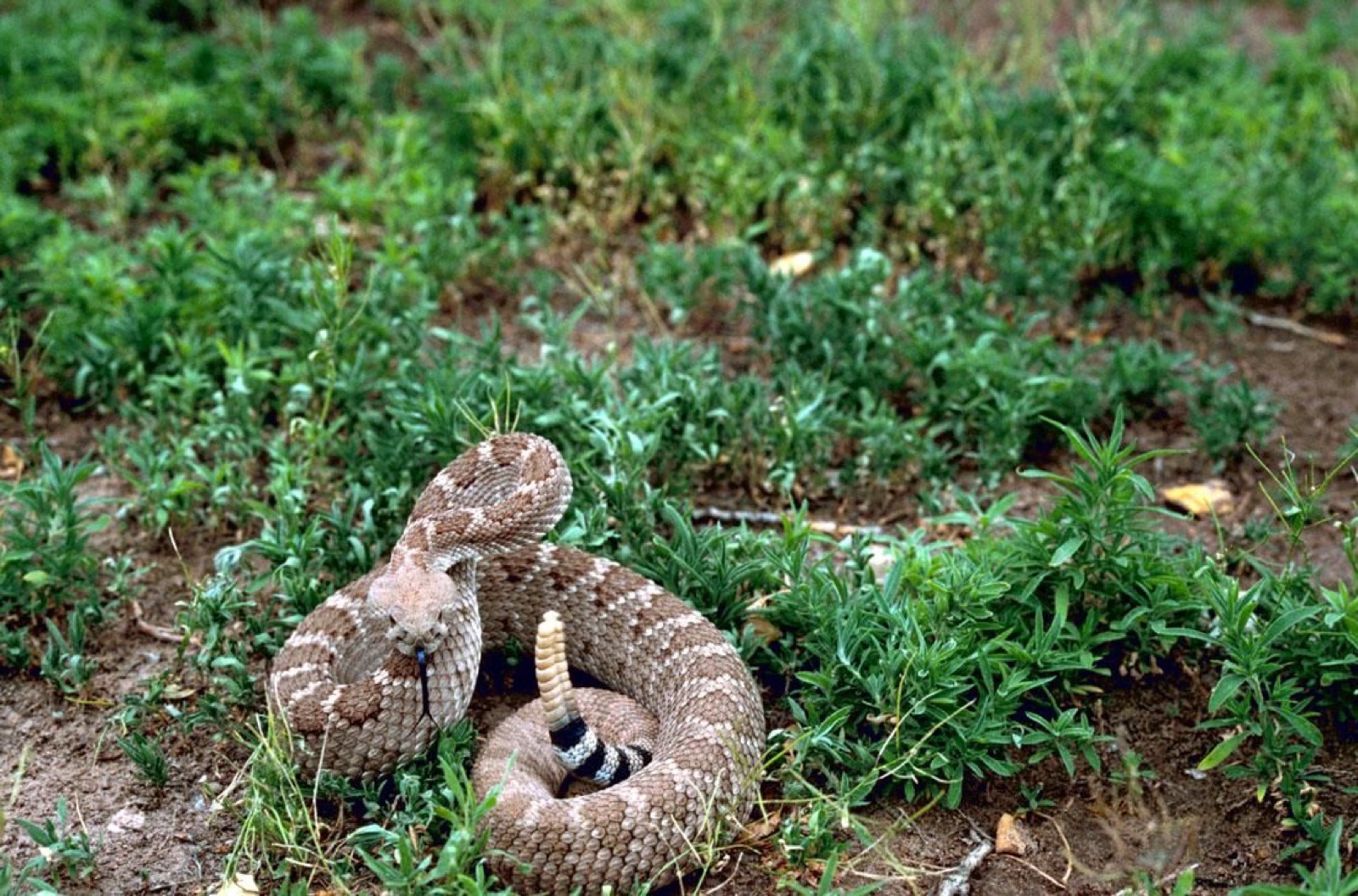
The question of whether snakes consume scorpions often sparks curiosity, given the scorpion's reputation for a painful, venomous sting. The straightforward answer is yes, many snake species regularly include scorpions in their diet, especially in the arid and semi-arid regions of the United States, Australia, and India where both creatures frequently coexist. These specialized predators have evolved remarkable adaptations to overcome the scorpion's formidable defenses, making them a significant part of the food chain in these challenging environments.
The key to a snake's ability to safely eat scorpions lies in its physiological adaptations to scorpion venom. While not always a complete immunity, many snake species possess a high degree of resistance to the neurotoxins and cytotoxins found in scorpion stings. This resistance can be species-specific, meaning a snake might be highly resistant to the venom of scorpions in its local habitat but less so to others. These adaptations allow them to metabolize the venom without suffering severe or fatal effects, turning a potentially dangerous meal into a nutritious one.
Hunting scorpions requires a combination of stealth and speed. Snakes, particularly those that forage at night when scorpions are most active, often use their keen sense of smell and vibration detection to locate prey. Once a scorpion is identified, the snake typically strikes quickly, aiming to immobilize it before the scorpion can deploy its tail-borne stinger. Some snakes might employ specific techniques, such as pinning the scorpion's tail or crushing its head with their powerful jaws, to neutralize the threat immediately.
Several well-known snake groups are documented scorpion eaters. In the American Southwest, various rattlesnake species, such as the Western Diamondback, and smaller species like the Night Snake, frequently prey on scorpions. Australian elapids, including some species of brown snakes, also consume scorpions, showcasing their adaptability. Similarly, in parts of India, certain non-venomous snakes and even some mildly venomous ones will opportunistically feed on scorpions, demonstrating a widespread ecological niche for this predator-prey relationship.
Scorpions, rich in protein and other nutrients, represent a valuable food source for snakes in environments where other prey might be scarce or seasonal. By preying on scorpions, snakes play a crucial role in regulating scorpion populations, contributing to the overall balance of their ecosystems. This natural control helps maintain biodiversity and prevents any single species from becoming overly dominant in its habitat.
It is a common misconception that all snakes are impervious to all venoms. While many have developed specific resistance, a snake's ability to withstand a sting is not universal. A particularly potent sting, or multiple stings from larger, more venomous scorpions, can still pose a threat even to a resistant snake. These specialized feeding habits are a testament to the intricate evolutionary arms race between predator and prey, rather than an blanket immunity.
Encountering a snake, whether it preys on scorpions or not, should always be approached with caution and respect. If you spot a snake in your yard or while exploring natural areas, the safest course of action is to observe it from a distance and avoid any attempts to handle or provoke it. For accurate identification without risking an encounter, take a clear photo from a safe distance and use the SerpentID app. If the snake is venomous or you are concerned for safety, contact your local wildlife services for professional assistance.