


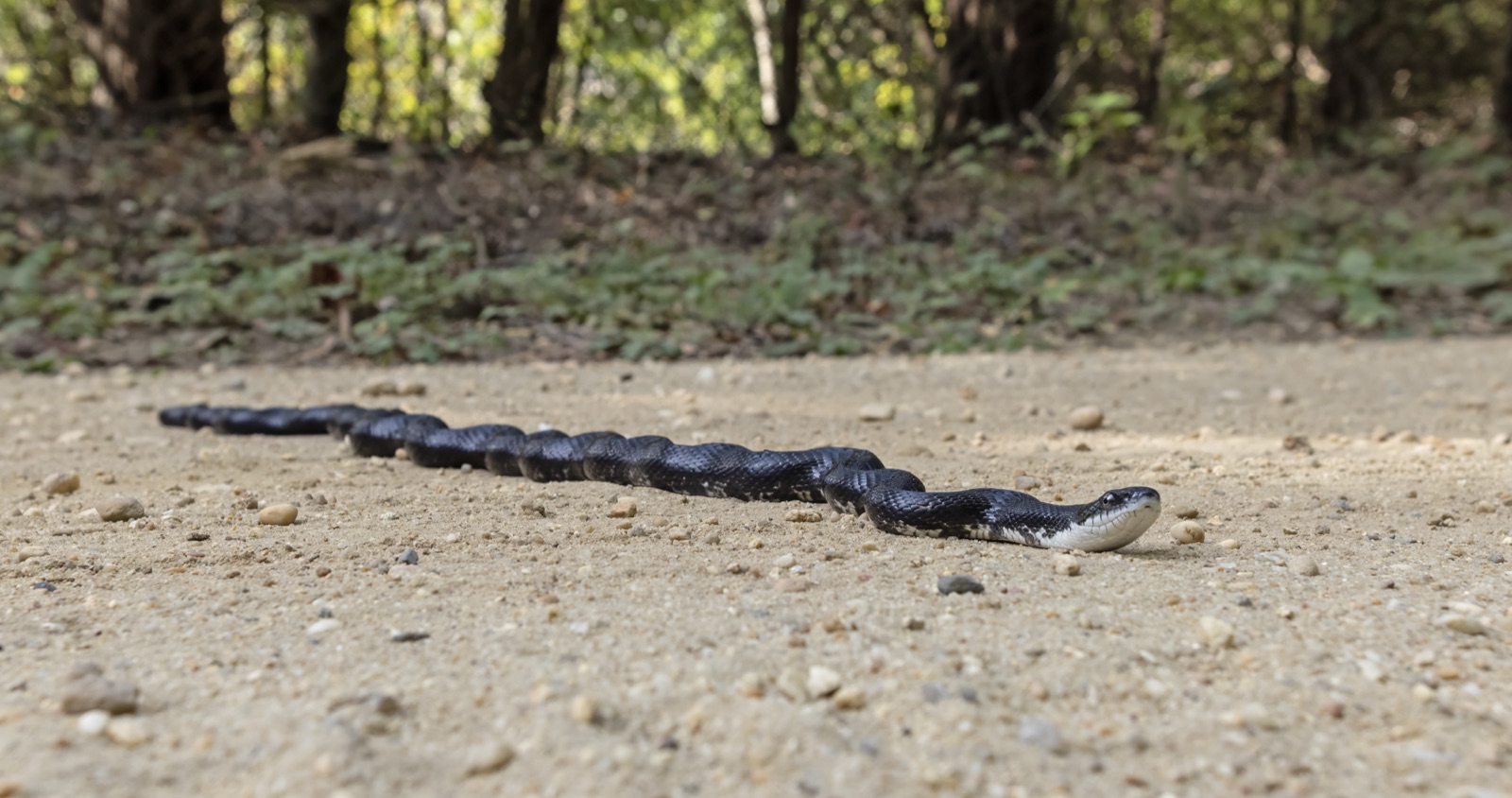
Snakes do eat rabbits, but the answer depends heavily on two things: the size of the snake and the age of the rabbit. Every snake swallows its prey whole, so a snake can only take an animal that fits through its stretched jaws and down its body. That single limit explains most of what people see. A garter snake or a brown snake in a flower bed will never eat a rabbit of any age, while a long rat snake or rattlesnake may well find and eat a nest of newborn kits. Only the largest snakes, mostly heavy-bodied vipers and big constrictors, regularly take fully grown rabbits.
Baby rabbits are by far the most vulnerable. Cottontail mothers in North America, and wild rabbits in Australia and elsewhere, leave their young in shallow, fur-lined nests or burrows and visit only briefly to feed them, often around dawn and dusk. That strategy keeps predators that hunt by sight from noticing the nest, but snakes hunt largely by scent, and a nest full of warm, motionless kits carries a strong chemical signature. In the United States, rat snakes, gopher snakes and bullsnakes, racers, and kingsnakes are all documented nest raiders, and pit vipers can detect the body heat of the young through their facial pits. A snake that finds a nest will often eat several kits in one visit, then rest for days while it digests.
Adult rabbits are a different matter. In the eastern United States, timber rattlesnakes are known to ambush cottontails along runways, and western diamondbacks and other large rattlesnakes include rabbits and hares in their diets. In the Florida Everglades, invasive Burmese pythons have had a measurable effect: a well-known study that radio-tracked marsh rabbits released into python-occupied areas found that pythons caused most of the rabbit deaths there, supporting earlier evidence that mammal numbers had crashed where pythons became established. In Australia, carpet pythons and other pythons take introduced European rabbits, and larger elapids such as eastern brown snakes, which feed heavily on small mammals, may take young rabbits. In India, the Indian rock python is capable of eating hares, and rat snakes and vipers hunt the young of small mammals around farmland.
Squirrels face a similar pattern. Rat snakes climb trees and raid squirrel nests and nest boxes for young, while rattlesnakes hunt ground squirrel pups in their burrows. California ground squirrels are a famous example of prey fighting back: adults have a degree of resistance to rattlesnake venom, kick sand at snakes, and wave their tails at them, and research has shown they can heat their tails while doing so, a display aimed at the rattlesnake's heat-sensing pits. It is a reminder that snakes and small mammals have been locked in a long evolutionary contest, not a one-sided slaughter.
For people who keep pet rabbits, the practical concern is the hutch. A snake is usually drawn to a hutch area by rodents feeding on spilled pellets and hay, and once there it may find young kits or a very small rabbit. Adult pet rabbits of most breeds are too big for typical yard snakes, though a bite from a venomous snake defending itself can still be serious for the rabbit. Keeping feed in sealed metal containers, cleaning up spilled food, using fine, solid mesh rather than wide chicken wire on lower panels, and raising hutches off the ground all reduce the attraction. If you suspect a snake is inside a hutch, do not reach in blindly; check with a flashlight from a distance and keep children and other pets back.
Finding a raided rabbit nest can be upsetting, but it is not a sign that your yard is overrun with dangerous snakes. Rabbits produce many litters precisely because so many of their young are eaten by hawks, foxes, cats, dogs, and snakes alike. The snakes involved are often harmless constrictors that also help control rats and mice. There is no need to kill a snake you see near a rabbit nest; doing so is a leading cause of bites, and the snake is simply doing what it has always done.
If you do spot a snake near a rabbit nest, a burrow, or your hutch, stay well back and take a photo from a safe distance rather than trying to get closer. SerpentID can compare the markings, body shape, and pattern in your photo against the species most likely in your area, so you can quickly tell a rodent-hunting rat snake from a venomous rattlesnake, brown snake, or viper. If the snake turns out to be venomous or is in a spot where it puts people or pets at risk, contact your local wildlife services or a licensed snake catcher, and if anyone is bitten, seek professional medical help immediately.