


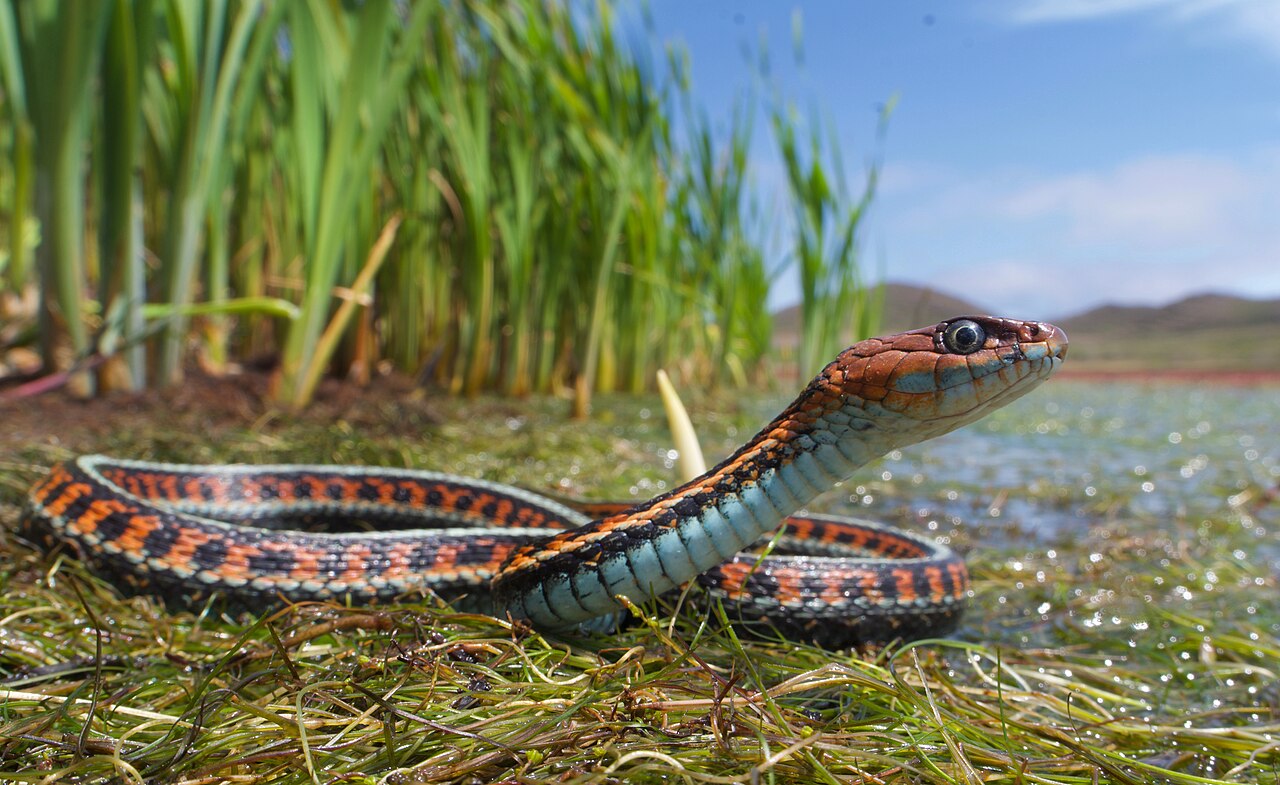
Many gardeners see a snake slithering among their zucchini, tomatoes, or strawberries and assume the reptile is looking for a plant-based snack. In reality, snakes are strictly carnivorous. Unlike many other reptiles, such as iguanas or tortoises that thrive on leafy greens and fruits, snakes lack the physical structures and digestive enzymes required to break down plant matter. Their entire evolutionary design, from their specialized teeth to their gut bacteria, is optimized exclusively for a diet of meat.
The digestive tract of a snake is relatively short and simple compared to that of herbivores. Herbivorous animals require complex, multi-chambered digestive systems or elongated intestines filled with specialized microbes to ferment and extract nutrients from tough plant cell walls. Snakes possess highly acidic stomachs designed to dissolve bones, fur, feathers, and scales, but these powerful acids are completely ineffective against cellulose. If a snake were to intentionally swallow a piece of fruit or a leaf, it would likely pass through their system entirely undigested or cause a dangerous internal blockage.
Occasionally, researchers find trace plant matter inside a snake's stomach, but this is almost always accidental. When a snake strikes at a frog, rodent, or insect, it may inadvertently swallow a few dry leaves, blades of grass, or loose soil stuck to its prey. This incidental fiber is not digested and is simply excreted. Additionally, some snakes may have partially digested plant matter in their stomachs that came directly from the digestive tracts of the herbivorous rodents or insects they recently consumed, a phenomenon known as secondary ingestion.
Because snakes do not eat vegetation, their presence in your garden or yard is actually a sign of a healthy, balanced ecosystem. Snakes act as natural pest control officers. Depending on the species, they are actively hunting the very pests that do damage your plants, such as slugs, snails, grasshoppers, mice, voles, and rats. A harmless garter snake winding through your flower beds is likely searching for destructive grubs or earthworms, while a larger rat snake is keeping rodent populations under control without the need for harmful chemical rodenticides.
While knowing that snakes will not eat your garden produce is reassuring, encountering one unexpectedly can still be startling. It is important to remember that most garden snakes are harmless, but venomous species can also seek shelter under low-lying foliage, compost piles, or landscape timber. If you spot a snake while working outdoors, step back and take a clear photograph from a safe distance. You can then let SerpentID compare the markings against likely local species to identify your visitor, and if you discover it is a venomous species, you should contact local wildlife services to have it safely moved.