


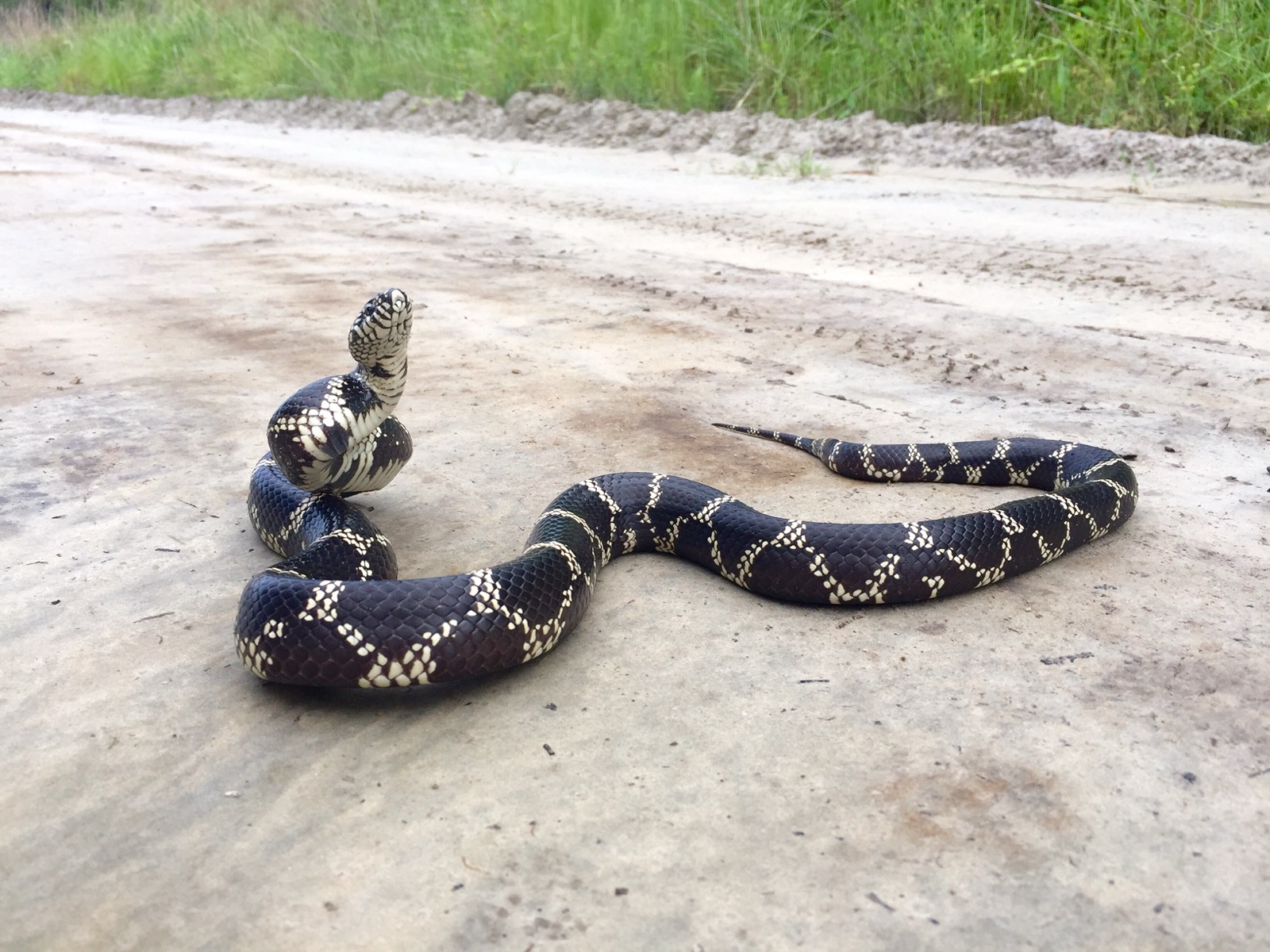
Yes, snakes do eat other snakes, a behavior known as ophiophagy. While it might seem unusual, it's a specialized predatory strategy for certain species that have evolved unique adaptations to hunt and consume other serpents. This dietary choice plays a significant role in their ecological niche, allowing them to thrive in environments where other food sources might be scarce or competition is high, and demonstrates the incredible diversity of feeding habits within the snake world.
The most famous examples of ophiophagous snakes are the kingsnakes, found across North and South America. Their genus name, *Lampropeltis*, translates to "shiny shield," referring to their smooth, often iridescent scales. Kingsnakes are renowned for their ability to overpower and consume other snakes, including highly venomous species like rattlesnakes and copperheads, to whose venom they are largely immune. This immunity allows them to safely tackle dangerous prey that most other predators would avoid, giving them a distinct advantage in their habitats.
Beyond kingsnakes, other prominent ophiophagous species include the formidable cobras of Asia and Africa, such as the King Cobra, which almost exclusively preys on other snakes. Some species of mambas and even certain pit vipers also incorporate other snakes into their diet. While primarily targeting different species, instances of cannibalism – where a snake consumes another snake of its own kind – can also occur, though it is generally less common and often attributed to resource scarcity or territorial disputes, particularly among larger, more opportunistic species.
The methods snakes use to subdue their serpentine prey vary. Constricting snakes, like kingsnakes, will typically coil around their victim, applying powerful pressure to cut off blood flow or respiration, much as they would with a rodent or bird. Venomous ophiophagous snakes, such as cobras, rely on their potent venom to quickly incapacitate their prey. Regardless of the method, the act of consuming another snake often involves an impressive feat of jaw articulation, as the predator must swallow its prey whole, headfirst, sometimes a snake that is nearly as large as itself.
From an ecological perspective, ophiophagy serves several important functions. It helps regulate snake populations, prevents overpopulation of certain species, and contributes to the overall balance of the ecosystem. For the ophiophagous snake, this diet provides a rich source of protein and fat, often found in environments where other prey like rodents or birds may be less abundant. It's a testament to the incredible adaptability of snakes that some have evolved such a specific and effective hunting strategy.
It is important to understand that this behavior is a natural predatory act, not a form of "fighting" in the way humans might perceive it. Snakes are driven by instinct and hunger, and when a snake encounters another snake that fits its prey profile, it acts as a predator. This behavior is not a widespread trait among all snake species; the vast majority of snakes focus on diets of rodents, birds, eggs, insects, or amphibians. Therefore, observing one snake preying on another is a glimpse into a specialized and fascinating aspect of the reptilian world.
Encountering any snake, whether it's an ophiophagous species or not, should always be done with respect for its wild nature and personal safety. If you see a snake, maintain a safe distance and never attempt to handle or interfere with it, especially if it appears to be interacting with another snake. Instead, capture a clear photograph from afar and use the SerpentID app to identify the species. If the snake is identified as venomous or you are unsure, contact your local wildlife services for expert assistance.