


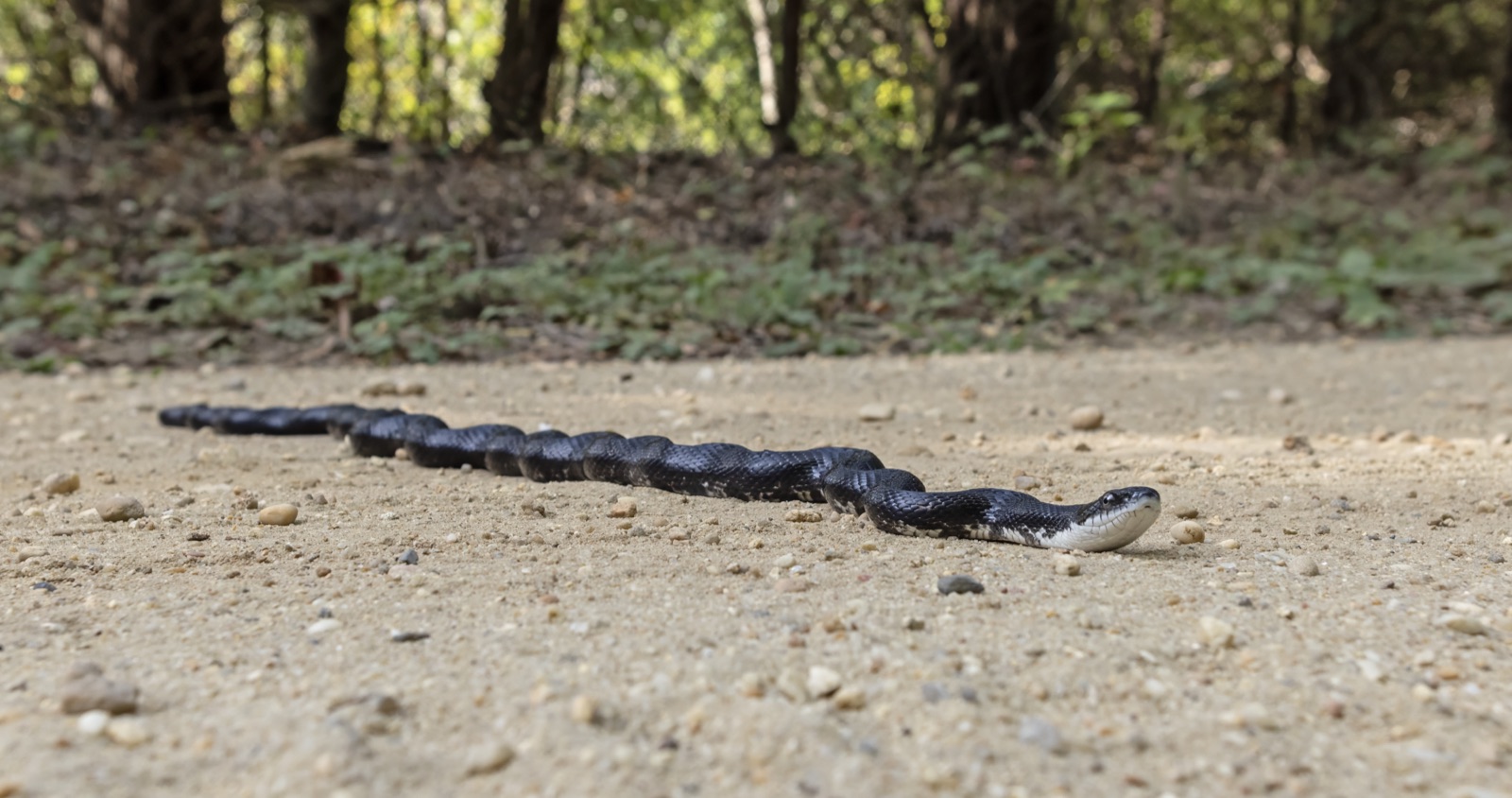
A widespread myth about snakes is that they will only strike at moving, living prey. In reality, many wild snake species are opportunistic feeders that will readily consume dead animals when the opportunity arises. While hunting live prey is their primary strategy, scavenging allows a snake to obtain essential calories without risking injury or expending the massive amount of physical energy required to stalk, overpower, or envenomate a struggling animal.
Snakes rely heavily on their chemical senses rather than visual movement alone to evaluate potential food. Using their forked tongue and the vomeronasal organ located in the roof of their mouth, snakes continuously sample the air for chemical cues. The scent of blood, skin lipids, and fresh animal tissue can trigger a feeding response just as effectively as the sight of a running rodent. When a hungry snake follows a scent trail to a small bird or mammal that recently died, it will often test the item with tongue flicks before swallowing it whole.
Herpetologists have documented scavenging behavior across a wide range of snake families, including pit vipers, rat snakes, garter snakes, cobras, and water snakes. In rural and suburban environments, snakes frequently take advantage of roadkill, such as frogs, lizards, or small rodents that have been hit by vehicles. Water snakes are known to eat fish that have washed up on stream banks, and backyard rat snakes will occasionally scavenge dead chicks or small pests found near agricultural coops or barns.
While snakes are willing to eat dead prey, they are not suited for consuming putrid or advanced carrion. Mammalian scavengers like vultures or opossums have specialized digestive systems capable of handling high levels of bacterial decay, but snakes run a serious risk of digestive complications if they eat rotting meat. Consuming spoiled flesh can lead to dangerous bacterial infections in the gut or severe regurgitation, which can prove fatal to the snake. As a result, snakes generally limit their scavenging to animals that have died very recently.
In captivity, this scavenging instinct makes keeping snakes much safer and more humane. Almost all captive snakes in the pet trade are fed pre-killed, frozen-thawed rodents rather than live prey. This practice prevents the prey from biting or scratching the snake during feeding, demonstrating how easily a snake's feeding instincts adapt to non-living food items as long as the scent and temperature profile indicate a viable meal.
If you encounter a snake in your yard or on a trail, it is likely searching for food, shelter, or a warm spot to rest. The safest way to handle any snake sighting is to give the animal plenty of room and never attempt to touch or move it yourself. You can take a quick photograph from a safe distance and let SerpentID compare its visual patterns and head shape against native species in your area to determine whether it is harmless or venomous. If you identify a venomous snake near your home or living space, keep children and pets away and contact a licensed wildlife professional for safe removal.