


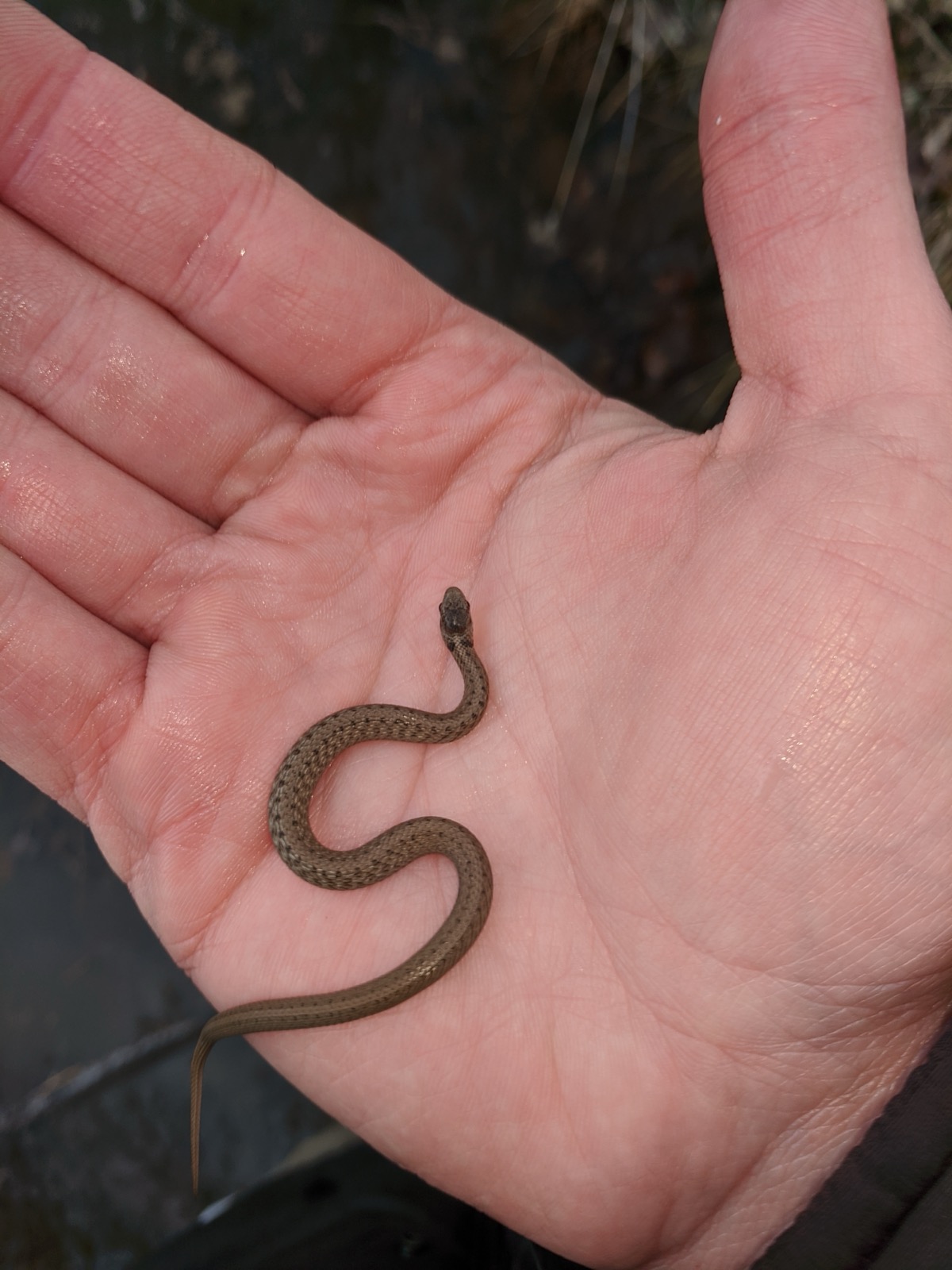
People type this question into search engines for a practical reason: they see a small snake in a flower bed or under a porch light swarming with moths and wonder whether it is there for the insects. The honest answer is that a minority of snake species eat invertebrates as a main part of their diet, while the majority do not. Every snake is a carnivore, but carnivore covers a lot of ground, and for some small species that ground includes crickets, caterpillars, spiders, centipedes, ant brood, slugs, and earthworms. Whether a particular snake eats bugs depends far more on its species and size than on what happens to be crawling nearby.
In North America, the clearest example of a true insect specialist is the rough green snake, a slender, bright green climber of shrubs and vines in the eastern and southern United States. Its diet is dominated by caterpillars, crickets, grasshoppers, spiders, and other soft-bodied arthropods it picks off leaves. Its close relative, the smooth green snake, eats much the same. Ground snakes and black-headed snakes, small burrowing species of the southern and western states, take centipedes, spiders, insect larvae, and in some cases scorpions. These are tiny, secretive animals that most homeowners never notice until they turn over a paver or a flat board.
Slugs and earthworms are not technically bugs, but people lump them together, and several common yard snakes rely on them heavily. Dekay's brown snakes and red-bellied snakes eat large numbers of slugs and snails, and they have specialized jaws that help them pull snails from their shells. Ring-necked snakes and many garter snakes take earthworms, and garter snakes are broad generalists that also eat amphibians, fish, and occasionally insects. This is one reason these small snakes turn up in moist mulch, compost edges, and irrigated garden beds: the slugs and worms they hunt thrive there.
The most specialized insect eaters are the blind snakes, which live in the United States, Australia, and India alike. They look like shiny earthworms, have tiny vestigial eyes, and spend most of their lives underground feeding mainly on the eggs, larvae, and pupae of ants and termites. The Brahminy blind snake, often called the flowerpot snake, has spread around the world in potting soil and is now found in parts of the southern United States, across India, and in northern Australia, where native Australian blind snakes also occur. These snakes are harmless to people, and they often surface after heavy rain or appear inside homes in potted plants, startling people who mistake them for baby snakes of a dangerous species.
A few points help separate fact from assumption. Larger snakes such as rat snakes, kingsnakes, pythons, cobras, and rattlesnakes do not rely on insects; their prey is vertebrates, and an insect-heavy yard does not attract them directly. However, insects can draw frogs, lizards, and rodents, and those animals can in turn draw larger snakes, including venomous ones. Some venomous species also eat insects on occasion; copperheads, for example, are well documented feeding on emerging cicadas in summer. So a snake near a bug-rich spot is not automatically a harmless insect specialist. It is also a myth that keeping snakes around will control mosquitoes, flies, or most household pests; the bug-eating species are small, few in number, and focused on particular prey.
The practical takeaway is that small snakes in gardens are very often harmless slug, worm, and insect hunters doing quiet pest control, and leaving them alone is usually the best choice. Still, appearance is a better guide than diet, and even then a guess is risky. If you spot a snake in your yard, keep your distance, keep children and pets back, and photograph it from a safe distance rather than moving closer. SerpentID can compare its markings, body shape, and coloration against the species likely to occur where you live. If the result points to a venomous species, contact your local wildlife service or a licensed snake removal professional, and never try to handle, move, or kill the snake yourself. If anyone is bitten, seek professional medical help immediately.