


Do snakes drink water is a question people rarely think to ask, perhaps because snakes are so often associated with dry, scaly skin and desert habitats. The answer is a clear yes: snakes are animals like any other and need to drink to survive. Even desert species that go long stretches between meals still require water, and a snake that cannot find any will eventually dehydrate just as a mammal would.
How snakes drink is more interesting than the fact that they do. A snake does not lap water with a tongue the way a dog does — its forked tongue is for smell, not drinking. Instead, many snakes dip the lower jaw into water and draw it in, using tiny channels and a sponge-like action in the mouth and a pumping motion of the throat to move water back and swallow it. Some species press their mouths to a wet surface and effectively wick the water up.
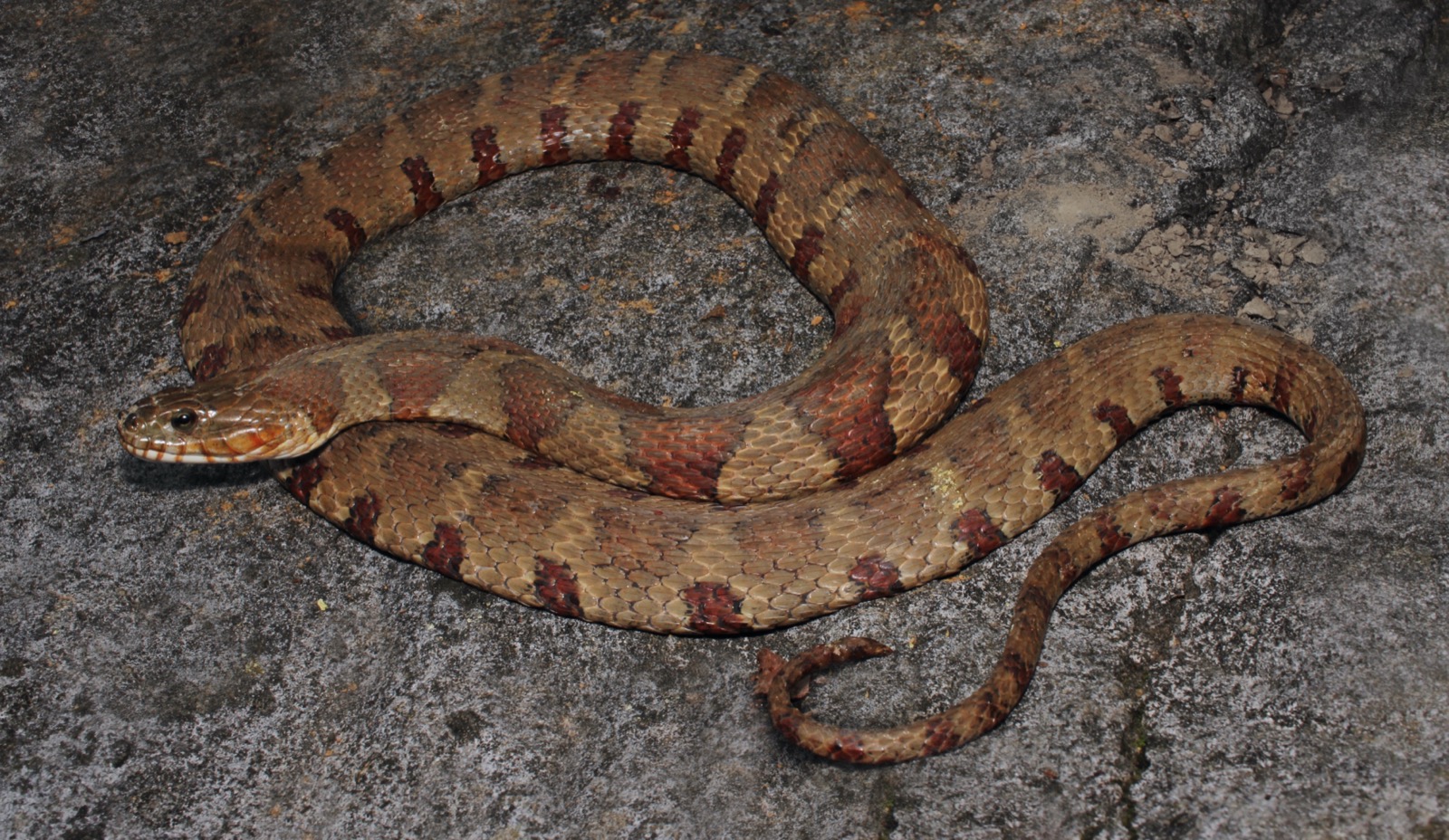
Snakes take advantage of water wherever it collects. A puddle after rain, a shallow dish, the dew on grass and leaves in the early morning, condensation on a coil of the snake's own body, and the edges of ponds and streams all serve as drinking sources. Species that live near water, like the water snake pictured above, drink readily, but even snakes from drier country will travel to and make full use of any reliable moisture they can find.
How often a snake drinks depends on the species, the temperature, and what it has eaten. Snakes also get some moisture from their prey, so a snake that has recently eaten a meal needs less standing water than one that is fasting. In hot, dry conditions a snake will drink more often and seek out water more actively, while a cool, inactive snake may go a considerable time between drinks without trouble.
For homeowners, the drinking angle matters because water is one of the three things that make a property attractive to snakes, alongside food and shelter. Dripping spigots, pet water bowls left outside, birdbaths, clogged gutters, pooling under hoses, and damp shaded corners all offer easy drinking and can pull snakes closer to a house — especially in dry weather when natural water is scarce. Reducing standing water is a quiet but effective way to make a yard less inviting.
If a snake turns up near a water source on your property and you want to know whether it is a harmless visitor or a species to be cautious around, photograph it from a safe distance and let SerpentID compare its markers against likely local species. If the result points to a venomous possibility, keep people and pets away from the water source and contact local wildlife help rather than trying to move the snake yourself.