


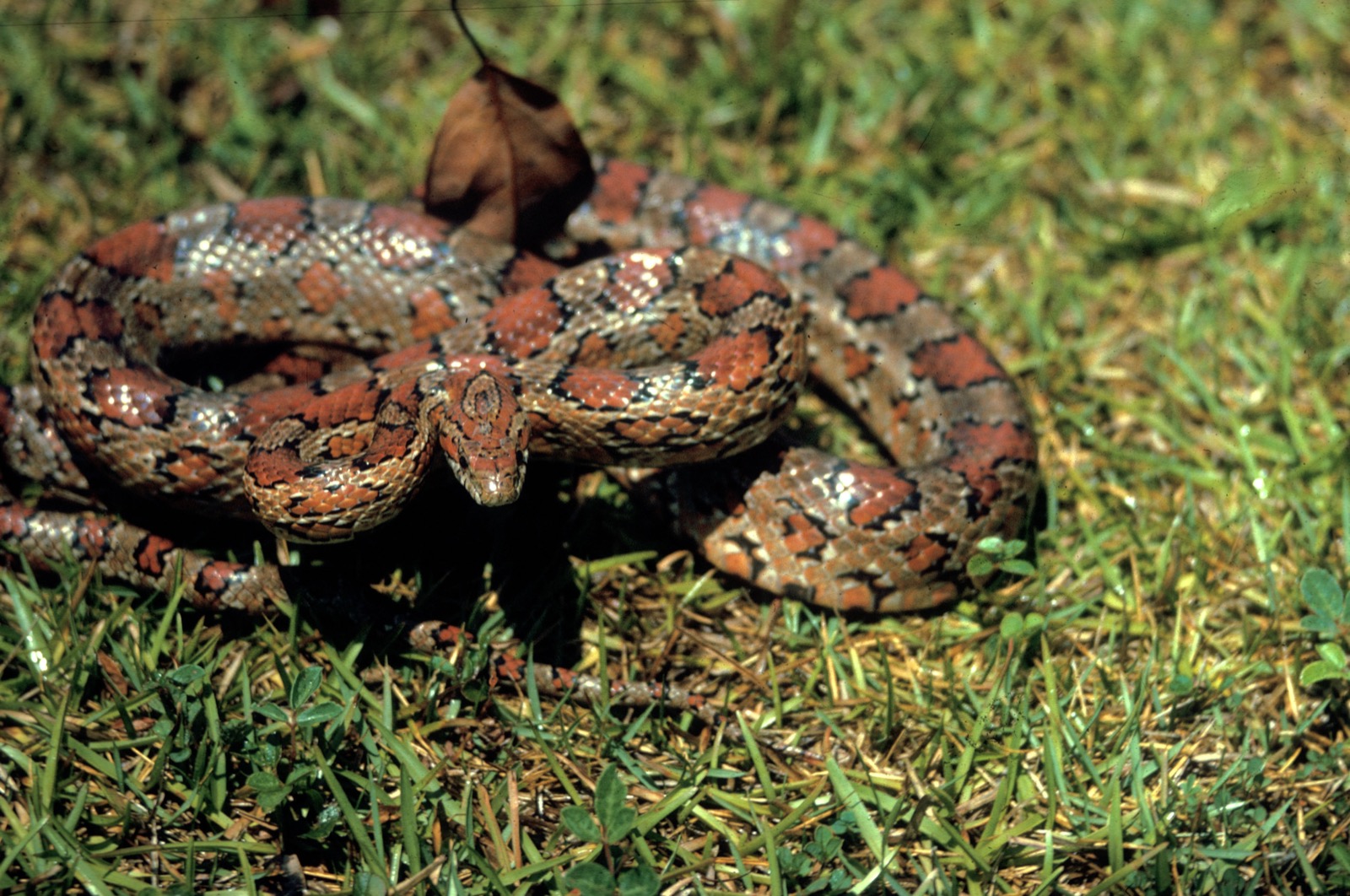
The image of a snake lapping up milk from a bowl is a surprisingly common and persistent myth, found in folklore and popular culture across many parts of the world, including India where it's linked to certain religious festivals. However, the simple and unequivocal truth is that snakes do not drink milk and, furthermore, cannot digest it. Their unique biology and dietary needs are entirely incompatible with dairy products, making any consumption of milk not only unnatural but actively harmful to their health.
Snakes are obligate carnivores, meaning their diet is composed exclusively of animal prey. Depending on the species, this can range from insects, slugs, and worms for smaller snakes, to rodents, birds, fish, amphibians, and even other reptiles for larger ones. Their entire digestive system, from their flexible jaws designed to swallow whole prey to their powerful stomach acids and enzymes, is finely tuned to break down proteins, fats, and bones from animal tissue. This specialized anatomy and physiology leave no room for plant matter or dairy products.
The widespread belief in snakes drinking milk often stems from cultural practices or misinterpretations of snake behavior. In many regions, particularly during festivals like Nag Panchami in India, milk is traditionally offered to snakes as a sign of reverence. While these intentions may be sincere, the snakes presented in these ceremonies are often dehydrated, starving, and stressed, having been captured and deprived of water. Any apparent 'drinking' of milk is usually a desperate attempt to rehydrate, consuming whatever liquid is available, even if it is detrimental to their health.
From a physiological standpoint, snakes lack the necessary enzymes, such as lactase, to break down lactose, the primary sugar found in milk. Just as many adult humans are lactose intolerant, snakes are universally so, but to a far more severe degree. Consuming milk causes significant gastrointestinal distress, including bloating, diarrhea, and severe dehydration. Instead of providing nourishment, milk acts as a laxative and a source of indigestible sugars that disrupt their finely balanced internal systems.
The consequences of forcing milk upon a snake can be dire. The severe dehydration caused by diarrhea can quickly become life-threatening, especially for a wild animal already under stress. Furthermore, snakes can aspirate liquids, meaning milk can enter their lungs, leading to pneumonia, a serious and often fatal respiratory infection. Well-meaning but misinformed attempts to 'feed' or 'hydrate' snakes with milk ultimately cause suffering and often contribute to their demise, underscoring the importance of understanding their true biological requirements.
For hydration, snakes require only clean, fresh water, which they typically find in dew, puddles, or natural water bodies. Some species may also obtain sufficient moisture directly from the bodies of their prey. Respecting a snake's natural diet and hydration needs is crucial for their welfare and for fostering a healthy coexistence with these fascinating reptiles. If you encounter a snake, observe it from a distance and appreciate its wild nature.
Encountering a snake in your yard or while exploring nature can be an exciting or startling experience. Rather than attempting to feed or interact with it, the safest and most responsible action is to identify the snake from a safe distance. Photographing it without getting too close allows the SerpentID app to compare its markings against likely local species. If the snake appears venomous or you are unsure, contact local wildlife services for guidance. Never attempt to handle, approach, or kill a snake, and if a bite occurs, seek professional medical help immediately.