


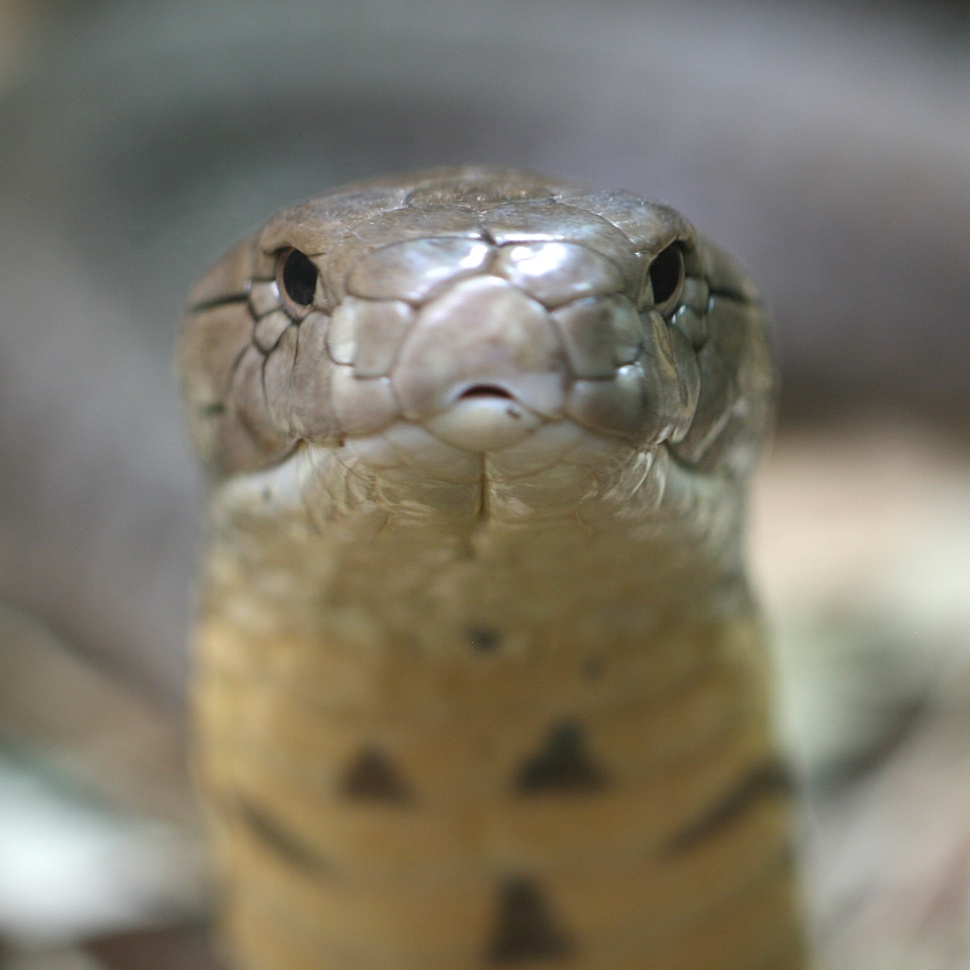
If you have ever heard a quick, sharp puff or wheeze from a snake, you might wonder if reptiles can cough the same way humans and dogs do. Strictly speaking, snakes cannot produce a true cough because they lack both a muscular diaphragm and an epiglottis. In mammals, a cough relies on build-up pressure against a closed vocal tract followed by a sudden diaphragm-driven release. Snakes, by contrast, rely on their intercostal rib muscles to expand and contract their long, linear body cavity, meaning any quick air expulsion works through a completely different biological mechanism.
Despite lacking the anatomical machinery for a true mammalian cough, snakes can and do forcefully eject air to clear their airways. At the floor of a snake's mouth sits the glottis, an opening connected directly to the trachea. When fluid, mucus, substrate, or dust obstructs this passage, the snake contracts its body muscles to force a swift rush of air out through the glottis. To human ears, this sudden pop, sharp gasp, or raspy huff sounds remarkably like a cough or a throat-clearing wheeze.
In wild environments, a snake might produce cough-like sounds if it accidentally inhales loose dirt, sand, or leaf fragments while crawling through burrows or hunting underground. It can also occur during or immediately after swallowing bulky prey, as the glottis is pushed forward to allow the snake to breathe while its throat is blocked. If water or digestive fluid enters the airway during feeding or drinking, the snake will purge the fluid with a series of distinct, rhythmic air bursts.
Persistent coughing or wet wheezing sounds are frequently linked to respiratory infections, which are common when snakes experience prolonged stress, extreme temperature swings, or damp environments. When bacteria or fungi take hold in a serpent's lung, thick mucus accumulates inside the trachea. The snake will repeatedly force air through its glottis to clear the blockage, often accompanied by open-mouth breathing or bubbles visible around the mouth and nostrils.
It is also important to distinguish a clearing expulsion from intentional defensive sounds. Many species, including hognose snakes, bullsnakes, and pine snakes, inflate their bodies and violently vent air when startled to make themselves sound larger and more threatening. This defensive puffing can easily be confused with a cough, but it is a conscious behavioral display rather than an involuntary respiratory reflex.
If you encounter a wild snake making unusual huffing or rasping sounds, keep your distance and avoid attempting to inspect its mouth or body. If you want to know what species you are dealing with, take a clear photo from a safe distance and upload it to SerpentID. The app compares scale patterns, color bands, and physical traits against native species in your region so you can identify the snake without taking unnecessary risks. If you suspect a venomous snake is nearby or trapped on your property, always leave it alone and contact local wildlife professionals.