


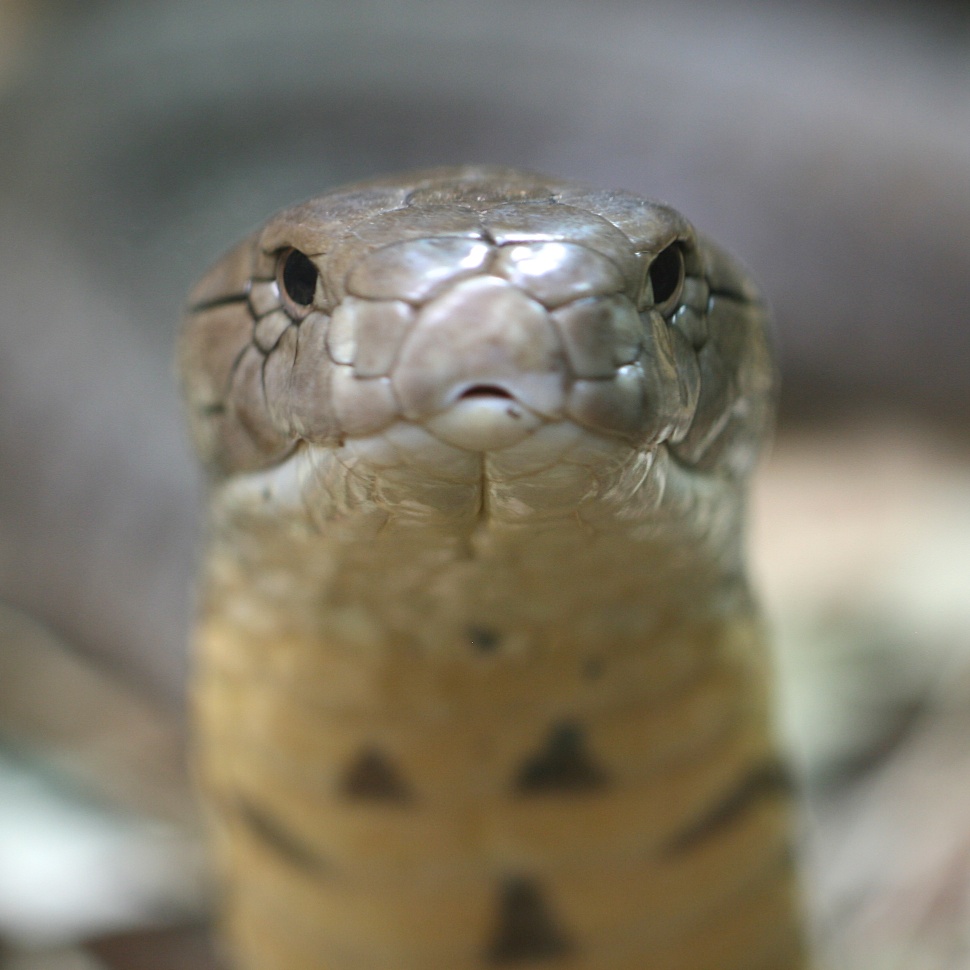
The idea of a snake intentionally ending its own life by biting itself is a persistent myth that has circulated for generations. The simple and direct answer, supported by extensive scientific observation, is no: snakes do not commit suicide. Their fundamental biological drives are centered on survival, reproduction, and finding food, making the concept of deliberate self-harm entirely inconsistent with their nature.
Observations that lead people to believe in 'snake suicide' are usually misinterpreted signs of severe distress. When a snake bites itself, it is almost always a reaction to extreme discomfort, confusion, or a neurological malfunction. This can be triggered by a range of factors, including overheating, exposure to toxic chemicals or pesticides, severe injury, or overwhelming illness. In these critical situations, a snake’s natural instincts can become disoriented, leading to erratic and self-injurious behavior.
Another common misconception tied to this myth involves the snake's own venom. Many assume that if a venomous snake bites itself, it would succumb to its own potent toxins. However, most venomous snake species possess a remarkable physiological adaptation: a natural immunity to their own venom. While the mechanical act of biting can cause tissue damage and open the door to infection, the venom itself is typically not fatal to the snake that produced it. The venom is specifically evolved to incapacitate prey, not to harm the snake itself, even in accidental self-envenomation.
Snakes, like all animals, are governed by instincts that promote self-preservation. Their 'intelligence' is geared towards navigating their environment, hunting, escaping predators, and reproducing. There is no evidence in herpetological studies to suggest that snakes possess the cognitive capacity for complex emotional states like despair or the conscious decision-making required for suicide. Their actions are direct responses to stimuli, driven by ancient survival mechanisms.
Self-biting incidents, though rare, are always a clear indicator that something is severely wrong with the snake. It could be suffering from a parasitic infestation affecting its brain, a severe bacterial infection, or the effects of neurotoxic substances in its environment. A snake in such a compromised state may lash out indiscriminately, striking at anything, including its own body, as it struggles to cope with internal or external pain and confusion.
It is crucial to understand that these instances are not acts of will but rather involuntary, desperate reactions to overwhelming physiological or environmental stress. The snake is not choosing to die; it is struggling to survive in a situation where its normal coping mechanisms have failed or been overridden.
If you ever encounter a snake exhibiting unusual or distressed behavior, it's a sign to give it space. Never attempt to handle or intervene with a snake that appears disoriented or unwell. Instead, maintain a safe distance and, if possible, take a clear photograph. The SerpentID app can help you identify the species, and armed with that knowledge, you can contact local wildlife authorities or a professional snake catcher. They are equipped to assess the situation safely and provide appropriate assistance, ensuring both your safety and the snake's well-being.