


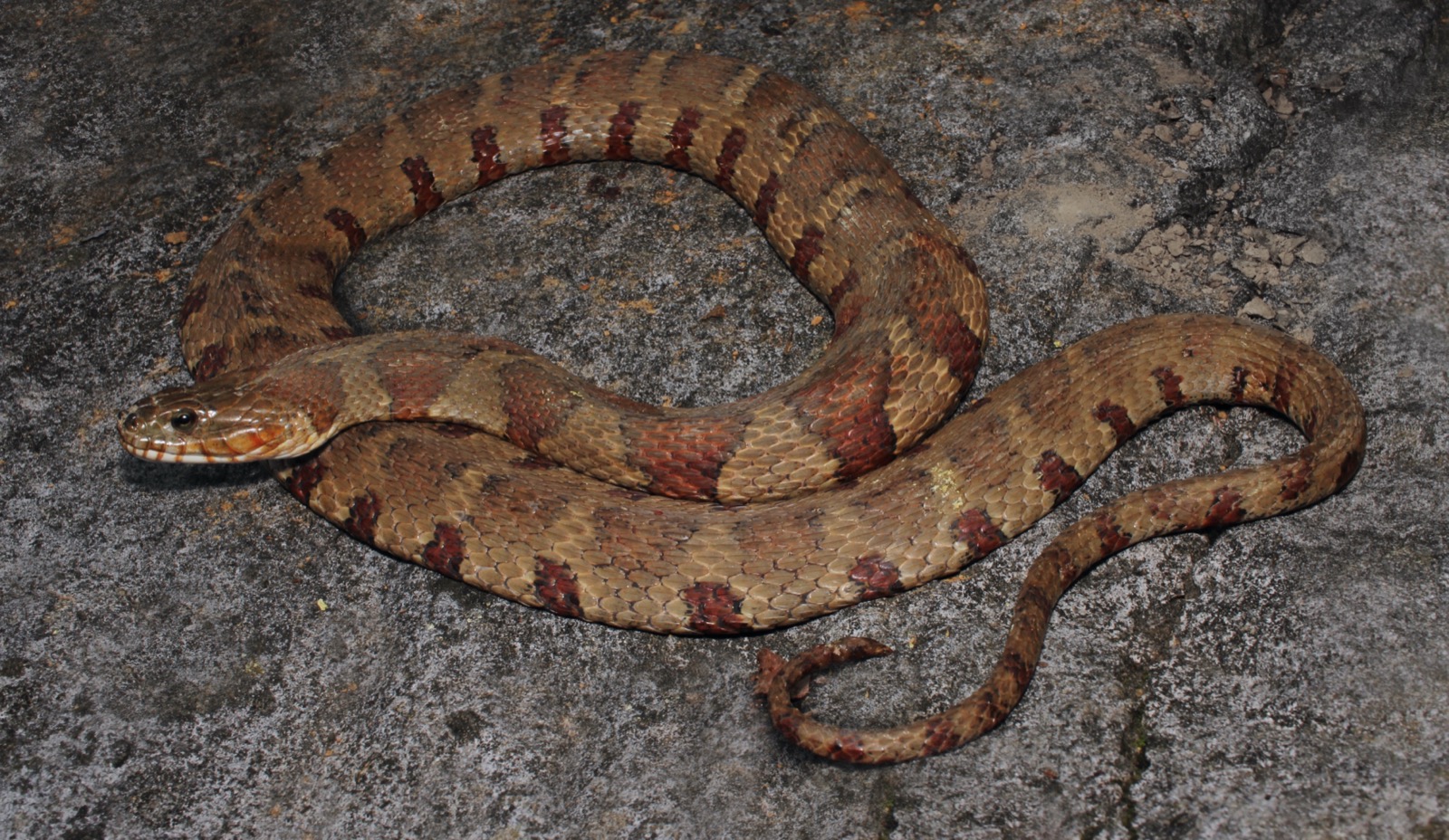
The question of whether snakes come out in the rain is a common one, and the answer is nuanced, depending largely on the type and intensity of the rainfall, as well as the specific snake species and its environment. As ectothermic animals, snakes rely on external sources to regulate their body temperature. This fundamental biological trait means that weather conditions, including rain, profoundly influence their activity levels and behavior. Generally, snakes are not averse to getting wet, and certain rainy conditions can actually stimulate them to be more active.
During light, warm rain or in the humid aftermath of a shower, many snake species become more active. This is often due to a few factors: the rain can cool down an overheated ground surface, making it more comfortable for snakes to move about, particularly after a hot spell. Additionally, rain often brings out prey species such as frogs, toads, slugs, and worms, providing an excellent hunting opportunity. Snakes that primarily feed on amphibians, like many garter snakes or water snakes, may actively seek out these conditions to forage. The increased moisture can also make it easier for snakes to shed their skin, as humidity aids the process.
However, heavy downpours or cold, prolonged rain can have the opposite effect, driving snakes to seek shelter. Intense rain can flood burrows and hiding spots, posing a risk of drowning or hypothermia, especially for smaller or less robust species. In such conditions, snakes will typically retreat to higher ground, dense vegetation, rock crevices, or man-made structures like sheds and porches to escape the deluge. This is why you might sometimes see a snake in an unexpected place after a severe storm – it's seeking refuge, not necessarily enjoying the wet.
Different snake species exhibit varying tolerances and preferences for moisture. Aquatic and semi-aquatic snakes, such as water snakes or cottonmouths, are naturally more comfortable and active in wet environments, including during rain. Their physiology is well-adapted to life in and around water. Conversely, desert-dwelling species, while still seeking shelter from extreme heat, might be more cautious about rain, as rapid cooling could be detrimental in their typically arid habitats. Their activity might increase during lighter, warmer rains that don't pose a significant thermal threat.
It's a common misconception that snakes are 'washed out' of their homes and end up in unusual places by accident during rain. While heavy rain can displace them from flooded burrows, snakes are generally quite capable of navigating their environment and will deliberately seek out suitable shelter or hunting grounds. Their movements during or after rain are usually purposeful, driven by the need for warmth, food, or safety. Attributing their presence solely to being 'washed out' underestimates their adaptability and active decision-making.
Understanding how weather, particularly rain, influences snake behavior is key to coexisting safely with these fascinating reptiles. Knowing that snakes might be more active during warm, humid conditions or after light rain can help you be more aware of your surroundings when outdoors. If you're gardening, hiking, or spending time near water bodies during these times, it's wise to be a little more vigilant, paying attention to where you step or place your hands.
Should you encounter a snake in your yard or on a trail, regardless of the weather, always maintain a safe distance. Never attempt to approach, handle, or harm the snake. Instead, take a clear photograph from a safe distance and use the SerpentID app to identify the species. If the snake is venomous or you are unsure, contact your local wildlife services for professional assistance.