


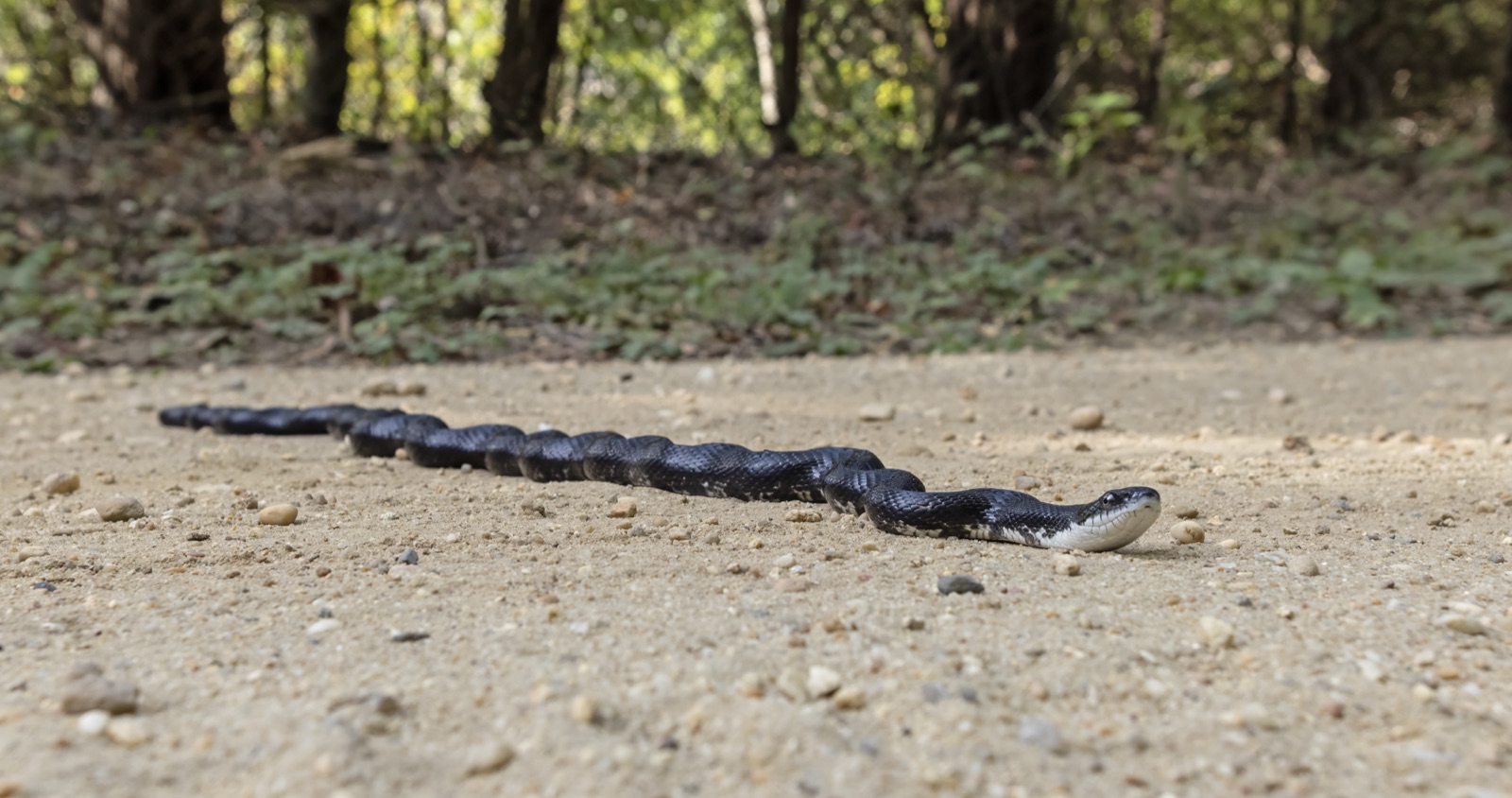
When a snake turns up in a yard, garage, or garden, many people's first instinct is to have it carried off and released somewhere else. It feels like a tidy, humane solution. The trouble is that snakes are not random visitors. Most adult snakes live within a home range they know well, with familiar basking spots, hiding places, hunting areas, and in colder regions a winter den they may use year after year. Moving a snake out of that space does not erase its connection to it, and that is why the question of whether relocated snakes come back has a more complicated answer than most people expect.
Field studies on several species, including rattlesnakes in the United States and various elapids in Australia, have tracked translocated snakes with radio transmitters. A consistent pattern shows up. Snakes released a short distance away, often within a few hundred meters to a kilometer or so, frequently return to the area where they were caught, sometimes within days or weeks. Snakes appear to navigate using a combination of scent cues, familiar landmarks, and possibly the position of the sun, so a short move can simply mean a short trip home.
Moving a snake much farther away creates a different problem. Long-distance translocated snakes often behave as if they are lost. Researchers have recorded them making long, erratic movements, crossing roads, and spending more time exposed in the open. Those behaviors raise their risk of being hit by cars, taken by predators, or killed by people. In temperate climates, a snake dropped into unfamiliar country in late summer or autumn may fail to find a suitable place to survive the winter. Several studies have found noticeably lower survival in translocated snakes than in snakes left within their own range, which is why many wildlife agencies discourage long-distance moves.
There are also wider ecological concerns. Releasing a snake into a new area can introduce parasites or diseases, such as snake fungal disease in parts of North America, into populations that have not encountered them. It can also place a snake into habitat that is already occupied, adding competition, or into an area where it is unwanted and likely to be killed. In many states and in Australia and India, native snakes are protected, and capturing or moving them may require a permit or a licensed handler. Rules differ widely by location, so it is worth checking with your local wildlife authority before anyone attempts removal.
None of this means a snake should never be moved. A venomous snake inside a home, a school, or a busy public space is a genuine safety concern, and licensed snake catchers, wildlife rescuers, and animal control officers relocate snakes routinely for that reason. They usually release them nearby in suitable habitat, balancing human safety with the snake's chances of survival. What it does mean is that homeowners should never try to catch, bag, or carry a snake themselves. Most bites happen when people try to handle, move, or kill a snake. For the common harmless snakes that pass through yards, the more lasting fix is to make the property less appealing by clearing debris piles, sealing gaps around foundations, keeping grass short, and reducing the rodents that draw snakes in the first place. A snake that finds no food or shelter will usually move on by itself.
Before deciding whether a snake needs professional removal at all, it helps to know what it is. Keep at least a couple of body lengths back, take a clear photo from a safe distance, and let SerpentID compare its markings against the species most likely in your area. Many visitors turn out to be harmless rodent hunters that are best left alone. If the snake is identified as venomous, or you cannot tell, keep people and pets away from it and contact your local wildlife service or a licensed snake catcher. If anyone is bitten, seek professional medical help immediately.