


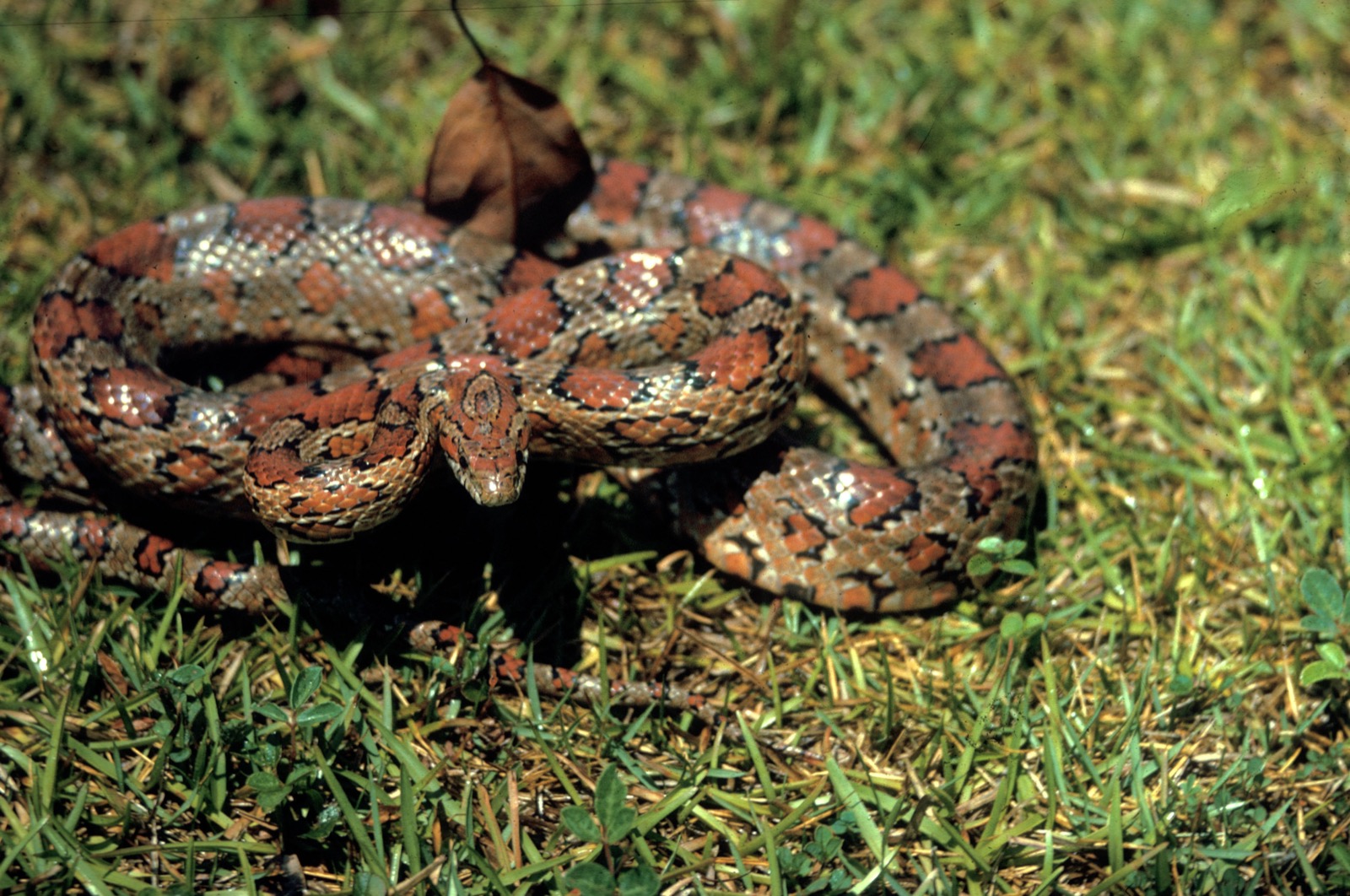
Many people wonder if a common fence can keep snakes out of their yard, and the straightforward answer is that most fences are not a complete barrier to snakes. While a fence might deter some snakes or slow them down, many species possess remarkable climbing abilities that allow them to scale various surfaces, including typical garden and property fences. Understanding how and why snakes climb can help homeowners better assess their yard security and implement more effective prevention strategies.
Snakes navigate vertical surfaces by utilizing their powerful muscles and specialized belly scales, known as ventral scales. These broad, overlapping scales create friction and grip points, much like tiny treads, allowing the snake to push off rough textures. When a snake encounters a fence, especially one made of wood, brick, stone, or even chain link, it can flex its body, creating 'S' curves that press against the surface, and then use its ventral scales to find purchase and propel itself upwards. This combination of strength, flexibility, and unique scale structure makes many snakes surprisingly adept climbers.
The effectiveness of a fence as a snake barrier largely depends on its material and construction. Wooden fences, with their rough surfaces and potential gaps between planks, offer numerous gripping opportunities for snakes. Chain-link fences, with their open weave, provide an almost ladder-like structure that many snakes can easily ascend. Even fences made of smoother materials like vinyl or metal can be breached if there are small gaps, cracks, or if vegetation, trellises, or other structures provide a bridge or rough surface nearby. A perfectly smooth, solid fence with no gaps might be more challenging, but few residential fences meet this ideal.
Several factors influence a snake's ability to climb a fence. Smaller, lighter snakes may find it easier to navigate tight spaces and small imperfections. Arboreal (tree-dwelling) species are naturally excellent climbers, but even many terrestrial snakes are capable. The presence of vegetation growing on or near the fence can also provide an easy pathway; vines, shrubs, or overhanging branches can act as natural ramps or bridges. Furthermore, the motivation of the snake plays a role—whether it's seeking shelter, prey, or a mate, a determined snake will often find a way to overcome obstacles.
For homeowners concerned about snakes, relying solely on a standard fence is often insufficient. To make a fence more snake-resistant, consider modifications such as burying the bottom edge of the fence a few inches into the ground and ensuring there are no gaps wider than a quarter-inch. Attaching a smooth, solid barrier, like sheet metal or hardware cloth with a very fine mesh, to the lower portion of the fence can also make it more difficult for snakes to gain purchase. Additionally, keeping vegetation trimmed away from the fence line and removing potential hiding spots and prey sources in the yard are crucial steps in making your property less attractive to snakes.
Ultimately, while some modifications can reduce the likelihood of snakes climbing over or under fences, no fence can be considered entirely snake-proof. The best approach to snake safety is always awareness and respect for these animals. If you encounter a snake in your yard or near a fence, maintain a safe distance and observe it calmly. Do not attempt to handle or provoke it. Instead, take a clear photo from a safe distance and use the SerpentID app to identify the species. If it's a venomous snake or you're unsure, contact local wildlife services for assistance, ensuring safety for both you and the snake.