


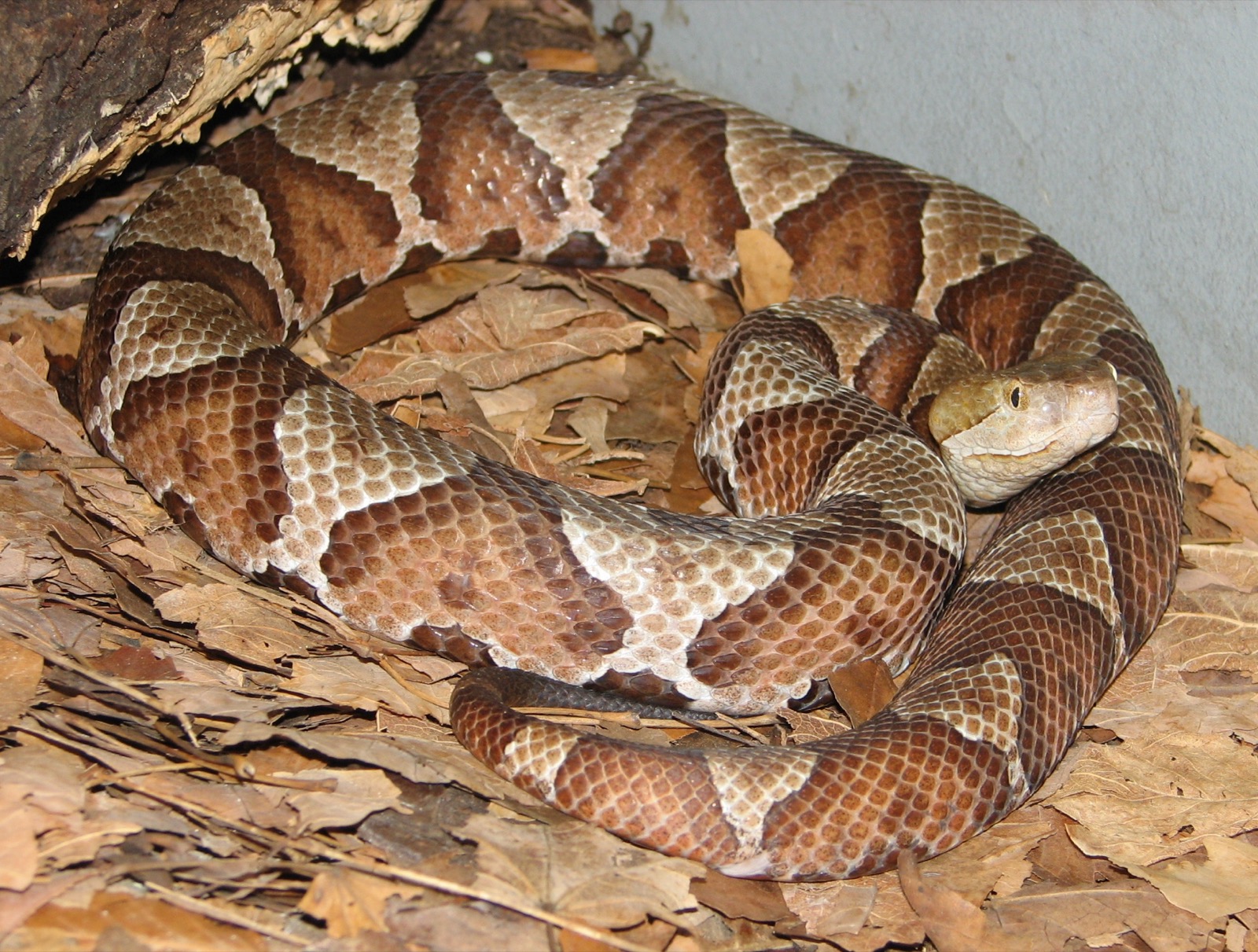
Snakes, being ectothermic, rely heavily on their environment to regulate body temperature. Burrows, crevices, and dense ground cover provide essential microclimates—cool relief from summer heat and insulated warmth during colder months. While few snake species are truly fossorial (digging their own extensive tunnels), most are opportunistic, readily utilizing existing underground structures. This behavior is fundamental to their survival and influences where we encounter them.
The primary reasons snakes seek underground refuge are thermoregulation and shelter from predators. During scorching summer days, a snake can retreat into a cooler burrow to prevent overheating. Conversely, as temperatures drop in autumn, burrows offer insulation, protecting them from frost and allowing for brumation—a reptile's form of hibernation. These subterranean havens also offer protection from birds of prey, mammals, and even human disturbance, providing a sense of security for these often-vulnerable reptiles.
Snakes are not typically architects of elaborate underground networks. Instead, they are masterful opportunists. They commonly inhabit abandoned rodent burrows, such as those made by mice, rats, or gophers. Natural rock crevices, gaps under logs or concrete slabs, and even dense root systems of plants can serve the same purpose. In urban and suburban areas, snakes might even exploit human-made structures, finding refuge in foundations, retaining walls, or piles of debris.
Beyond shelter and temperature control, burrows are also prime hunting grounds. Many of the rodents that dig these tunnels are a snake's natural prey. By occupying a rodent burrow, a snake gains a strategic advantage, lying in wait for an unsuspecting meal to return home. This makes areas with high rodent activity particularly attractive to snakes, creating a hidden ecosystem beneath our feet.
Snake activity related to burrowing often peaks during transitional seasons. In spring, snakes emerge from brumation burrows, and in fall, they seek new ones for winter. During these times, and especially in areas with abundant ground cover or rock formations, the chances of encountering a snake near its hidden retreat increase. Disturbing these areas—whether gardening, hiking, or moving debris—can inadvertently lead to a close encounter.
A common misconception is that all snakes found underground are dangerous. While some venomous species do use burrows, many harmless species also rely on them. Furthermore, the idea that a snake "lives" in a specific burrow for its entire life is often untrue; snakes are nomadic and will move between various shelters as conditions or food availability change. The key takeaway is that any hidden space, whether a burrow, log, or dense bush, should be approached with caution.
When working in your yard, hiking, or exploring areas with potential snake habitat, always be mindful of where you place your hands and feet. Avoid reaching into dark, unseen spaces, and wear appropriate protective footwear. If you encounter a snake near a burrow or any other hiding spot, maintain a safe distance. Photographing the snake from afar allows SerpentID to help identify the species, ensuring you understand whether it's a harmless resident or a venomous snake that requires professional wildlife services to manage.