


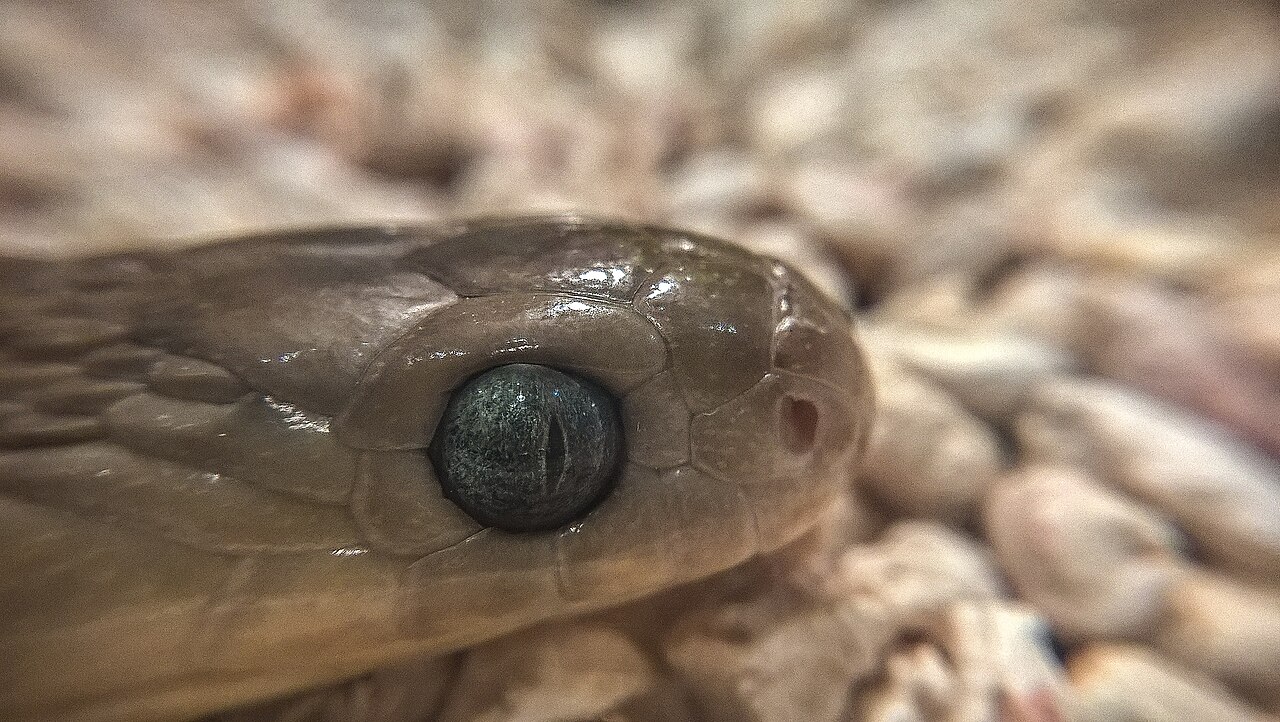
Shedding skin, scientifically known as ecdysis, is a necessary biological process that allows snakes to grow and replace worn outer tissue. However, it is also one of the most vulnerable periods in a snake's life. During the days leading up to a shed, physiological changes temporarily weaken the animal's primary senses and physical stamina. As a result, wild snakes encountered during this cycle often display heightened irritability and a much lower tolerance for perceived threats than they normally would.
The primary reason snakes become quick to strike during shedding is the temporary loss of clear vision. Before shedding, lymph fluid lubricates the layer between the old skin and the fresh scale underneath. This fluid builds up beneath the ocular spectacle—the clear scale covering the eye—causing the eyes to turn a cloudy, milky blue color. During this so-called blue phase, a snake cannot discern shapes or movement clearly. Unable to tell whether an approaching figure is a harmless passerby or a hungry predator, the snake defaults to its strongest survival strategy: striking at sudden shadows and movement.
In addition to visual impairment, a shedding snake experiences increased physical discomfort and reduced mobility. As the old skin separates, it tightens across the snake's body, restricting quick movement and making the reptile feel sluggish. Because snakes rely on fast slithering or camouflage to evade danger, feeling physically compromised leaves them with defensive strikes as their primary line of protection. They are far more likely to hold their ground and coil into a striking posture rather than attempt a rapid retreat.
It is a common myth that snakes become inherently malicious or aggressively seek out fights while shedding. Herpetologists emphasize that shedding snakes do not become mean; rather, they are frightened and defensive. When left unmolested in dark, humid microhabitats like damp leaf litter, hollow logs, or under rocks, shedding snakes will almost always remain quiet and motionless to avoid detection. Defensive strikes only occur when a human or pet intrudes upon their personal space and triggers a panic response.
Once the fluid reabsorbs and the old skin peels away—a process usually lasting from a few days to a week—the snake regains clear vision and its typical behavioral baseline. If you notice a snake with dull, pale skin and cloudy eyes in your garden or on a hiking trail, the safest course of action is simply to give it a wide berth. Avoid poking around under boards, leaf piles, or rock crevices where a vulnerable snake might be resting quietly until its shed cycle completes.
If you encounter a snake in your yard or on a trail and need to know whether it poses a danger, keep a safe distance and snap a clear photo from several feet back. You can upload the image to SerpentID to quickly compare its markings, scale structure, and head features against native species in your region. If the snake turns out to be a venomous species, keep children and pets away from the area and contact a licensed local wildlife professional to relocate the animal safely.