


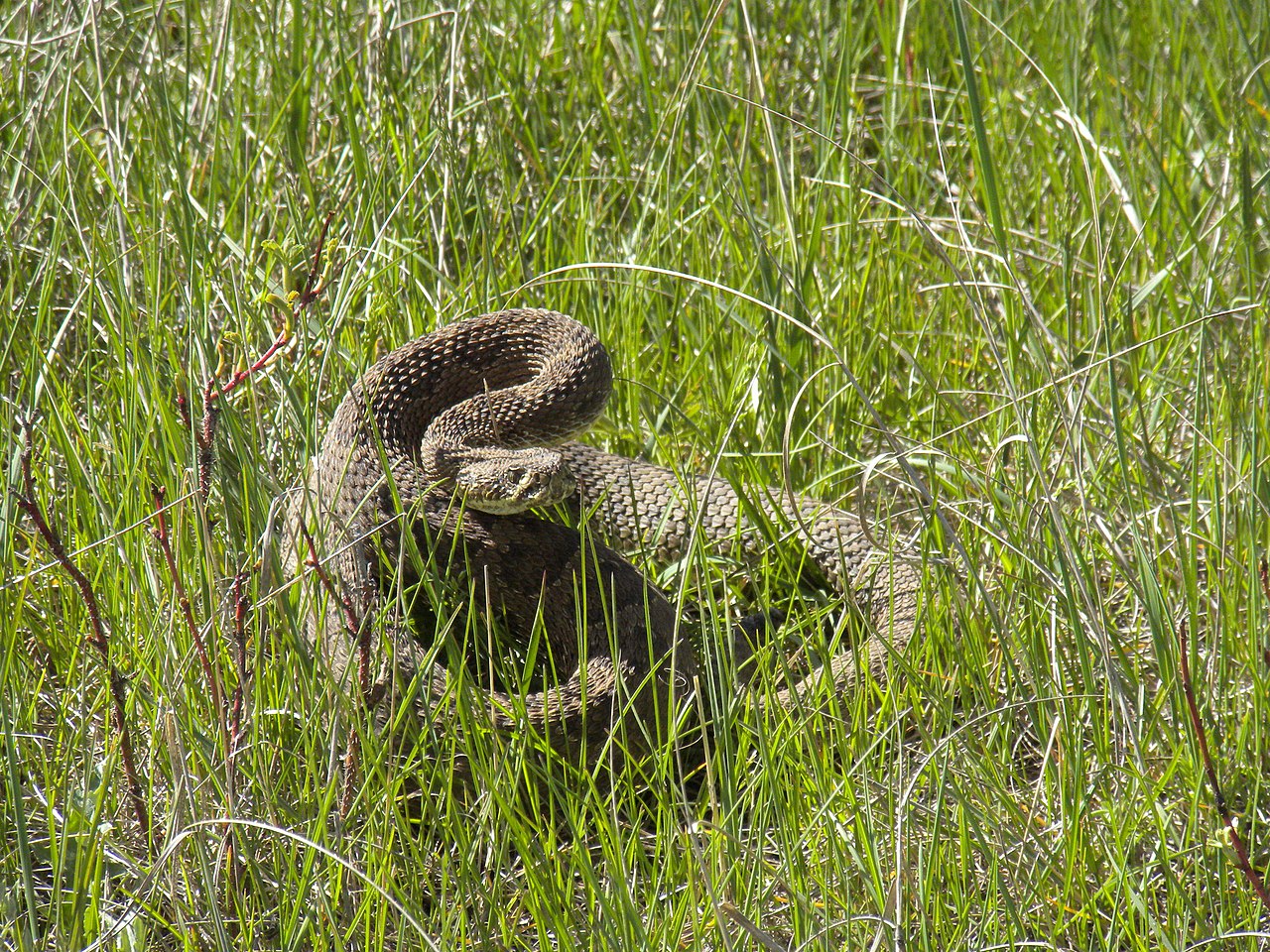
One of the most common questions people have about snakes, especially concerning safety, is whether they bite without provocation. The answer, in short, is yes, snakes often bite when they are surprised. However, it is crucial to understand that this is almost exclusively a defensive mechanism, not an act of aggression. Snakes are generally reclusive animals that prefer to avoid contact with humans and will go to great lengths to escape a perceived threat rather than engage in a confrontation. A bite is typically a last resort when escape is not an option.
Snakes rely heavily on camouflage and stillness to avoid predators and detect prey. Their senses, while keen for their environment, can be overwhelmed by sudden, unexpected movements or close proximity from a large animal like a human. When a snake is abruptly disturbed, it perceives an immediate, unidentifiable threat. Its instinctual response is to either freeze, flee, or defend itself. If it feels it cannot escape quickly or if the perceived threat is too close, its only remaining option is to strike in self-defense.
Most snake bites occur precisely because a human has inadvertently surprised a snake. Common scenarios include stepping on a snake while walking through tall grass, reaching into a woodpile or dense shrubbery without looking, or accidentally cornering a snake in a confined space like a garage or shed. In these situations, the snake has little to no warning and no clear path for retreat, leading it to react defensively to protect itself from what it perceives as an imminent attack.
While many snakes, particularly venomous species, will display warning signs before biting—such as rattling, hissing, coiling into an S-shape, or flattening their heads—these warnings often require a moment for the snake to assess the situation and prepare. If a snake is truly surprised, these crucial warning signals might be skipped entirely or happen so rapidly that a human does not have time to react or even register them. The suddenness of the encounter bypasses the snake's typical defensive escalation, leading directly to a bite.
Understanding that a snake's bite is a defensive act is key to preventing encounters. Our sudden movements, loud noises, or even just our silent, unsuspecting approach can be interpreted as a threat. By being mindful of our surroundings, especially in areas where snakes are known to live, we can avoid startling them. If you do spot a snake, moving slowly and deliberately, and giving it ample space, is the best way to allow it to recognize you are not a threat and to make its escape without feeling the need to defend itself.
To minimize the chances of surprising a snake, always be aware of your environment when outdoors. Stick to marked trails, watch where you place your hands and feet, especially when stepping over logs or rocks, and use a flashlight when walking at night. Wearing sturdy, closed-toe shoes or boots can also provide a layer of protection against accidental bites. These simple precautions significantly reduce the likelihood of an unexpected encounter that could lead to a defensive strike.
If you do encounter a snake, the safest approach is always to maintain a respectful distance and observe it from afar. Never attempt to approach, handle, or kill a snake, as these actions are the most common causes of bites. If you are unsure about the species or need assistance with a snake on your property, take a clear photo from a safe distance and use the SerpentID app to identify it. If it is venomous or you feel unsafe, contact local wildlife services or a professional snake catcher for safe removal.