


When walking through tall grass, brush, or rocky trails, many outdoor enthusiasts wonder whether wearing regular denim jeans provides sufficient protection against snake bites. The short answer is that denim is not completely snake-proof, but it offers far more protection than lightweight fabrics like linen, leggings, or athletic shorts. Herpetological studies examining snake strikes against various materials have shown that thick, loose-fitting denim can substantially reduce the success rate of a snake's bite mechanism.
The primary reason denim helps is related to fang length and mechanical resistance. Most venomous snakes in North America, such as copperheads and smaller rattlesnakes, have relatively short fangs ranging from a quarter inch to half an inch long. When a snake strikes at a loose pair of jeans, the outer layer of tough cotton canvas can snag the tip of the fang or force the snake to discharge its venom into the weave of the fabric before the tip reaches human skin. Even if the fangs manage to puncture the skin underneath, the presence of the cloth reduces the effective depth of the bite, often resulting in a scratch or a lighter envenomation.
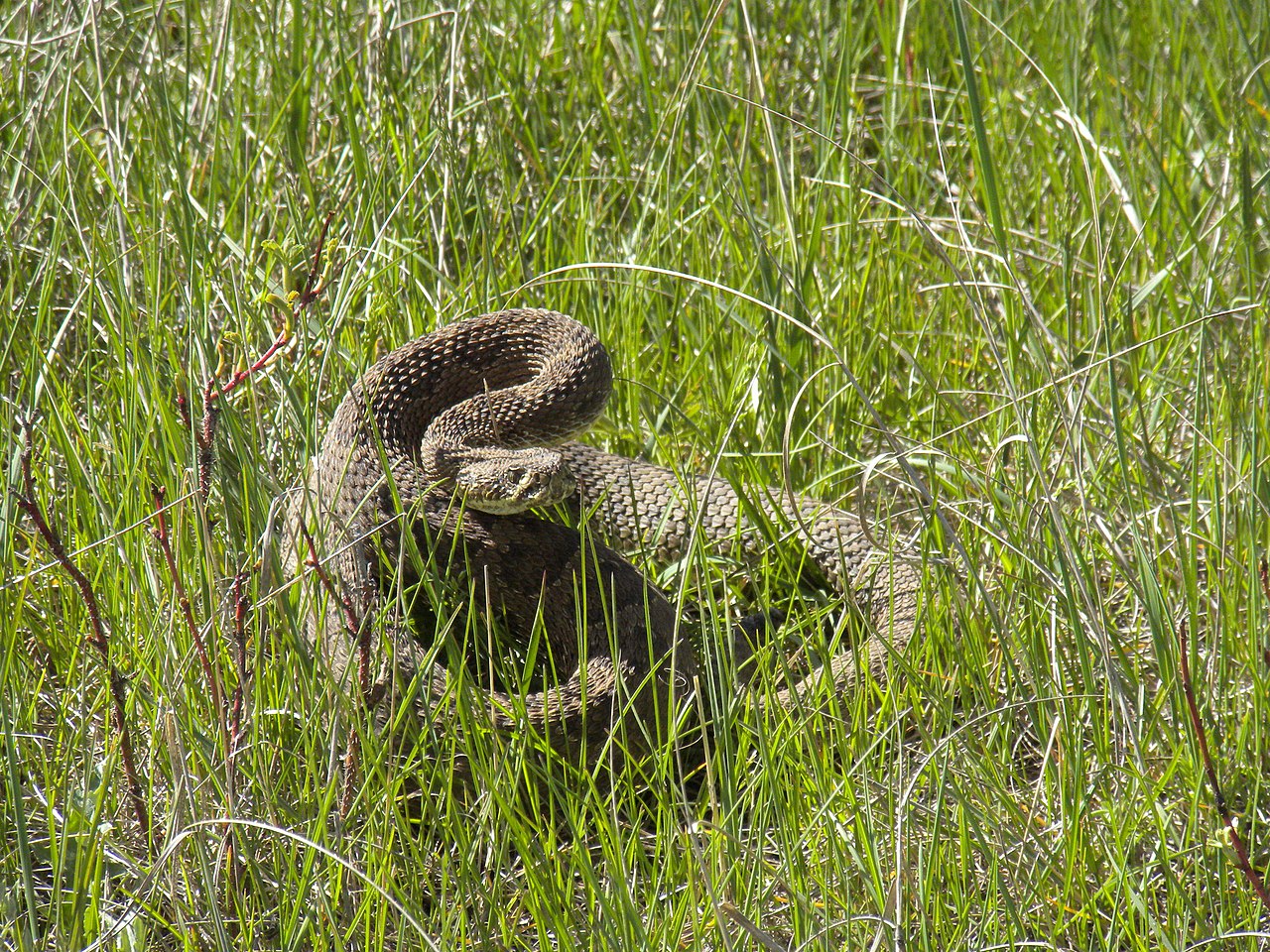
However, denim has clear limitations, especially when dealing with large pit vipers like mature eastern diamondback rattlesnakes or heavy-bodied cottonmouths. These larger specimens possess longer, robust fangs driven by powerful jaw muscles capable of easily piercing heavy cotton fabric, particularly if the jeans are stretched tight against the skin. Skin-tight denim or stretch jeans containing elastane offer significantly less defense because the fabric sits directly against the flesh, removing the protective air gap that loose-fitting pant legs provide.
For maximum protection during yard work, hiking, or field research, denim should be considered a secondary layer of defense rather than a complete solution. Pairing loose, heavy-grade denim pants with thick leather boots that extend past the ankle eliminates the most common target area for snake strikes, as the vast majority of bites to humans occur below the knee. In high-risk environments known for heavy pit viper populations, dedicated snake gaiters or specialized bite-resistant pants engineered with dense synthetic fibers offer guaranteed puncture resistance that standard blue jeans cannot match.
Understanding what a snake is capable of helps in making smart wardrobe choices before heading outdoors, but avoiding defensive strikes entirely remains the ultimate goal. If you encounter a snake while working or walking, maintain a respectful distance, avoid making sudden movements toward the animal, and let it move away on its own. Should you need to identify a snake quickly to assess potential risks, take a clear photo from a safe distance and allow SerpentID to analyze the pattern, coloration, and local species context; if you suspect a venomous snake poses an immediate danger on your property, contact professional wildlife control services.