


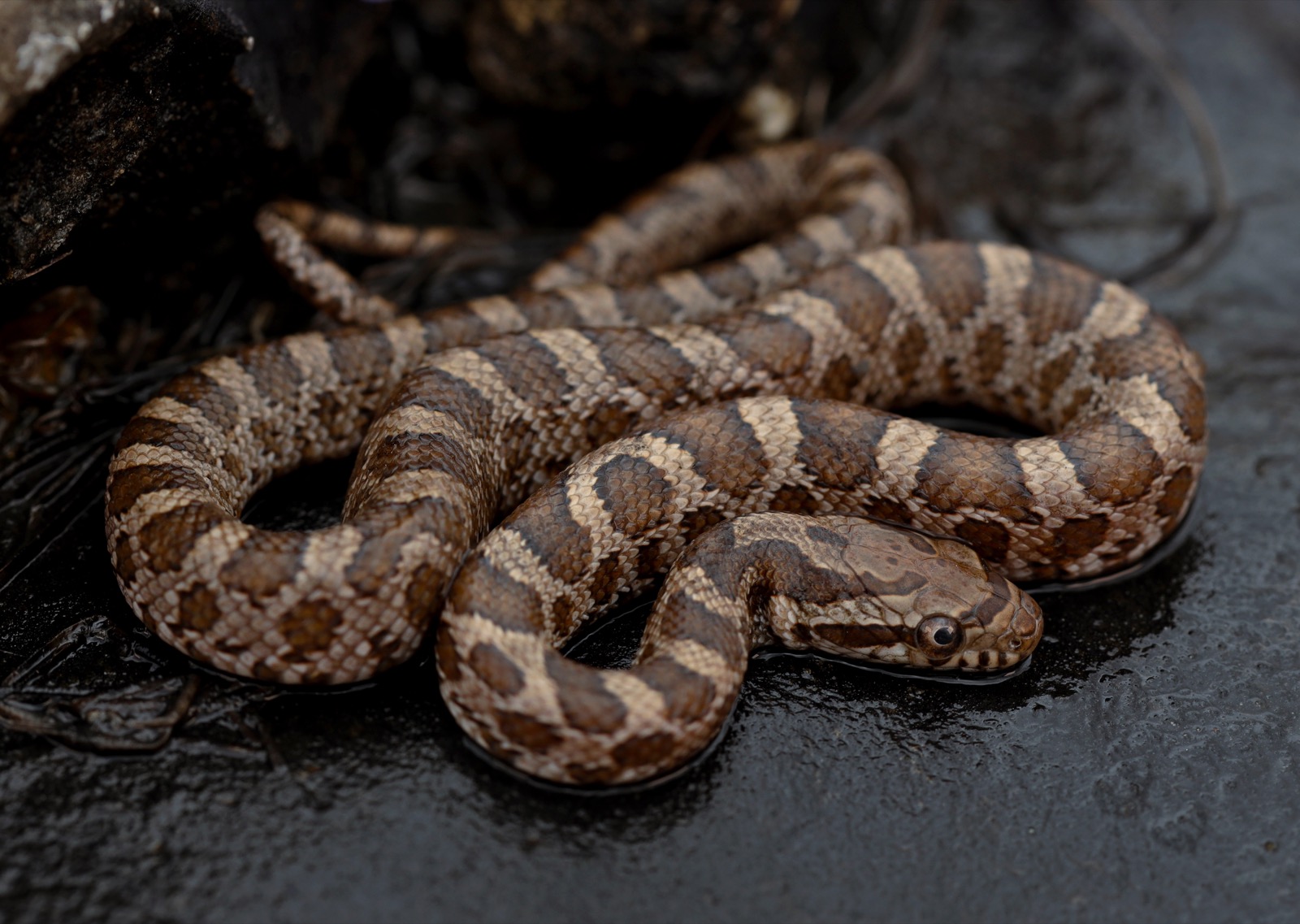
Snakes are fascinating creatures, and one of their most fundamental behaviors, often misunderstood, is basking. Unlike mammals and birds who generate their own internal body heat, snakes are ectothermic, commonly referred to as "cold-blooded." This means they rely entirely on external sources to regulate their body temperature. The sun, therefore, is not just a light source for a snake; it's a vital energy provider, essential for survival.
For a snake, maintaining an optimal body temperature is critical for nearly every bodily function. When a snake basks in the sun, it absorbs solar radiation, raising its internal temperature to a range that allows its metabolism to function efficiently. This warmth is necessary for proper digestion, which can be a slow process, especially after consuming a large meal. Adequate heat also enables their muscles to work effectively, allowing for agile movement, hunting, and escaping predators. Without sufficient warmth, a snake becomes sluggish and vulnerable.
You'll often find snakes basking in sunny, open areas like rocks, paved driveways, pathways, or even across roads. They tend to seek out these spots where they can absorb warmth directly from the sun or from surfaces that have been heated by it. Basking is most common during cooler parts of the day, such as mornings and late afternoons, or on overcast days when ambient temperatures are lower, as they need to actively seek out heat. After a substantial meal, a snake might bask for extended periods to aid digestion.
Understanding this behavior is crucial for human safety. Many snake encounters, and subsequent bites, occur when a person unknowingly steps on or gets too close to a basking snake. Because snakes often blend seamlessly with their environment, they can be difficult to spot, especially when stationary and absorbing warmth. A snake startled from its basking spot may react defensively, leading to an unexpected and potentially dangerous situation. This is particularly true on trails, in gardens, or near woodpiles where snakes might be seeking warmth.
It's important to dispel the myth that snakes bask out of leisure or enjoyment in the human sense. Their "sunbathing" is a functional necessity, not a recreational activity. They are not seeking out human interaction or trying to be seen; rather, they are simply trying to survive. Snakes are generally quite secretive and will usually try to avoid confrontation, but a sudden, close approach can trigger a defensive response, especially if they feel trapped or threatened.
To minimize the risk of encountering a basking snake, especially in areas known for snake activity, always be mindful of your surroundings. When walking on trails, through tall grass, or in areas with leaf litter, watch where you place your feet. Wearing appropriate footwear, such as closed-toe shoes or boots, can offer an additional layer of protection. If working in your yard or garden, be cautious when turning over rocks, logs, or moving debris, as these can be prime basking or hiding spots.
If you do encounter a snake basking, the best course of action is to give it ample space. Observe it from a safe distance and allow it to move away on its own. Never attempt to approach, handle, or provoke any snake, regardless of whether you believe it to be venomous or not. If you are unsure of the species, take a clear photograph from a safe distance and use the SerpentID app to identify it. If it’s a venomous species or a non-venomous snake that poses a risk to pets or people, contact local wildlife services for assistance.