


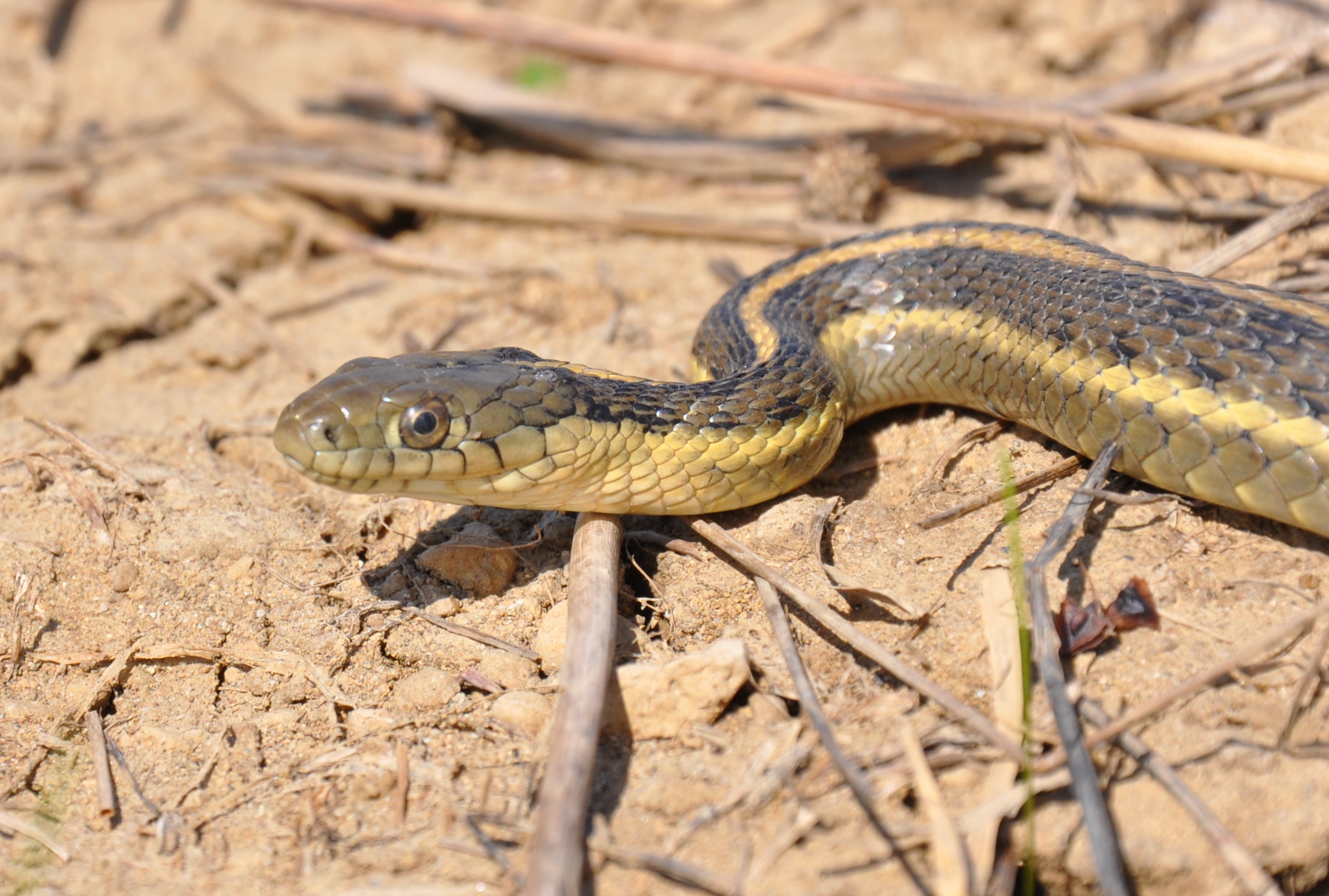
A common concern for pet owners living in areas where snakes are present is the potential for their dogs or cats to encounter these reptiles. It's a natural fear, but it's important to understand that snakes do not 'attack' pets in the way a predator hunts prey. Instead, nearly all snake-pet interactions stem from a defensive reaction by the snake. When a curious dog or cat approaches too closely, sniffs, or attempts to play with a snake, the snake perceives this as a threat and will strike in self-defense. This crucial distinction helps us approach prevention and response with a more accurate understanding of snake behavior.
Encounters often occur in yards, parks, or during walks where snakes might be basking, hunting, or simply moving through their habitat. Dogs, with their inquisitive natures and tendency to explore with their noses, are particularly vulnerable to surprising a hidden snake. Cats, being natural hunters, might also initiate an encounter, though their agility sometimes allows them to avoid bites more effectively. Understanding where and when these interactions are most likely to happen – often in tall grass, under bushes, near woodpiles, or close to water sources – is the first step in protecting your pets.
Preventative measures largely revolve around making your yard less appealing to snakes and minimizing opportunities for close contact. Keep your lawn mowed short and clear away leaf litter, brush piles, and any debris that could offer snakes shelter. Inspect and seal any gaps or holes in fences or foundations that snakes might use to enter your property. Additionally, be mindful of potential food sources that attract rodents, which in turn attract snakes. This means securing pet food and water bowls, especially if kept outdoors, and cleaning up any spilled food promptly.
Supervision is paramount when pets are outdoors, especially in known snake habitats or during warmer months when snakes are more active. Keeping dogs on a leash during walks and training them with commands like 'leave it' can be life-saving. For cats, confining them indoors or to secure outdoor enclosures can greatly reduce their risk of encountering snakes, as well as protecting local wildlife. These steps reduce the chance of your pet startling a snake and provoking a defensive strike.
Recognizing a snake's warning signs can also help prevent a bite, though pets may not heed these signals. Many venomous snakes will coil, hiss, or rattle their tails as a warning before striking. Non-venomous snakes may also flatten their bodies, strike defensively without biting, or even play dead. While your pet might not understand these cues, you, as the owner, can learn to identify them. If you see a snake, calmly and quickly remove your pet from the area, keeping a safe distance from the snake.
If your pet does encounter a snake, the most important thing is to separate them immediately without putting yourself at risk. Do not attempt to handle or kill the snake. Move your pet away and then observe the snake's location from a safe distance. If you suspect your pet has been bitten, or if it shows any signs of distress, seek veterinary attention immediately. Prompt professional medical care is critical in the event of a snakebite, as symptoms can worsen rapidly.
For identification purposes, if an encounter occurs, try to get a clear photograph of the snake from a safe distance. This visual information, captured without putting yourself or your pet in danger, can be invaluable for veterinarians in determining the best course of treatment. The SerpentID app can help you compare the snake's markings against likely local species, allowing you to quickly ascertain if the snake was venomous and what local wildlife services might need to be contacted.