


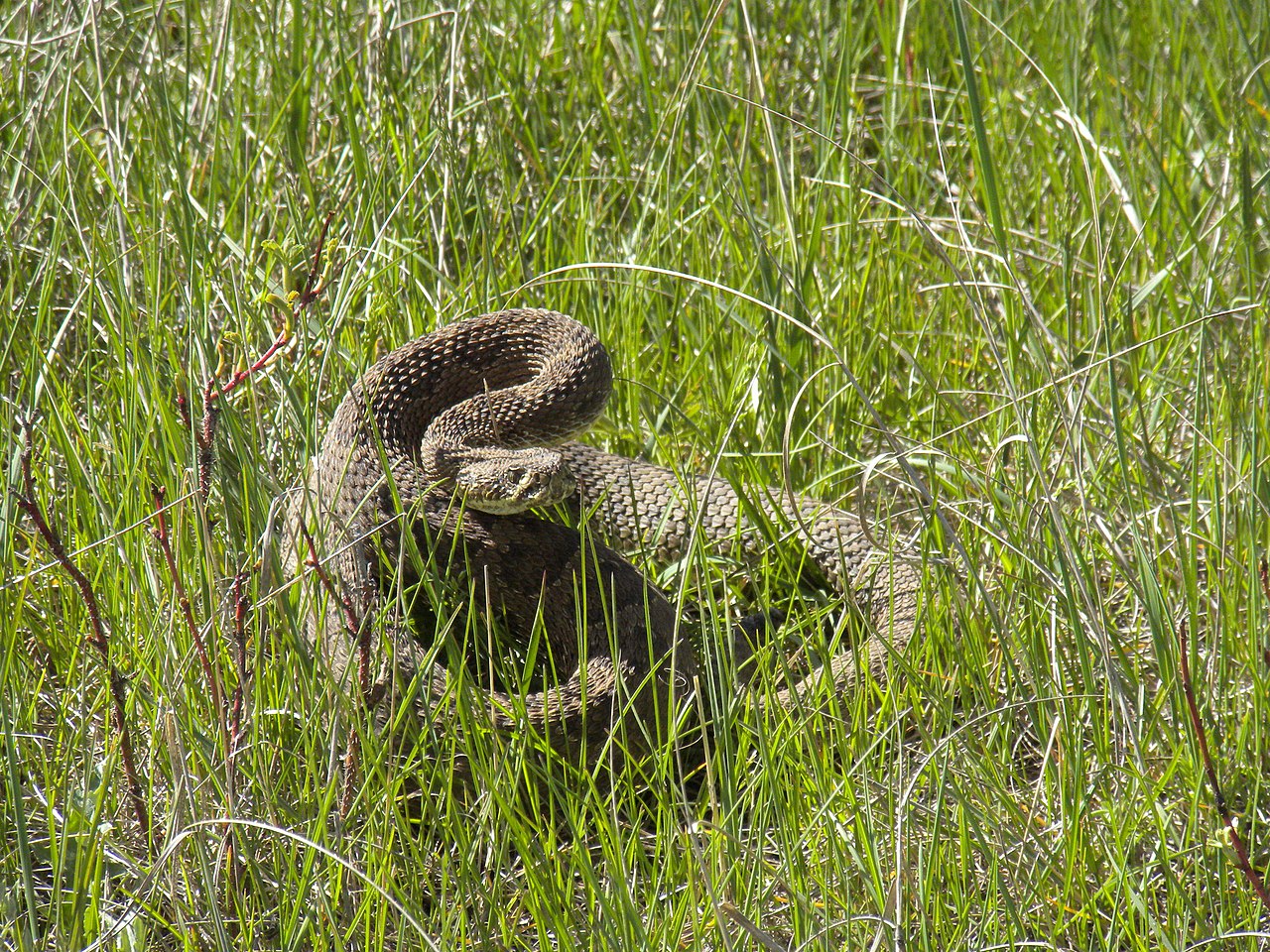
Snakes do not typically attack humans without provocation. Their natural inclination is to avoid conflict, and any aggressive display or bite is almost always a defensive reaction to feeling threatened, surprised, or cornered. Unlike predators that actively hunt humans, snakes view people as potential threats or obstacles in their environment, and their goal is generally to escape detection.
The widespread misconception that snakes are inherently aggressive often stems from fear and a misunderstanding of their behavior. When a snake feels endangered, it may hiss, rattle, coil, or even strike, but these actions are warnings, not invitations to battle. A snake's goal is to remove itself from a perceived threat, and a bite is a last resort to protect itself when escape is not an option, or it feels its life is in immediate danger.
Snakes employ a range of defensive strategies well before resorting to a bite. Many will first try to remain still and blend into their surroundings, hoping to go unnoticed. If that fails, they may attempt to flee to safety. If escape is impossible or they feel directly menaced, they might engage in warning displays such as raising their head, spreading a hood (like a cobra), coiling into an S-shape, or rattling their tail (like a rattlesnake). Some species, like the hognose snake, even bluff by hissing loudly, flattening their head, or playing dead.
Bites primarily occur when a snake feels directly provoked. This often happens inadvertently, such as stepping on a snake camouflaged in leaf litter, reaching into a hidden space where a snake is resting, or attempting to handle or harass one. Even seemingly harmless actions like approaching too closely for a photograph can be perceived as a direct threat. In these situations, the snake is not initiating an attack but reacting to what it perceives as an immediate danger to its survival.
From a snake's perspective, a human is a massive, potential predator. Snakes are efficient creatures that prioritize energy conservation and self-preservation. Engaging in a conflict with a large animal like a human is energetically costly and risky, so it is always avoided if possible. Their venom, when present, is primarily used for subduing prey and is a precious resource not to be wasted on defensive strikes if alternative escape routes or warnings are available.
To avoid provoking a snake and minimize the risk of a bite, it's crucial to be aware of your surroundings, especially in areas where snakes are common. Watch where you place your hands and feet when hiking or working in the yard. Never attempt to approach, handle, or kill a snake. Give any snake you encounter ample space, allowing it to move away undisturbed. Most snakes will retreat if given the opportunity, preferring to avoid confrontation altogether.
Encountering a snake can be startling, but remembering that they are usually just trying to avoid conflict can help keep you safe. If you see a snake, observe it from a safe distance and never approach. If you need to identify the species, take a clear photo without getting too close, and use the SerpentID app to compare its markings against likely local species. If you suspect a snake bite has occurred, seek professional medical help immediately.