


Search for ways to get rid of snakes and you will quickly find sticky boards marketed as snake traps. They are cheap, easy to place along a wall, and seem like a tidy fix. The short answer is that glue traps do catch snakes, but catching a snake is not the same as solving a snake problem safely. The traps are indiscriminate, cruel to the animals they hold, and can turn a manageable situation into one where someone is tempted to handle a frightened, injured snake at close range.
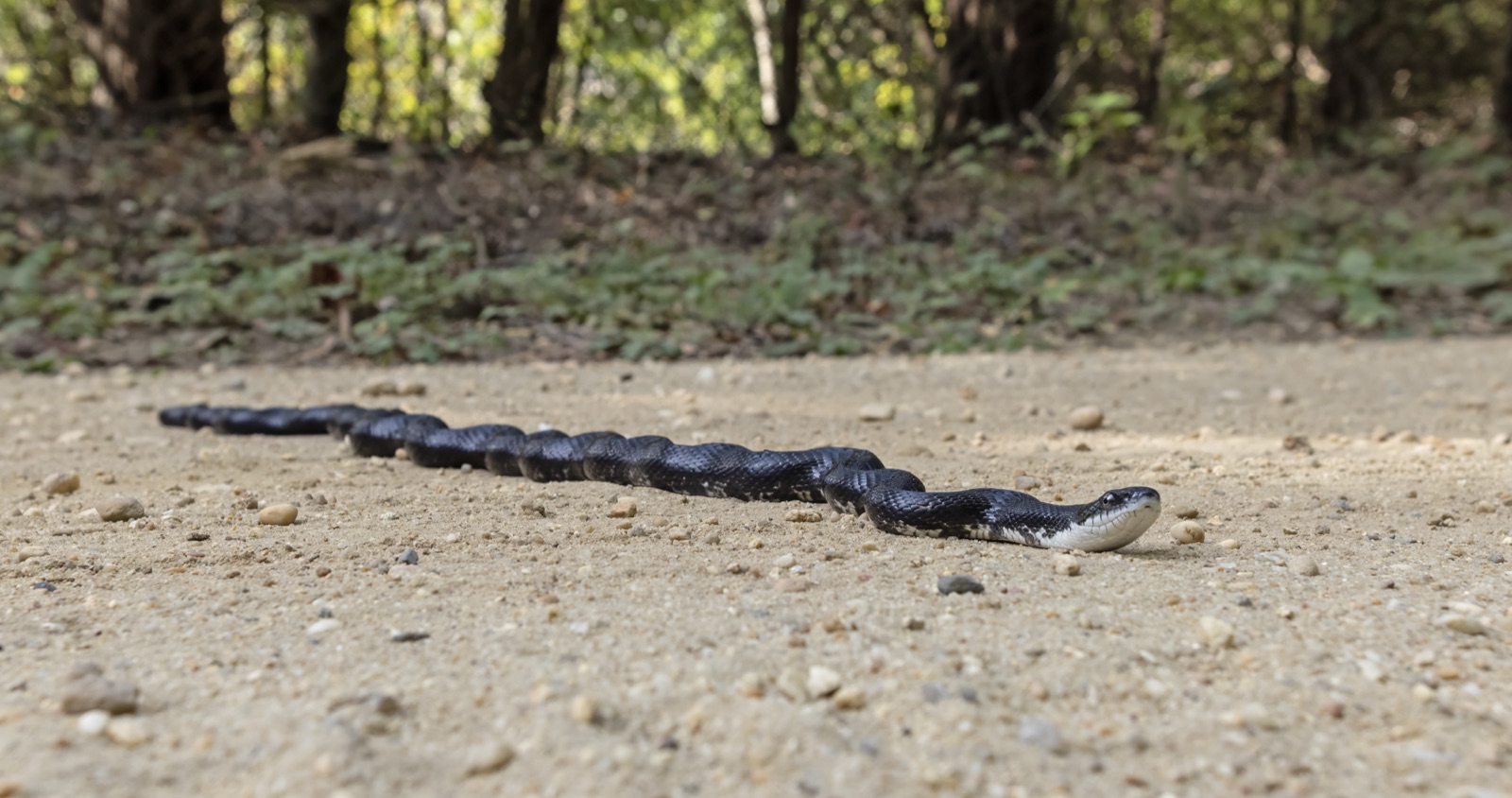
Glue traps work by coating a board with an extremely strong adhesive. When a snake crosses it, its scales stick, and as it struggles more of its body becomes glued down. Snakes cannot back out the way they came, and the struggling can tear scales and skin, cause dehydration, and lead to a slow death over hours or days if no one intervenes. Wildlife rehabilitators in the United States, Australia, and India regularly receive snakes, along with birds, small mammals, frogs, and lizards, pulled in with these injuries. Many glue traps are actually set for mice and rats, and rodent-hunting species such as rat snakes are frequent accidental victims, which is part of why so many people discover a snake this way without ever setting a trap for one.
The bigger safety issue is that a snake on a glue board is still a live snake. It can still strike within reach of the parts of its body that are free, and a stressed animal is more likely to bite defensively. If the snake happens to be venomous, such as a copperhead in the eastern United States, a brown snake in Australia, or a krait or Russell's viper in India, the trap does nothing to reduce the risk of a serious bite. People get hurt when they try to peel the snake free, carry the board away, or lean in for a closer look. A glue trap also does not tell you anything about why the snake was there or whether others are using the same route.
Glue traps also catch things you never intended. Pets, especially cats and small dogs, can step on them or get fur stuck while investigating a struggling animal. Songbirds, beneficial lizards, and harmless snakes that eat the very rodents you want gone end up glued as well. Because of these welfare concerns, several jurisdictions, including parts of Australia, restrict or ban glue traps, and animal welfare authorities in India have advised against their use. Before buying any trap, it is worth checking local rules, since protected native snakes may also be covered by wildlife laws.
If you find a snake stuck on a glue trap, do not try to free it yourself and do not pull, cut, or pour anything on it. Keep children and pets well away, and if the board is loose, leave it where it is rather than lifting it. Call a local wildlife rescue, a licensed snake catcher, or animal control, and let them know it is a glue trap case, since they have safe methods for releasing animals from adhesive and can assess injuries. If anyone is bitten during the process, seek professional medical help immediately. For long-term prevention, the measures that actually work are unglamorous: seal gaps around doors, vents, and pipes, keep vegetation trimmed near walls, store firewood and clutter off the ground, and control rodents with methods that do not leave sticky surfaces where wildlife travels.
Finally, it helps enormously to know what kind of snake you are dealing with, whether it is stuck on a trap, sheltering in the garage, or passing through the yard. Take a photo from a safe distance without moving the snake or the trap, then let SerpentID compare its markings, pattern, and shape against the species likely to occur in your area. Many snakes found around homes turn out to be harmless rodent hunters. If the result suggests a venomous species, or you are unsure, keep your distance and contact your local wildlife services or a licensed snake catcher to handle it.