


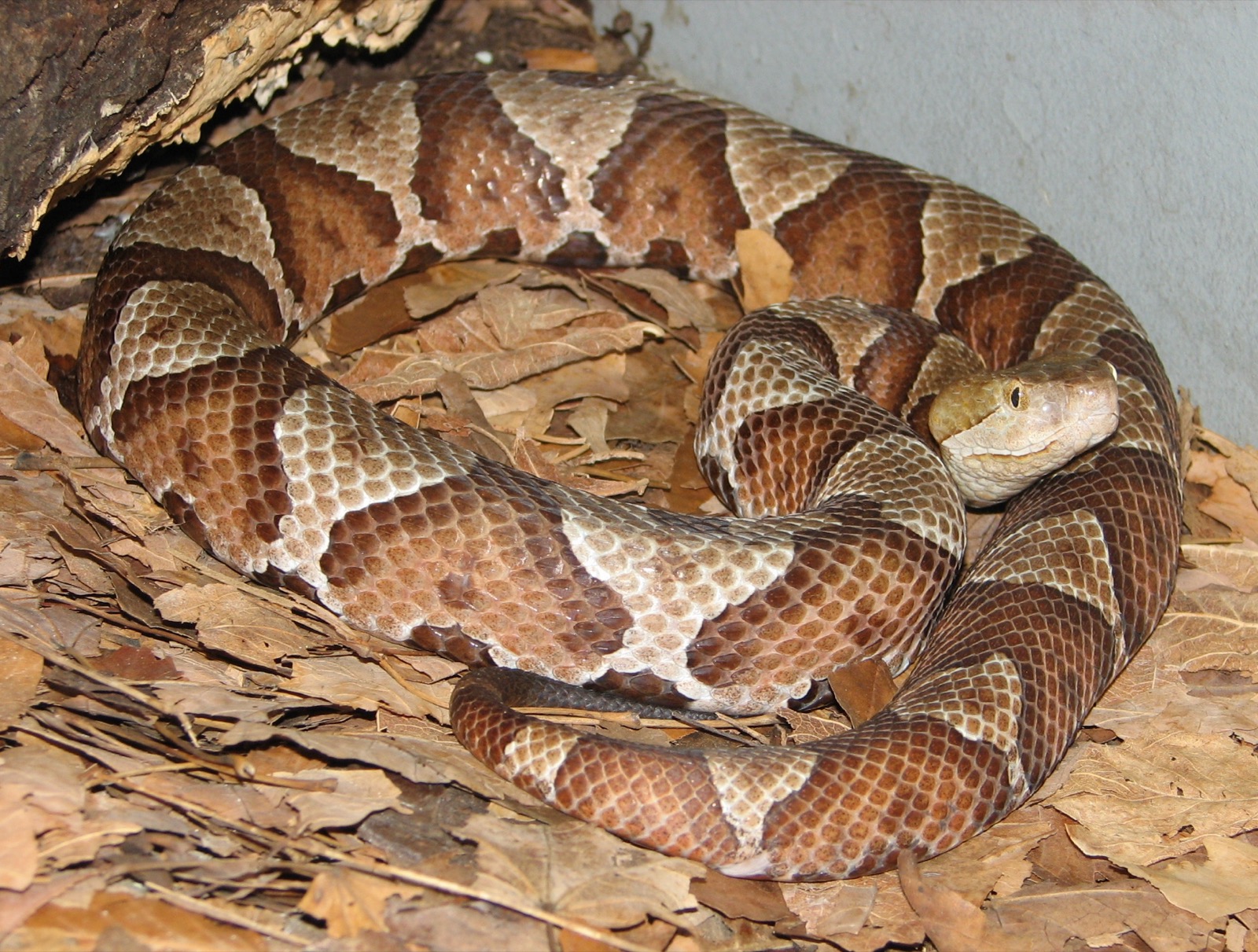
Few pieces of snake folklore spread as widely across the eastern and southern United States as the idea that copperheads smell like fresh-cut cucumbers. The claim shows up in backyard conversations, social media posts, and even some regional advice columns, usually with a warning: if you catch a cucumber scent in the woods, a crawl space, or a garage, a copperhead may be close. It sounds like a handy early-warning system. Unfortunately, it does not hold up well when you look at what herpetologists actually know about snake odors.
The kernel of truth is that snakes can produce smells. Many species, including copperheads, have paired musk glands near the base of the tail. When a snake feels threatened, especially when it is grabbed, pinned, or cornered, it may release a strong-smelling secretion, sometimes mixed with feces. This is a defensive behavior meant to make a predator let go. The odor is real, but it is typically produced only under stress and at very close range, not as a lingering scent that drifts across a yard from a calmly resting snake hidden in leaf litter.
The problem is with the specific cucumber description. People who have smelled copperhead musk describe it in a range of ways, often simply as musky, sharp, or unpleasant, and descriptions vary from person to person and situation to situation. There is no well-established scientific evidence showing that copperheads reliably produce a distinctive cucumber odor that people can use to detect them. Smell perception is highly subjective, and once someone has heard the cucumber story, it is easy to attach that label to any odd smell near a snake sighting. That is how folklore reinforces itself, even without consistent evidence behind it.
It also helps to remember how many ordinary things can smell like cucumber or green vegetation. Crushed plants, freshly mowed grass, damp soil, decaying leaves, certain insects, and fungi can all produce fresh or green odors, particularly in humid weather. If you rely on a cucumber smell as a snake detector, you are likely to raise false alarms constantly. The more dangerous flip side is false reassurance. A copperhead sitting quietly under a board or among leaves usually gives off no noticeable smell at all, so someone waiting for a warning scent before being careful may reach right into the spot where a snake is resting.
For that reason, smell should never be part of your safety plan or your identification process. Copperheads are ambush hunters that rely on camouflage, and their hourglass-shaped bands blend remarkably well into leaf litter, mulch, and woodpiles. The habits that actually prevent bites are simple and visual: watch where you put your hands and feet, use a flashlight on warm evenings when copperheads are often active, wear sturdy closed shoes outdoors, and use tools rather than bare hands to move debris. Never try to sniff out, flush out, handle, or kill a snake you suspect is a copperhead; most bites happen when people get too close to a snake on purpose.
Identification itself should rest on features you can see from a safe distance, such as body pattern, coloration, head and body proportions, and the habitat where the snake was found. Many harmless species, including corn snakes, water snakes, and juvenile rat snakes, are regularly mistaken for copperheads, and a careful look at the pattern is far more informative than any odor. If anyone is bitten by a snake, whatever it is, seek professional medical help immediately.
If you spot a snake you think might be a copperhead, skip the sniff test entirely. Stay back, keep children and pets away, and take a clear photo from a safe distance with your phone's zoom. SerpentID can compare the snake's markings and shape against species likely to occur in your area, giving you a much more reliable answer than folklore ever could. If the snake turns out to be venomous and is in a spot where it poses a risk, contact your local wildlife services or a licensed snake removal professional rather than trying to deal with it yourself.