


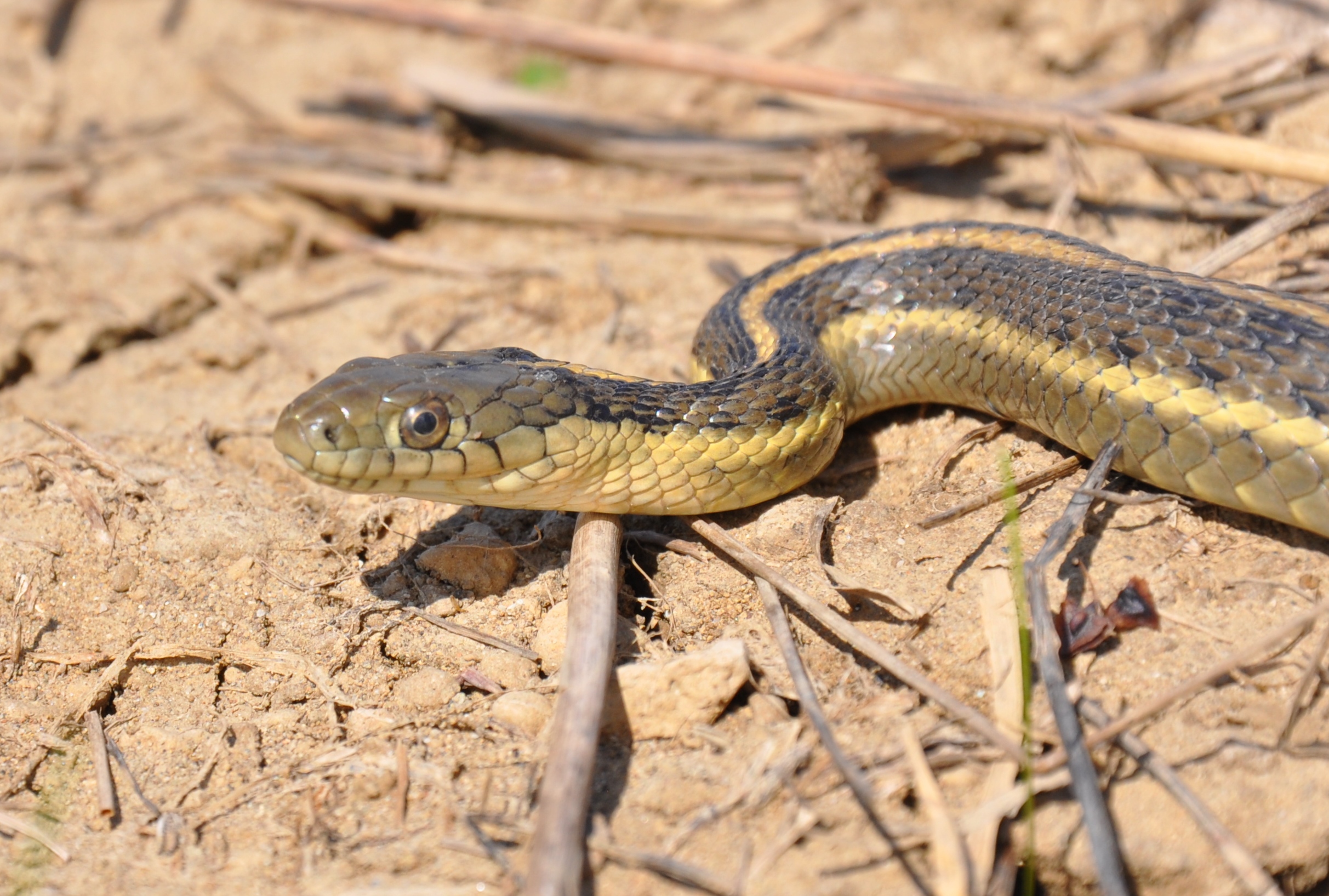
It is one of the most common pieces of backyard folk wisdom: get a cat and the snakes will stay away. The idea sounds reasonable, because cats are skilled predators and many people have seen a cat batting at a garter snake or dropping a dead one on the doorstep. But a cat catching the occasional snake is not the same as a cat keeping snakes away. There is no good scientific evidence that the smell, sight, or presence of a cat makes snakes avoid an area. Snakes choose places based on shelter, temperature, moisture, and food. A cat does not change any of those things very much.
What cats actually do is hunt small moving animals, and small snakes fit that description. Outdoor cats regularly kill garter snakes, brown snakes, ring-necked snakes, and similar small species, along with lizards. The effect can be large. In Australia, researchers estimate that feral and pet cats together kill hundreds of millions of reptiles each year, a serious problem for native wildlife. Most of those animals are harmless, beneficial species, not the dangerous snakes people hope a cat will remove. A cat that clears the garden of small snakes may also be removing animals that eat slugs, insects, and young rodents.
The relationship between cats and rodents is also often misunderstood. People reason that if a cat catches mice and rats, snakes will have less to eat and move on. A cat can reduce rodent activity in some places, but rarely enough to empty a yard of prey. Meanwhile, the things that attract rodents, such as spilled pet food, bird seed, compost, and cluttered sheds, are often the same things that bring snakes in. Leaving cat food outside overnight can even pull in rodents and, in turn, the snakes that hunt them. Removing food sources and hiding spots works much better than relying on a pet.
The bigger concern is safety for the cat. Cats are curious and tend to investigate, paw at, or pounce on a snake rather than avoid it, which is exactly the kind of contact that triggers a defensive bite. In the United States, copperheads and rattlesnakes bite cats each year. In Australia, brown snakes are a well-known cause of serious pet envenomation, and in India cobras, kraits, and Russell's vipers share space with outdoor cats in many neighborhoods. A cat that has been bitten may hide, become weak or wobbly, drool, vomit, or show dilated pupils, and signs can appear slowly. If you suspect a bite, contact a veterinarian immediately rather than waiting to see what happens.
Cats can also make a snake situation worse indoors. It is common for a cat to carry a live snake through a pet door and release it inside, where it vanishes under furniture or appliances. If that happens, keep people and pets out of the room, close the door, and avoid reaching into tight spaces to find it. Do not try to pull the snake away from the cat by hand. A frightened snake caught between a cat and a person is far more likely to bite than one that is simply left room to escape.
None of this means cats and snakes are always enemies, or that every cat will chase one. Some cats ignore snakes completely, and many snakes simply flee from a cat the same way they flee from a person. The practical takeaway is that a cat is neither a snake repellent nor a reliable snake control method. Keeping cats indoors, especially at dawn, dusk, and on warm nights when many snakes are active, protects both your pet and local wildlife. Pair that with yard habits that matter, such as trimming dense vegetation, storing firewood off the ground, sealing gaps around foundations, and managing rodent attractants.
If your cat is staring at something in the grass or you spot a snake near your home, the safest move is to bring the cat inside and keep your own distance. Take a photo from a safe distance and let SerpentID compare the snake's markings against likely species in your area, so you know whether you are looking at a harmless garden visitor or something that needs caution. If the snake turns out to be venomous or is inside your home, contact your local wildlife service or a licensed snake removal professional, and if a person is bitten, seek professional medical help immediately.