


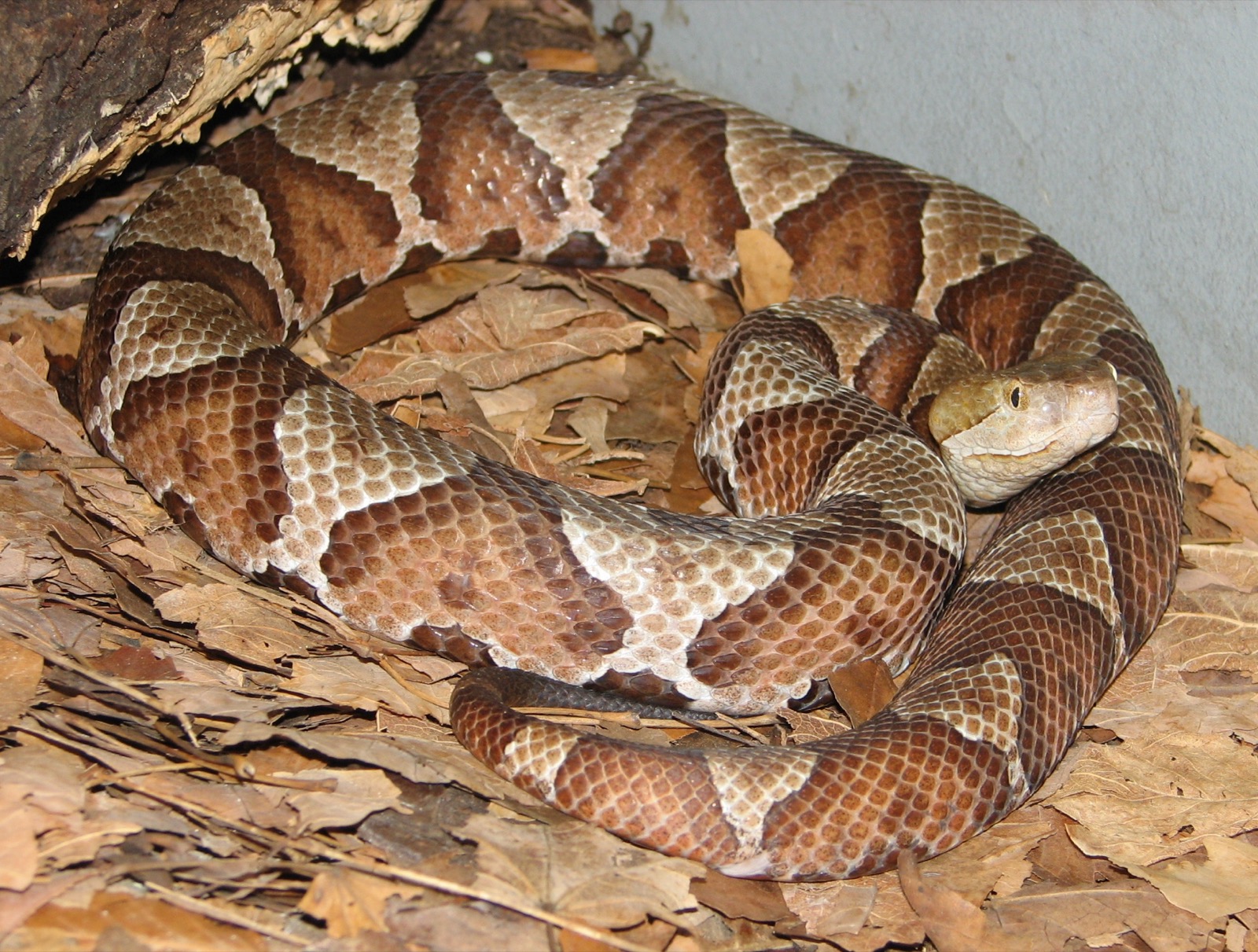
When encountering a snake, especially in low light or at night, our first instinct might be to shine a bright light on it to get a clearer view. This often leads to the question: do bright lights bother snakes? The answer is nuanced, as "bother" might imply irritation, but a sudden, intense light can certainly provoke a strong reaction from a snake, often one of alarm or defense. Snakes are highly tuned to their environment, and any abrupt change, including a blast of light, can be perceived as a potential threat or a reason to move quickly.
Snake vision varies significantly between species, largely depending on whether they are primarily diurnal (day-active) or nocturnal (night-active). Diurnal snakes generally possess better visual acuity and color perception, while nocturnal species have adaptations for excellent low-light vision, often with larger pupils to gather more available light. For a snake adapted to the dimness of night, a sudden, bright light can be overwhelming, temporarily impairing their vision and disorienting them. Even diurnal snakes can be startled by an unexpected flash, much like a person would be blinded by a camera flash in the dark.
The typical reaction of a snake to a sudden bright light is one of defense or escape. They might freeze, coil more tightly, hiss, or attempt to retreat rapidly into cover. This is not an act of aggression but a natural defensive response to what they perceive as a sudden change in their environment that could signal danger. The light itself isn't necessarily painful, but the unexpected intensity and the associated loss of environmental awareness can put the snake on high alert, causing it to act defensively if it feels cornered or threatened.
For humans, this means caution is paramount when using lights around snakes. If you encounter a snake at night, it is advisable to illuminate the area around it rather than shining the light directly into its eyes. This allows you to see the snake and its surroundings without directly provoking it. A snake that is startled or feels threatened is more likely to strike, not out of malice, but out of a primal instinct for self-preservation. Respecting their space and their sensory perception is key to a safe encounter for both you and the snake.
Practically, when walking outdoors at night in areas where snakes are common, carrying a flashlight is a wise safety measure. Use it to scan the path ahead and illuminate potential hiding spots like logs, rocks, or dense vegetation. If you spot a snake, maintain a safe distance and allow it to move away naturally. Avoid using the light to corner or harass the snake, as this will only increase its stress and the likelihood of a defensive strike. Your goal is to see the snake to avoid it, not to interact with it.
It's important to debunk common myths that suggest bright lights can 'hypnotize' or 'paralyze' a snake, rendering it immobile or docile. This is completely false. Any stillness observed is likely the snake freezing in an attempt to assess the situation or blend into its surroundings, a common defensive strategy. The snake remains fully aware and capable of swift movement, and approaching it under such a false premise would be extremely dangerous. Their reactions are rooted in survival instincts, not magical paralysis.
If you encounter a snake and need to identify it, always do so from a safe distance. Take a clear photograph without approaching or disturbing the animal, and let the SerpentID app help compare its markings against likely local species. If the snake appears venomous, or if you are unsure, contact local wildlife services or a professional snake handler for safe removal. Never attempt to handle, approach, or kill a snake yourself, as this is when most bites occur.