


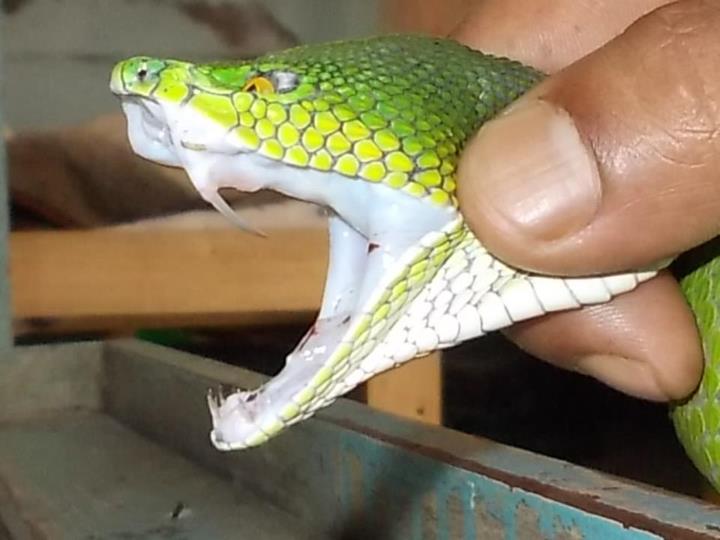
It is one of the most common questions people type into a search bar after a close call: can you actually survive a snake bite without going to the hospital? The honest answer is yes, sometimes, and that is exactly what makes the question dangerous. Survival without treatment happens, but it happens for reasons the bitten person usually cannot see or confirm at the time. The bite may have come from a harmless species, the snake may have delivered little or no venom, or the venom involved may simply be less likely to kill an adult. None of those outcomes can be counted on, and the people who bet on them and lose often lose a great deal.
The first reason some untreated bites turn out fine is that most snakes are not dangerously venomous. In the United States, Australia, and India alike, many bites come from rat snakes, water snakes, garter snakes, pythons, and other species whose bites cause little more than scratches and minor bleeding. The second reason is the dry bite. Venomous snakes control how much venom they inject, and a meaningful share of defensive bites deliver none at all; for some North American pit vipers, estimates are often in the range of a fifth to a quarter of bites, though the figure varies widely by species and study. The problem is that a dry bite and an envenomated bite can look nearly identical in the first minutes, and the snake's identity is often uncertain to someone who glimpsed it for a second in tall grass.
The third reason is that some venomous snakes rarely cause deaths. Copperhead bites in the eastern United States, for example, are seldom fatal. That fact gets repeated online as if it means copperhead bites can be ignored, which is a serious misreading. Bites from copperheads and other pit vipers can still cause severe swelling, intense pain, tissue damage, and lasting loss of function in a hand or foot, and some people react badly to venom in ways that are hard to predict. A low death rate reflects the fact that most bitten people get hospital care, not that the bite was harmless.
The global numbers show what happens when treatment is delayed or unavailable. The World Health Organization estimates that snakebite kills roughly 81,000 to 138,000 people each year, and that around three times that number survive with amputations or other permanent disabilities. India carries a large share of that burden, with research estimating tens of thousands of snakebite deaths a year, many in rural areas where victims reach a hospital late or first visit traditional healers. By contrast, the United States records only a handful of snakebite deaths in a typical year, and Australia averages only a few, despite being home to some of the world's most venomous species. The difference is not tougher people or gentler snakes. It is fast access to emergency care and antivenom.
Several myths make the waiting game even riskier. One is that a bite that does not hurt much must be minor. Kraits in India and Sri Lanka are notorious for bites that may cause little or no pain, sometimes delivered to people sleeping on the floor at night, while the neurotoxic effects develop hours later and can stop breathing. Another myth is that if you feel fine after a short while, you are in the clear; some venoms cause bleeding problems, kidney injury, or paralysis that appear well after the bite, as with Russell's viper envenomation. A third myth is that suction kits, cutting the wound, herbal pastes, or other home remedies can replace hospital care. They cannot, and some of them waste the time that matters most. The only safe rule is simple: if a snake that could be venomous bites someone, seek professional medical help immediately, and let medical staff decide whether treatment is needed.
Most bites never happen in the first place when people give snakes space. The majority of bites occur when someone steps on, reaches toward, tries to move, or tries to kill a snake, so staying back, watching where you put your hands and feet, and leaving the animal alone are the strongest protections available. If you do see a snake around your home or on the trail, photograph it from a safe distance rather than approaching, and let SerpentID compare its markings against the likely species in your area. A quick, careful identification can help you understand what you are dealing with and give useful information to medical staff if a bite ever does occur. If the snake turns out to be venomous or you are unsure, contact local wildlife services or a licensed snake catcher to handle it, and never attempt to handle it yourself.