


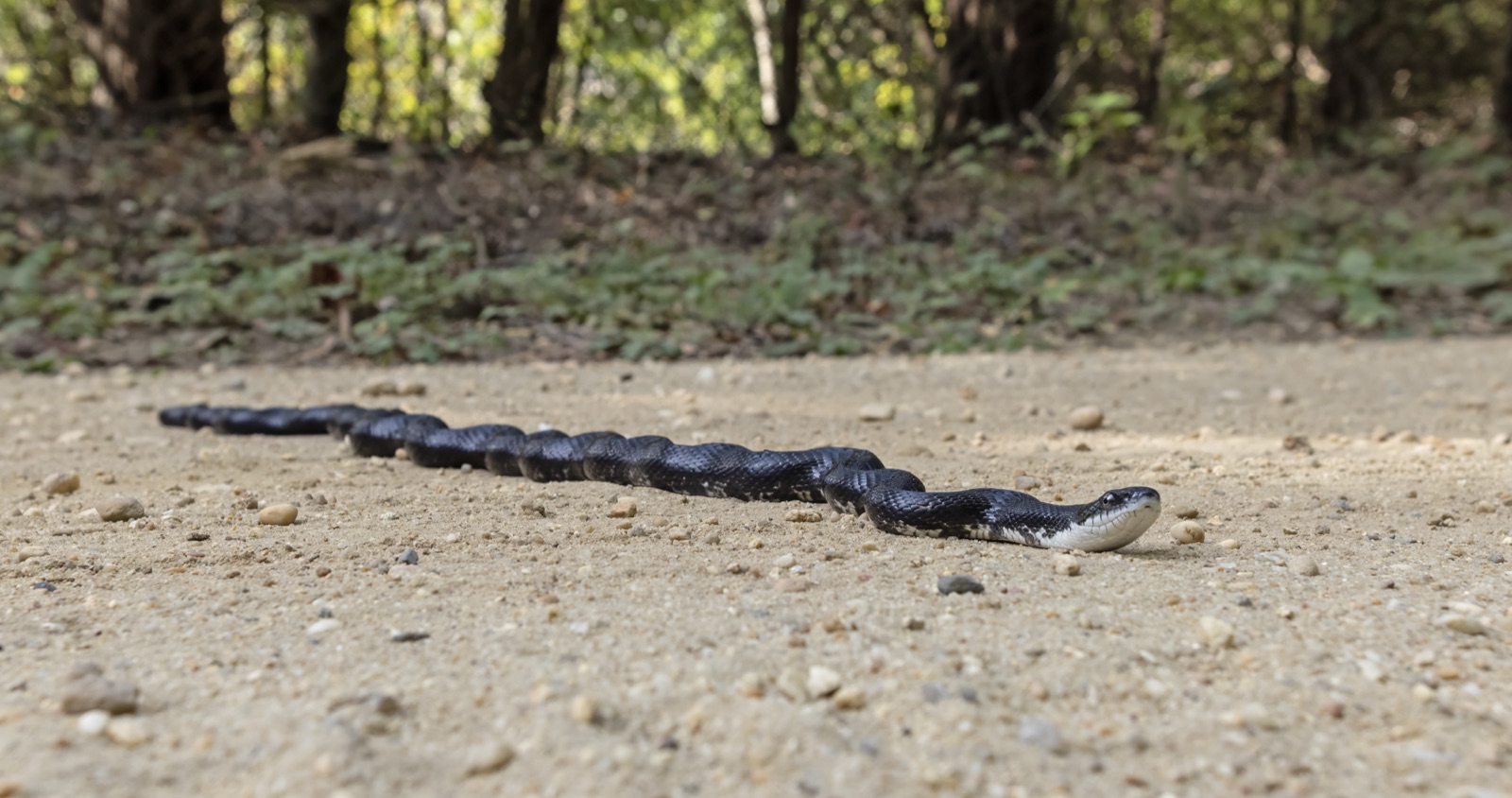
While the concept of a legless reptile throwing up might sound unusual, snakes are fully capable of expelling food from their digestive tracts. In herpetology, this process is generally classified as regurgitation rather than true vomiting, depending on how far along the digestion process was before the meal was expelled. Because digesting whole prey requires immense physiological energy and physical space, a fully loaded stomach makes a serpent slow, vulnerable, and less capable of defending itself when threatened.
The primary trigger for wild snake regurgitation is an immediate threat from a predator or human intruder. When a snake swallows a large rodent, bird, or amphibian, its body becomes heavy and unwieldy, severely compromising its ability to slither away or strike efficiently. If cornered or startled shortly after feeding, the snake will quickly contract its body muscles to force the meal back up its esophagus. Sacrificing the energy investment of a recent meal allows the reptile to lighten its load and escape quickly from potential death.
Environmental conditions also play a critical role in whether a snake can successfully process its meal or be forced to expel it. As ectothermic animals, snakes rely entirely on external thermal gradients to fuel their metabolic processes, including the production of powerful stomach acids. If the surrounding temperature drops too low after a meal, the food inside the stomach will begin to rot before gastric juices can break it down, producing toxic gas and dangerous bacterial overgrowth that forces the snake to regurgitate to save its own life.
Physical handling or physical trauma shortly after feeding is another common cause of regurgitation. Excessive movement or pressure applied to a snake's midsection disrupts the slow, rhythmic muscular contractions that propel food down the digestive tract. In suburban settings, a snake that has recently eaten in a garden or under a shed may throw up if disturbed by lawn equipment, curious pets, or well-meaning homeowners trying to move it out of the area.
Regurgitation is a harsh, physically taxing ordeal for a snake because its stomach acids are extremely potent. As the food travels back up through the esophagus and mouth, these corrosive fluids can damage delicate mucosal tissues and leave the snake dehydrated and vulnerable to secondary infections. For this reason, seeing a wild snake throw up is a clear indicator that the animal experienced extreme stress or environmental distress prior to the event.
Understanding natural serpent behaviors helps demystify unexpected encounters in your yard or around outbuildings. If you spot a snake resting motionlessly in your garden, it may simply be digesting a recent meal and should be given plenty of space to recover undisturbed. To safely figure out what kind of snake you have seen, take a photograph from a secure distance and let SerpentID compare its distinctive markings against local species. If the photo reveals a venomous species in a high-traffic area, keep clear and contact professional wildlife removal services to handle the situation.