


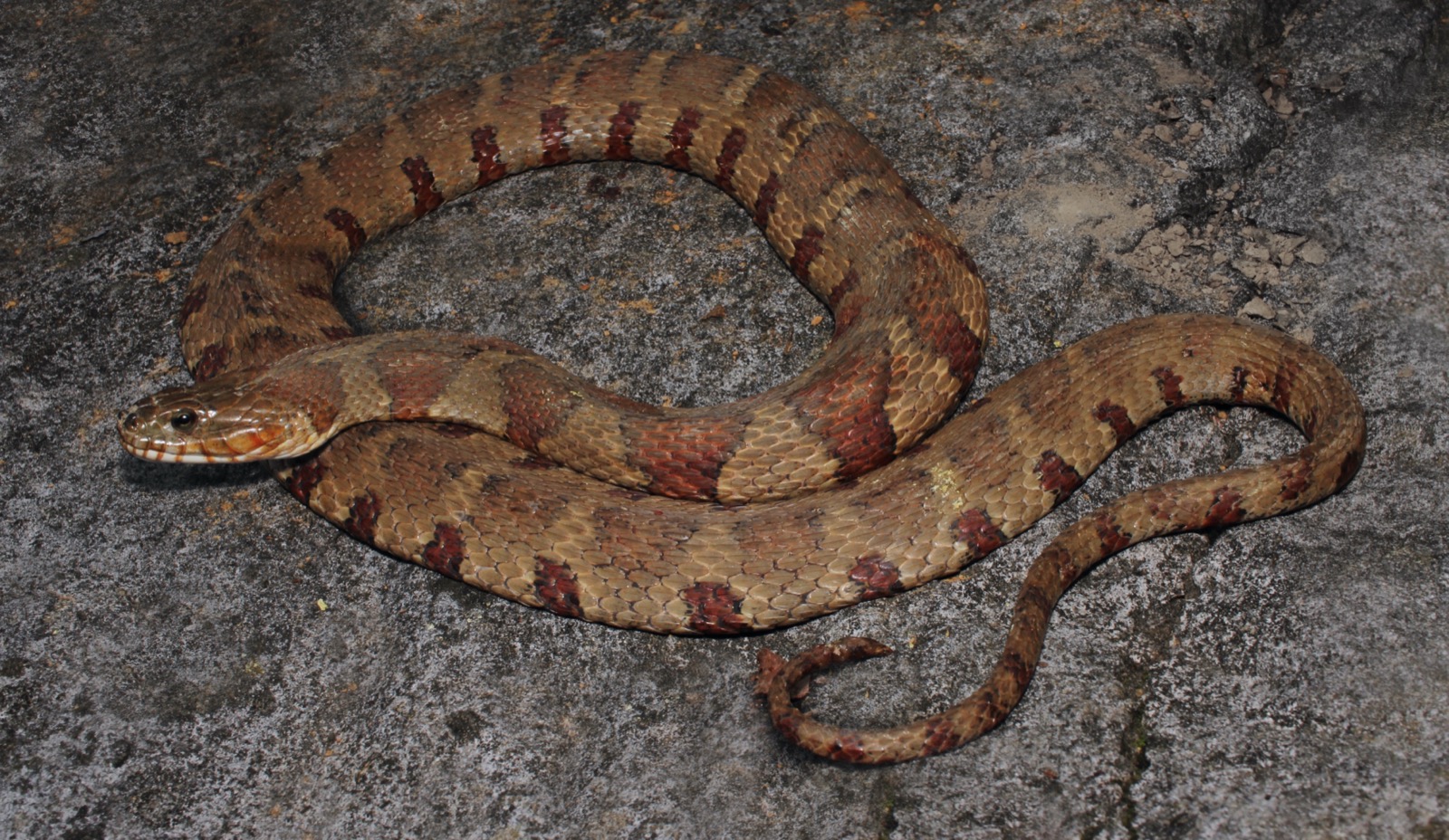
In dry environments or during hot summer months, finding water is a critical survival priority for wild snakes. While humans rely primarily on visual landmarks or the sound of rushing streams to locate lakes and rivers, snakes use a sophisticated chemical sensing system. By collecting airborne molecules on their forked tongues and delivering them to the vomeronasal organ in the roof of their mouth, serpents can evaluate the subtle chemical signatures that standing or flowing water creates in the air.
Beyond chemical tasting, snakes are remarkably sensitive to localized humidity gradients. As water evaporates from a pond, creek, or damp patch of soil, it creates a plume of moist air that carries across dry terrain. A snake moving through an arid field can detect subtle increases in ambient humidity through sensitive thermoreceptors and specialized skin structures, allowing the reptile to track the moisture gradient directly back to its damp source.
The ability to detect water is not only essential for drinking but also serves as a reliable map for hunting. Water sources naturally attract frogs, fish, rodents, birds, and insects, making moist microhabitats prime foraging grounds for many snake species. A snake trailing the scent of moisture is often simultaneously tracking the high density of prey animals that depend on that same water supply, maximizing the efficiency of its search.
During periods of extreme drought, this humidity-seeking drive can bring snakes into suburban yards, gardens, and residential properties. Irrigation systems, dripping outdoor spigots, swimming pools, and decorative fish ponds emit strong humidity signals that can draw snakes from hundreds of yards away. Homeowners often notice an uptick in snake sightings around well-watered lawns and garden beds simply because these areas represent the greenest, dampest oasis in the immediate neighborhood.
Understanding how snakes locate water helps explain their behavior during hot weather, but encountering a snake near a garden hose or birdbath can still catch people off guard. If you spot a snake drinking or resting near a water source on your property, keep a safe distance and avoid disturbing it. Taking a clear photo from several feet away allows you to use SerpentID to compare its color patterns and head shape against native species, quickly clarifying whether the visitor is a harmless garter snake or a venomous pit viper. Should you confirm the presence of a dangerous species near your outdoor living space, contact local wildlife professionals to manage the situation safely.