


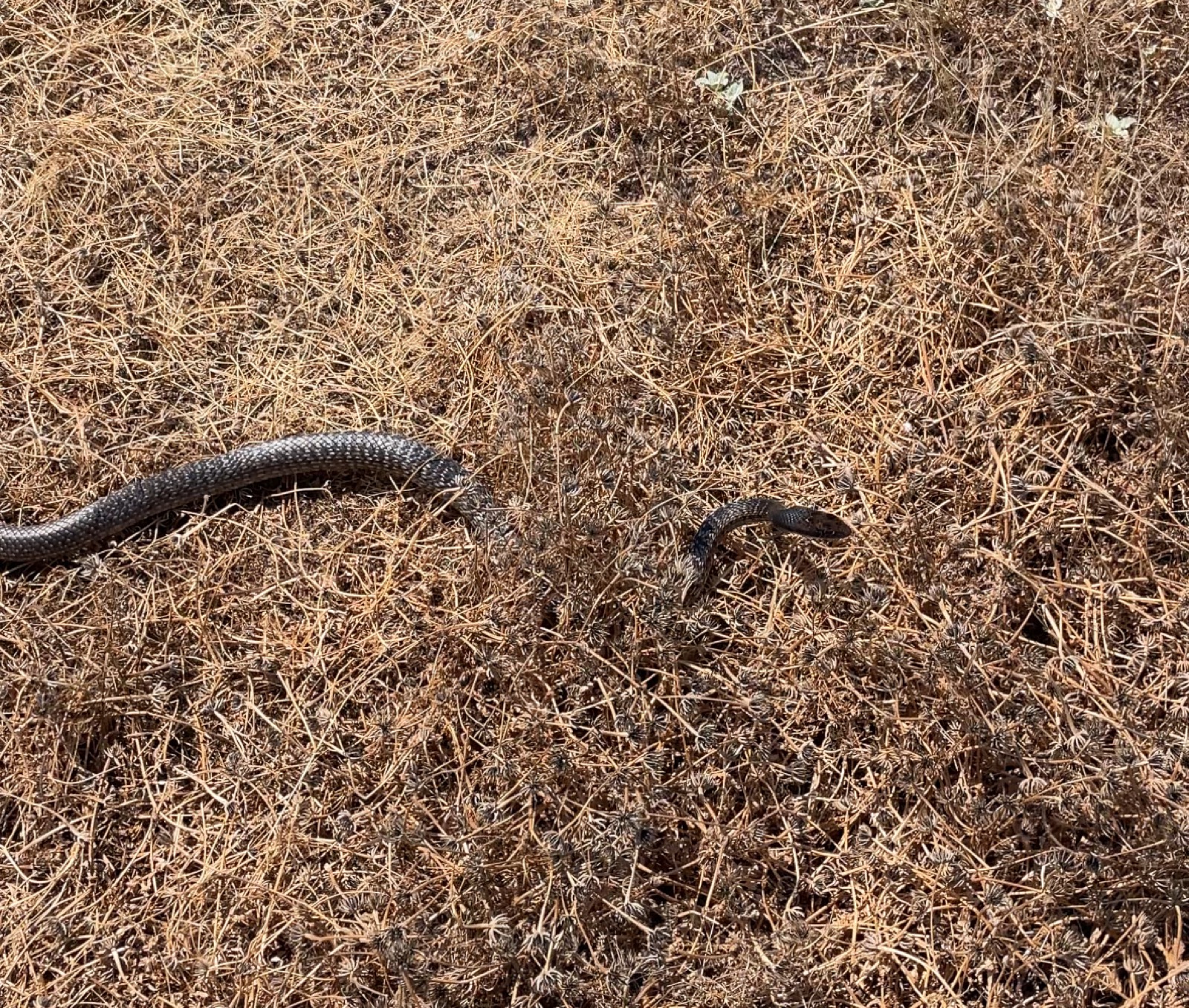
The idea that snakes can 'smell fear' is a persistent myth, often fueled by dramatic portrayals in media or our own instinctive reactions to these fascinating reptiles. In reality, a snake's sensory world is vastly different from our own, and it simply lacks the biological mechanisms to detect complex human emotions like fear. Snakes are driven by instinct and react to tangible cues in their environment, not to an invisible emotional aura. Understanding what snakes actually sense can help demystify their behavior and promote safer, more rational interactions.
Snakes primarily perceive their surroundings through a combination of chemical cues, vibrations, and, for some species, heat. Their most iconic sensory tool is their forked tongue, which they constantly flick to collect scent particles from the air and ground. These particles are then delivered to a specialized organ in the roof of their mouth, the vomeronasal or Jacobson's organ, which processes the chemical information. This sophisticated 'smell' allows them to track prey, identify mates, and navigate their territory, but it is focused on detecting specific chemical compounds, not abstract emotional states.
While snakes cannot smell fear, they are highly attuned to the physical manifestations of fear in humans. When we feel fear, our bodies often react with sudden movements, increased heart rate, heavy footsteps, or loud exclamations. These are precisely the types of stimuli that a snake's senses are designed to detect. Ground vibrations caused by a running human, visual cues from erratic movements, or even the rush of air from a sudden jump can all be interpreted by a snake as a potential threat or a large, unpredictable predator. It is these physical actions, not the underlying emotion, that prompt a snake's defensive response.
A snake's primary goal when encountering a human is usually to escape or defend itself. They are not inherently aggressive animals and generally prefer to avoid confrontation. When a snake perceives a threat, its first instinct is often to remain still, hoping to go unnoticed, or to flee to safety. If cornered or provoked, a snake may resort to defensive displays like hissing, coiling, striking, or, in the case of venomous species, biting. These are all defensive measures aimed at deterring what they perceive as danger, not targeted attacks motivated by a human's emotional state.
It's important to remember that snakes are ectothermic, or 'cold-blooded,' and their behavior is largely governed by environmental factors and basic survival needs like hunting, thermoregulation, and reproduction. Their brains are structured for these fundamental tasks, lacking the complex neural pathways that would allow for the interpretation of nuanced emotional signals from other species. Thinking that a snake can 'smell fear' attributes a level of cognitive and emotional understanding that simply isn't present in their biology, and can lead to irrational panic rather than informed caution.
Instead of worrying about whether a snake can smell your fear, focus on understanding their actual sensory abilities and respecting their space. When you encounter a snake, your calm and measured actions are far more important than your internal feelings. Slow, deliberate movements, maintaining a safe distance, and avoiding any sudden gestures are the best ways to ensure a peaceful encounter and allow the snake to move away without feeling threatened. This approach minimizes the risk for both you and the snake, rooted in a factual understanding of their perception.
If you encounter a snake and are unsure of its species or how to safely proceed, the best course of action is always to maintain a safe distance. Take a clear photograph if possible, without approaching too closely, and use the SerpentID app to compare its markings against likely local species. If it is identified as venomous, or if you are simply uncomfortable with its presence, contact local wildlife services or a professional snake handler for safe removal. Never attempt to handle, approach, or harm the snake yourself.