


Most snakes reproduce the familiar way: a male and female mate, and the female later lays eggs or gives birth to live young. But herpetologists have confirmed that some female snakes can produce offspring without any genetic contribution from a male. This is called parthenogenesis, from the Greek for virgin birth. When an animal that normally reproduces sexually occasionally does this, scientists call it facultative parthenogenesis. When a species reproduces only this way, it is called obligate parthenogenesis. Snakes include examples of both, and the topic has gone from a curiosity in zoo records to a well-studied part of reptile biology.
For many years, reports of snakes giving birth after being kept alone were treated with suspicion, and for good reason. Female snakes of many species can store sperm in their reproductive tract for months, and in some cases for several years. A female that mated before being caught or acquired could produce a clutch long after the last time she saw a male. That is not parthenogenesis; it is delayed fertilization. The only reliable way to tell the difference is genetic testing of the mother and young. When the offspring carry no genetic material that could have come from a father, and show the reduced genetic variation expected from a single parent, the case is confirmed as a true virgin birth.
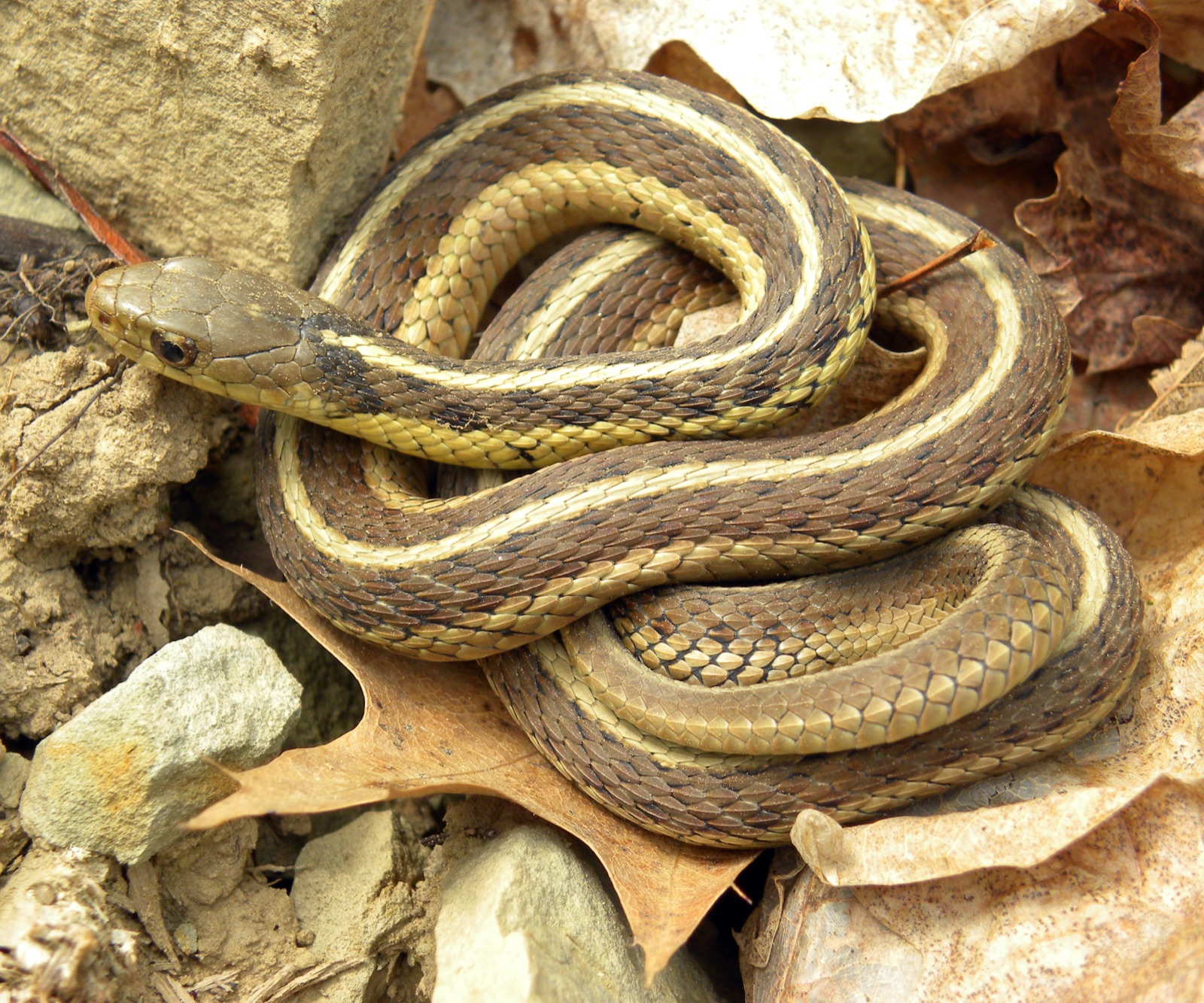
With modern DNA methods, confirmed cases have piled up. Parthenogenesis has been documented in captive boa constrictors, Burmese pythons, a reticulated python, garter snakes, rattlesnakes, and several other groups. One of the most important studies, published in 2012, showed that wild copperheads and cottonmouths in the United States were producing parthenogenetic young without any human involvement. That finding mattered because it proved the behavior was not just an artifact of captivity, where females are often isolated from males. It happens in natural populations too, although researchers believe it is uncommon compared with normal sexual reproduction.
The genetics behind snake virgin births are unusual. Snakes use a sex chromosome system in which females carry two different sex chromosomes, called Z and W, while males carry two Z chromosomes. In many parthenogenetic cases among the advanced snake families, such as vipers and colubrids, the offspring end up with two Z chromosomes and are therefore male. In boas and pythons, results have often been female. Because a parthenogenetic baby receives all its genes from its mother, and the process tends to duplicate much of her genome, the young are often highly inbred. Many clutches include infertile eggs, stillborn young, or offspring with developmental problems, though some individuals survive and grow normally. Scientists are still studying why it happens; one leading idea is that it gives an isolated female a way to pass on her genes when no mate is available.
The clearest example of a snake that relies entirely on parthenogenesis is the Brahminy blind snake, sometimes called the flowerpot snake. This tiny, shiny, dark brown or black burrowing snake is native to South and Southeast Asia, including India, and every known individual is female. Because a single snake can start a new population, it has hitched rides in the soil of potted plants to many parts of the world, including Florida and other southern U.S. states, Hawaii, and parts of northern Australia. It is harmless to people, rarely longer than about 15 centimeters, and spends most of its life underground eating ant and termite larvae. People often find it after watering plants or turning soil and mistake it for an earthworm, though it moves more like a snake and has tiny eyes and smooth scales.
It is worth correcting a few myths that sometimes attach to this topic. Parthenogenesis does not mean a snake population can explode overnight, and it does not make any species more dangerous. A virgin birth in a venomous species produces young that are just as venomous as any other newborn of that species, no more and no less. Finding a single snake in your yard also does not mean it is about to reproduce on its own; for nearly all species you are likely to see, ordinary mating remains the rule, and confirmed parthenogenesis in the wild is rare.
If you find a small snake in potting soil, a garden bed, or anywhere around the house, the most useful step is to work out what it is without touching it. Keep a safe distance, take a clear photo, and let SerpentID compare its shape, scales, and markings against the species most likely in your area, whether that is a harmless Brahminy blind snake or a juvenile of something that deserves more caution. If the result suggests a venomous species, leave the snake alone, keep children and pets away, and contact your local wildlife service or a licensed snake removal professional. If anyone is bitten, seek professional medical help immediately.