


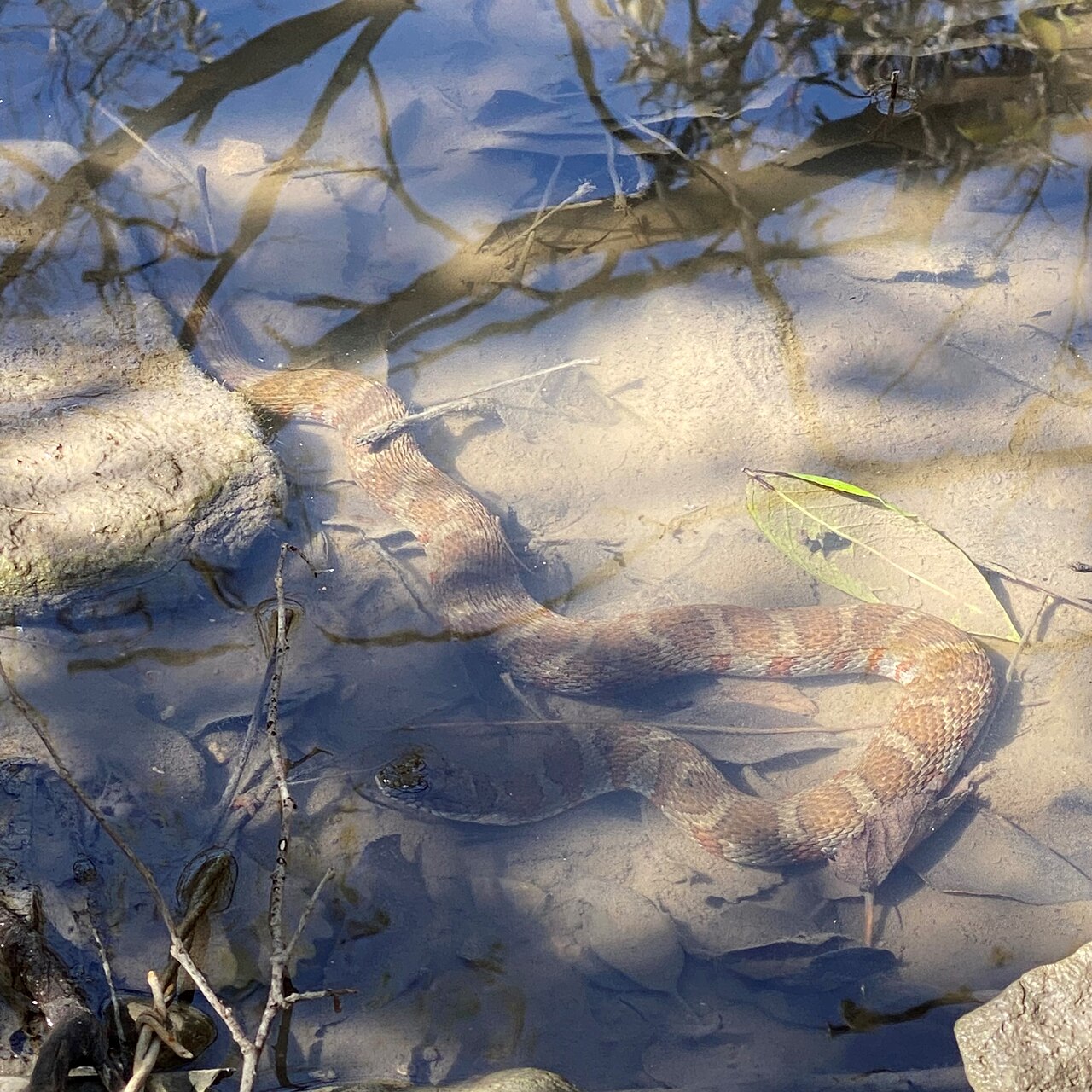
Yes, snakes can live in the ocean, though only a specialized subset of species called sea snakes have adapted to life in open saltwater. Belonging primarily to the subfamily Hydrophiinae, these marine reptiles are close relatives of terrestrial elapids like cobras and mambas. Unlike semi-aquatic freshwater snakes that occasionally enter rivers or lakes, fully marine sea snakes spend almost their entire existence in ocean environments, rarely if ever coming ashore.
To survive in an oceanic environment, sea snakes have evolved dramatic physical adaptations that set them apart from land-dwelling species. Their tails are laterally flattened into paddle-like oars, providing powerful propulsion through water currents. Furthermore, their nostrils are located on top of the snout and equipped with specialized valves that seal tight when submerged, allowing them to dive for extended periods while foraging along shallow reefs or sandy sea floors.
Living in saltwater poses a constant physiological challenge regarding dehydration and salt intake. True sea snakes manage excess salt using specialized glands located under the tongue that actively excrete concentrated salt from their bloodstream. While some species need to drink fresh water from rain lenses that form on the surface of the sea after heavy downpours, others can obtain sufficient moisture directly from their prey, which consists mostly of small fish, eels, and fish eggs.
Venom plays a critical role in the hunting strategy of sea snakes. Because fish can easily swim away if not quickly immobilized, sea snake venom is typically highly potent, rapidly paralyzing underwater prey. Despite possessing formidable venom, most sea snakes are notably gentle and non-aggressive toward humans, typically biting only when accidentally caught in fishing nets or stepped on in shallow tidal flats.
It is worth noting that sea snakes are strictly limited to warm, tropical waters in the Indian and Pacific Oceans, stretching from the coast of East Africa across to the western shores of Central and South America. They are completely absent from the Atlantic Ocean and the Mediterranean Sea due to cold oceanic currents and geographical land barriers that historically prevented their spread. In North American coastal areas, sightings in brackish marshes are usually salt marsh snakes or cottonmouths rather than true marine sea snakes.
Distinguishing between harmless aquatic species, brackish-water dwellers, and true marine snakes can be difficult for beachgoers and coastal residents. If you spot a snake along the shoreline, in an estuary, or swimming near docks, maintain a comfortable distance and avoid touching or harassing the animal. Taking a clear photograph from a safe vantage point allows SerpentID to analyze body patterns and localized species data to help identify the reptile securely. Should you encounter a stranded or potentially venomous snake on a public beach, notify local wildlife management authorities to handle the situation safely.