


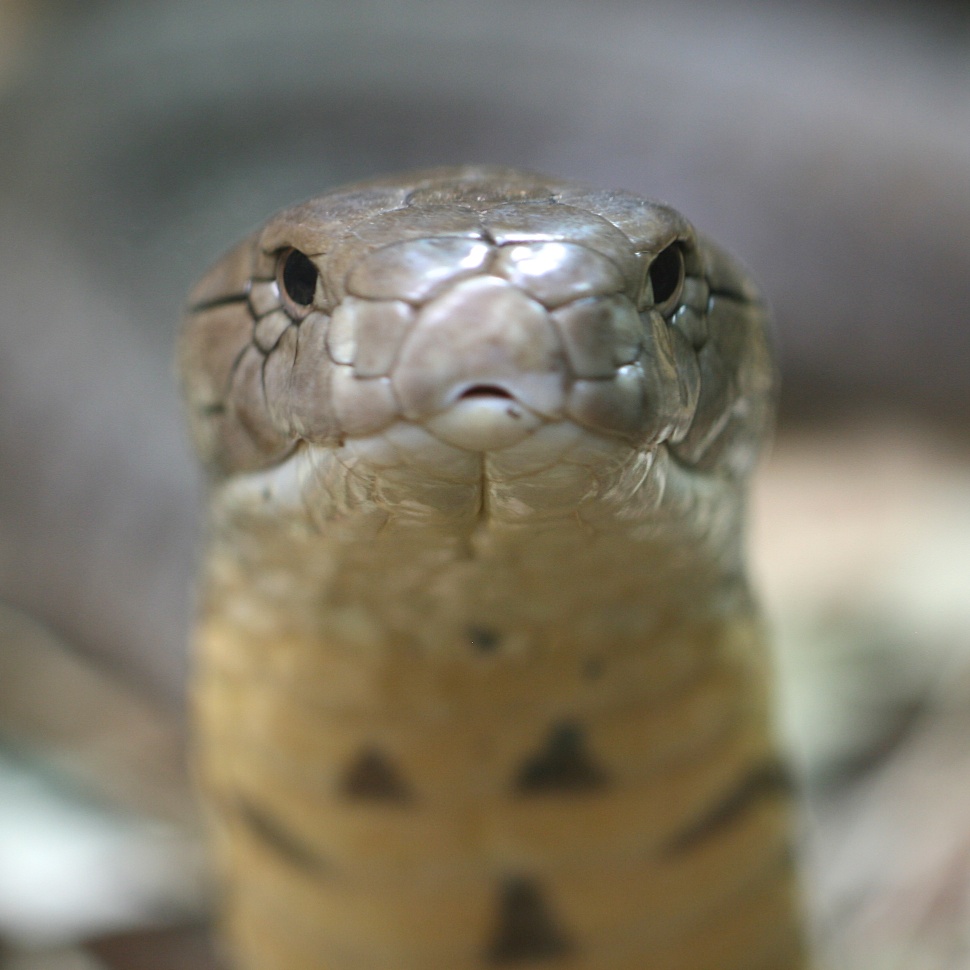
It is a surprisingly common question for homeowners, hikers, and pet owners who witness an unusual encounter with wildlife: can a snake carry or transmit rabies? The quick and definitive scientific answer is no. Rabies is caused by a lyssavirus that relies on specific biological mechanisms present only in warm-blooded mammals. Because snakes are cold-blooded reptiles with fundamentally different body temperatures, immune systems, and cellular structures, the rabies virus cannot reproduce or survive inside them.
The misunderstanding often stems from a general fear of animal bites and defensive wildlife behavior. When people see a snake hissing wildly, twitching nervously, or striking repeatedly, they might associate those sudden erratic movements with the classic neurological symptoms of a rabid mammal. However, these behaviors in snakes are standard defensive displays designed to ward off perceived predators. A threatened snake that is standing its ground or snapping rapidly is not rabid; it is simply panicked and trying to protect itself.
While snakes are completely incapable of carrying rabies, this does not mean a snake bite should be ignored. The primary non-venomous risk associated with any wild snake bite is secondary bacterial infection. A snake's mouth harbors bacteria from its environment and prey, and a puncture wound can introduce these microbes beneath the skin. Proper hygiene, thoroughly cleaning the bite site with soap and warm water, and monitoring for localized inflammation or infection are essential steps following any minor non-venomous break in the skin.
For pet owners, understanding this biological boundary offers peace of mind when a dog or cat corners a snake in the yard. If your pet gets bitten, you do not need to worry about rabies transmission from the reptile. However, pets are far more vulnerable to venomous snake bites or mechanical injuries during an encounter. If a pet is struck by an unidentified snake, observing the animal for swelling, lethargy, pain, or difficulty breathing is far more critical than worrying about mammalian viral diseases.
Misidentifying the source of risk during a unexpected animal sighting often leads to unnecessary panic or improper actions. Knowing that rabies is strictly a mammalian illness allows you to focus on the real factors that matter during a snake encounter, such as assessing whether the animal is venomous and giving it adequate space to move along on its own.
When you spot a snake on your property or along a trail, keeping a calm distance is always the safest strategy for both you and the animal. You can safely snap a photograph from several feet away and upload it to SerpentID, which uses AI pattern recognition to help identify local species and clarify whether the snake is a harmless visitor or a venomous species. If the snake proves to be venomous or is trapped in a living space, contacting local wildlife rescue professionals ensures it is safely relocated without putting anyone in harm's way.